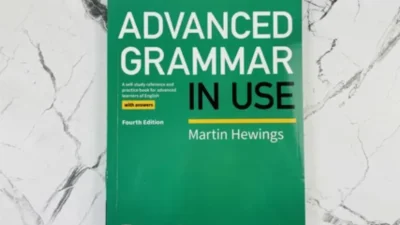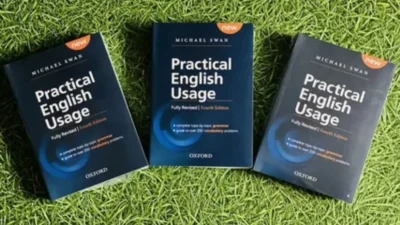
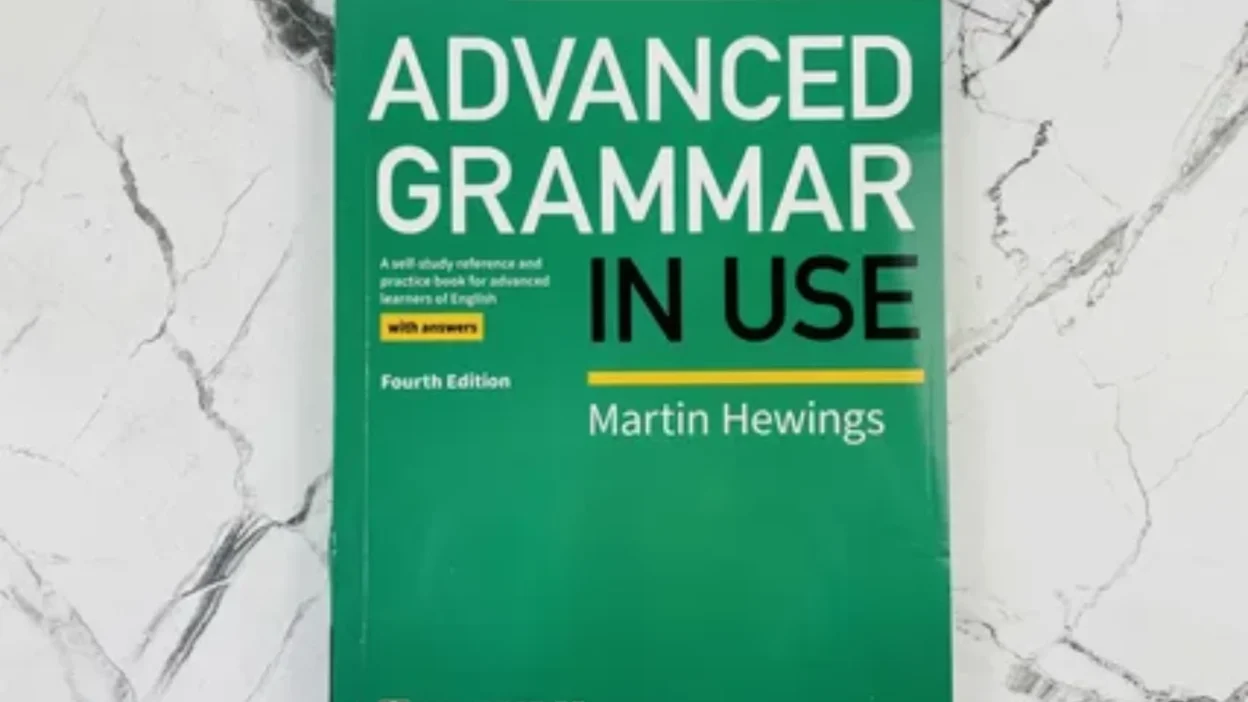
Advanced English grammar often sounds scary, especially for non-native learners. But the truth is simple: advanced English is not about using difficult words—it’s about using the right grammar naturally and correctly.
This guide will help you understand advanced English grammar in a clear, friendly way. You’ll see real-life examples, common mistakes, and practice sentences that make learning easier and more practical.
Whether you want better English for speaking, writing, exams, or work—this guide is for you.
Sorry Generator
What Is Advanced English Grammar?
Advanced English grammar means:
- Using grammar accurately and confidently
- Understanding complex sentence structures
- Speaking and writing in a natural, fluent way
- Avoiding common grammar mistakes that learners make
👉 You don’t need to sound like a professor.
👉 You just need to sound clear, correct, and natural.
Why Advanced English Grammar Matters
Learning advanced English grammar helps you:
- Speak more confidently
- Write professional emails and essays
- Understand native speakers easily
- Score higher in exams (IELTS, TOEFL, etc.)
- Avoid misunderstandings in real life
Example:
❌ If you will study hard, you will pass.
✅ If you study hard, you will pass.
Small grammar changes = big improvement.
Key Features of Advanced English
Advanced English learners usually:
- Use different sentence types
- Control verb tenses well
- Understand tone and meaning
- Use grammar naturally, not mechanically
Let’s break it down step by step.
Advanced Sentence Structures (Easy Explanation)
1. Complex Sentences
Complex sentences join ideas clearly.
Structure:
- Main clause + dependent clause
Example:
- I stayed home because it was raining.
- She continued studying although she was tired.
Common mistake:
❌ Because it was raining. I stayed home.
✅ I stayed home because it was raining.
2. Relative Clauses
Relative clauses add extra information.
Words used:
- who, which, that, where, when
Examples:
- The man who lives next door is a doctor.
- This is the book that I told you about.
Advanced tip:
In informal English, you can remove the relative word:
- The book I told you about is great.
Advanced Verb Tenses (With Real-Life Examples)
1. Present Perfect vs Past Simple
Present Perfect → life experience
Past Simple → finished time
Examples:
- I have visited London. (experience)
- I visited London in 2022. (specific time)
Common mistake:
❌ I have visited London last year.
✅ I visited London last year.
2. Past Perfect (Simple Way)
Use past perfect to show one action happened before another in the past.
Example:
- She had left before I arrived.
- They had finished dinner when I called.
Think: past of the past.
Advanced Modals for Polite & Natural English
Modal verbs make English sound polite and natural.
Common Advanced Modals
| Modal | Meaning | Example |
| might | possibility | It might rain today. |
| could | polite request | Could you help me? |
| should have | past advice | You should have told me. |
| must have | logical guess | He must have forgotten. |
Common mistake:
❌ He must forgot.
✅ He must have forgotten.
Passive Voice (Advanced but Useful)
Passive voice is common in formal and academic English.
Active:
- The company released the report.
Passive:
- The report was released by the company.
When to use passive:
- When the action is more important than the person
- In formal writing
Advanced Conditionals (Made Simple)
Conditionals talk about possibilities and results.
Zero Conditional (Facts)
- If you heat ice, it melts.
First Conditional (Real future)
- If I study, I will pass.
Second Conditional (Unreal present)
- If I were rich, I would travel.
Third Conditional (Past regret)
- If I had studied, I would have passed.
Common mistake:
❌ If I was rich…
✅ If I were rich… (formal/correct)
Advanced English Prepositions (Tricky but Important)
Prepositions change meaning.
Examples:
- Good at (skills)
- Interested in (feelings)
- Responsible for (duty)
Common mistake:
❌ Good in English
✅ Good at English
Advanced Linking Words (Fluent Writing & Speaking)
Linking words improve flow and clarity.
Useful Advanced Connectors
- However
- Therefore
- Although
- In addition
- On the other hand
Example:
- English is difficult. However, regular practice helps.
Common Advanced English Grammar Mistakes
Here are mistakes even intermediate learners make:
- Wrong tense usage
- Missing articles (a, an, the)
- Overusing simple sentences
- Direct translation from native language
- Incorrect prepositions
Tip:
Think in English, not in your native language.
Practice Sentences (Try Yourself)
Fill in the blanks:
- If I _____ known earlier, I would have helped you.
- She must have _____ the message.
- This is the best movie I _____ ever seen.
Answers:
- had
- received
- have
Advanced English Grammar for Speaking
To sound natural:
- Use contractions (I’ve, we’re)
- Use soft modals (might, could)
- Avoid overthinking grammar
- Focus on clarity, not perfection
Natural English example:
- I might be late today.
- Could you give me a minute?
FAQ: Advanced English Grammar (People Also Ask)
What level is advanced English?
Advanced English is usually B2 to C1 level, where learners speak and write confidently with few mistakes.
How can I improve advanced English grammar?
Practice daily, read English content, write short texts, and review common grammar mistakes.
Is advanced English grammar hard?
No. It becomes easy when learned step by step with real examples.
How long does it take to master advanced English?
With regular practice, most learners improve significantly in 6–12 months.
Do I need advanced grammar to speak fluently?
You need clear grammar, not perfect grammar. Advanced grammar improves accuracy and confidence.
Quick Summary: Key Takeaways
- Advanced English grammar is about clarity and correctness
- Focus on sentence structure, verb tenses, and modals
- Learn from mistakes and real-life examples
- Practice speaking and writing regularly
- Don’t aim for perfection—aim for progress
Final Thoughts & Next Steps
Advanced English grammar is not magic—it’s practice. Start small, stay consistent, and don’t be afraid to make mistakes.