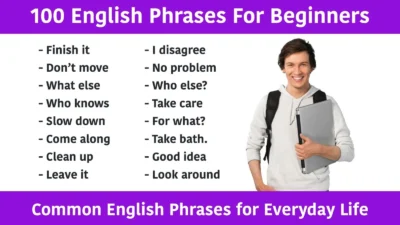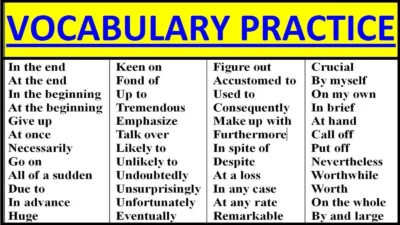
Learning English common phrases is one of the fastest ways to improve your speaking, listening, and confidence. You don’t need perfect grammar to communicate well — you need the right phrases used in daily life.
This guide is written for beginner to intermediate learners, especially non-native speakers. Everything is explained in simple, clear English, with real-life examples and common mistakes to avoid.
Sorry Generator
What Are English Common Phrases?
English common phrases are short groups of words that native speakers use again and again in everyday situations.
They are not single words.
They are ready-made expressions like:
- How are you?
- Nice to meet you
- Could you help me?
- That makes sense
Native speakers use these phrases naturally — at home, at work, online, and while traveling.
Why Learning English Common Phrases Is Important
Learning grammar is useful, but learning common phrases helps you:
- Speak more naturally
- Understand native speakers faster
- Avoid awkward or rude sentences
- Communicate even with limited vocabulary
Real-Life Example
❌ Incorrect but grammatical:
I request you to give me information.
✅ Natural common phrase:
Could you please tell me?
The second sentence sounds polite, natural, and confident.
English Common Phrases for Daily Use
Below are the most useful English common phrases grouped by situation.
Common English Phrases for Greetings (H2)
These phrases are used when you meet someone.
Basic Greetings
- Hello
- Hi
- Hey (informal)
- Good morning
- Good afternoon
- Good evening
Polite Greeting Phrases
- How are you?
- How’s it going?
- How have you been?
- Nice to meet you
- Nice to see you again
Example Sentences
- Hello! How are you today?
- Hi, nice to meet you.
- Good morning, hope you’re doing well.
Common Mistakes
❌ Saying “Good night” as a greeting
✅ Use “Good night” only when leaving or sleeping
English Common Phrases for Daily Conversations (H2)
These phrases help you continue a conversation naturally.
Useful Daily Phrases
- What’s going on?
- That sounds good
- I think so
- I don’t think so
- Maybe
- I’m not sure
- It depends
Example Sentences
- That sounds good to me.
- I’m not sure about that.
- It depends on the situation.
English Common Phrases for Polite Communication (H2)
Politeness is very important in English.
Polite Phrases You Must Know
- Please
- Thank you
- Thanks a lot
- You’re welcome
- Excuse me
- Sorry
Polite Requests
- Could you help me?
- Can you please explain?
- Would you mind helping me?
Example Block (Featured Snippet Style)
How to ask politely in English?
Use phrases like please, could you, and would you mind to sound polite and respectful.
English Common Phrases for Asking Questions (H2)
Questions help you learn and communicate better.
Common Question Phrases
- What do you mean?
- Can you repeat that?
- How does this work?
- What’s the difference?
- Is that correct?
Example Sentences
- Sorry, can you repeat that?
- What do you mean by this word?
- How does this work exactly?
English Common Phrases for Giving Opinions (H2)
Use these phrases to share your thoughts.
Opinion Phrases
- I think…
- I believe…
- In my opinion…
- From my point of view…
- I agree
- I disagree
Example Sentences
- I think this is a good idea.
- In my opinion, learning phrases is helpful.
- I agree with you.
English Common Phrases for Work and Study (H2)
These phrases are useful in offices, schools, and online meetings.
Work & Study Phrases
- Let’s get started
- Any questions?
- I’ll get back to you
- Please let me know
- As soon as possible
- That’s clear
Example Sentences
- I’ll get back to you tomorrow.
- Please let me know if you need help.
- Any questions before we continue?
English Common Phrases for Problems and Mistakes (H2)
Everyone makes mistakes. These phrases help you handle them politely.
Helpful Phrases
- I’m sorry
- My mistake
- That’s my fault
- No problem
- It’s okay
- Don’t worry about it
Example Sentences
- Sorry, that was my mistake.
- No problem, it happens.
- Don’t worry about it.
Common Mistakes Learners Make with English Phrases
Mistake 1: Translating Word by Word
❌ I am agree
✅ I agree
Mistake 2: Using Too Formal Language
❌ I request your assistance
✅ Could you help me?
Mistake 3: Overusing One Phrase
Using “How are you?” in every sentence feels unnatural.
Try alternatives like:
- How’s everything?
- How are things?
Practice Section: Use These English Common Phrases
Try completing these sentences:
- _________ you please help me?
- That _________ good.
- I’m _________ sure.
- Can you _________ that again?
Answers:
- Could
- sounds
- not
- repeat
FAQ: English Common Phrases (Schema-Ready)
What are English common phrases?
English common phrases are frequently used expressions that help people communicate naturally in everyday situations.
How many English phrases should beginners learn?
Beginners should start with 100–300 common phrases to handle basic conversations confidently.
Are English common phrases better than grammar rules?
Both are important, but common phrases help you speak faster and more naturally, especially in real-life situations.
How can I remember English common phrases easily?
Practice them daily, use them in sentences, speak aloud, and listen to native English conversations.
Can I speak English fluently by learning phrases?
Learning phrases helps a lot, but fluency also needs listening practice, vocabulary, and regular speaking.
Key Takeaways: English Common Phrases
- English common phrases are essential for daily communication
- They help you sound natural and confident
- Focus on meaning, not translation
- Practice phrases in real-life sentences
- Avoid overthinking grammar when speaking
Final Thoughts
Learning English common phrases is one of the smartest ways to improve your English in 2026. Start small, practice daily, and use phrases in real conversations — even simple ones.