Sorry Generator
English Comprehension: A Beginner-Friendly Guide
English comprehension means understanding what you read or hear in English. It is not only about knowing words. It is about understanding meaning, ideas, feelings, and context.
For beginners and intermediate learners, English comprehension can feel difficult. Long sentences, new words, and fast conversations often cause confusion. But don’t worry — with the right methods, anyone can improve.
In this guide, you will learn:
- What English comprehension really is
- Why it is important
- Easy techniques to improve it
- Real-life examples and practice sentences
- Common mistakes learners make
This article is written in simple, clear English, especially for non-native learners.
What Is English Comprehension?
English comprehension is the ability to:
- Understand written English (reading comprehension)
- Understand spoken English (listening comprehension)
It involves:
- Vocabulary knowledge
- Grammar understanding
- Sentence structure awareness
- Context and meaning
Simple Example
Sentence:
She didn’t go to work because she was sick.
Comprehension means you understand:
- Who? → She
- Action? → Didn’t go to work
- Reason? → She was sick
If you understand all this, your comprehension is working.
Why Is English Comprehension Important?
English comprehension is the foundation of all language skills.
Without good comprehension:
- You cannot answer questions correctly
- You cannot follow instructions
- You cannot enjoy reading or conversations
Real-Life Situations
- Understanding exam questions
- Following teacher instructions
- Watching English videos
- Reading emails or messages
- Talking to people confidently
Strong comprehension makes learning English faster and easier.
Types of English Comprehension
1. Reading Comprehension
Understanding written text such as:
- Stories
- Articles
- Emails
- Exam passages
2. Listening Comprehension
Understanding spoken English such as:
- Conversations
- Lectures
- Videos
- Phone calls
Both types support each other.
Key Skills Needed for English Comprehension
Vocabulary
You need to understand words to understand sentences.
Example:
The weather is gloomy.
If you don’t know gloomy, comprehension breaks.
Grammar
Grammar helps you understand time, actions, and meaning.
Example:
- She eats → present
- She ate → past
Context
Sometimes words change meaning by situation.
Example:
He is cool.
- Cool weather ❄️
- Cool person 😎
Context decides meaning.
Easy Techniques to Improve English Comprehension
1. Read Short and Simple Texts
Start small:
- Short paragraphs
- Easy stories
- Simple news
Do not start with difficult books.
2. Listen Daily
Even 10–15 minutes helps:
- English YouTube videos
- Podcasts for beginners
- English conversations
Focus on meaning, not every word.
3. Read and Listen Together
Read while listening to audio.
This improves pronunciation and understanding.
4. Guess Meaning from Context
Do not stop for every new word.
Example:
He was exhausted after work.
Even if you don’t know exhausted, you can guess:
- After work → tired
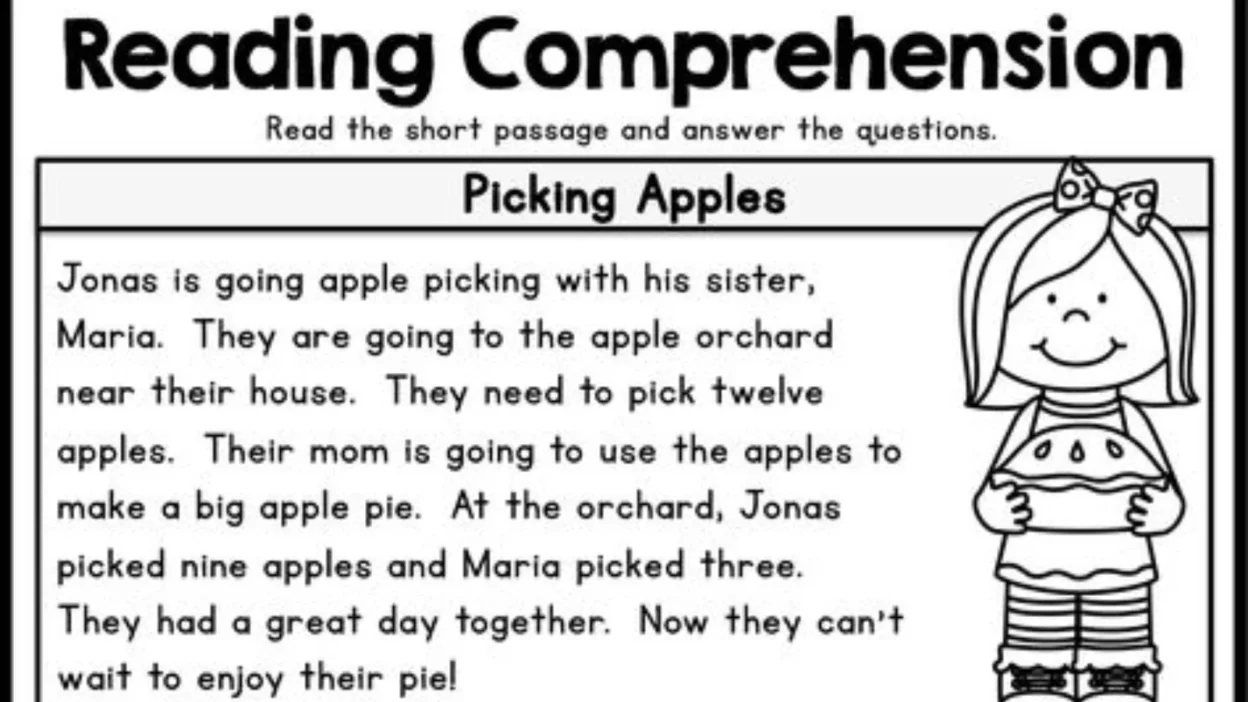
English Comprehension Example (Featured Snippet Style)
Text:
Ali woke up late. He missed the bus, so he walked to school. He arrived tired but happy.
Questions & Answers:
- Why did Ali walk to school?
→ He missed the bus. - How did he feel at the end?
→ Tired but happy.
This is basic English comprehension.
Practice Sentences for Beginners
Read and understand the meaning.
- She is cooking dinner in the kitchen.
- The children are playing outside.
- He forgot his keys at home.
- They are waiting for the teacher.
- It started raining in the evening.
Try to answer:
- Who?
- What happened?
- Where?
- When?
Common English Comprehension Mistakes
Mistake 1: Translating Every Word
Word-by-word translation slows learning.
Wrong habit:
English → Native language → Meaning
Better habit:
English → Meaning
Mistake 2: Ignoring Grammar
Grammar helps you understand time and action.
Example:
- I am eating → now
- I ate → past
Ignoring grammar causes confusion.
Mistake 3: Reading Too Fast
Speed without understanding is useless.
Slow reading = better comprehension.
Mistake 4: Fear of New Words
New words are normal.
Learn them slowly and naturally.
Simple Reading Strategy (Step-by-Step)
- Read the text once (general idea)
- Read again (details)
- Answer basic questions
- Check unknown words
This method works well for exams and self-study.
Listening Comprehension Tips
- Listen for main ideas, not every word
- Focus on keywords
- Replay difficult parts
- Use subtitles only if needed
Example
The train was delayed because of heavy rain.
Key idea:
- Train delayed
- Reason: heavy rain
English Comprehension Table (Quick Help)
| Skill | What to Do |
| Reading | Read daily, short texts |
| Listening | Listen slowly, repeat |
| Vocabulary | Learn words in sentences |
| Grammar | Understand basic tenses |
| Practice | Answer simple questions |
How Long Does It Take to Improve English Comprehension?
It depends on:
- Practice time
- Learning method
- Exposure to English
Good news:
With daily practice, beginners see improvement in 4–8 weeks.
FAQ: English Comprehension (People Also Ask)
What is English comprehension in simple words?
English comprehension means understanding what you read or hear in English.
How can beginners improve English comprehension?
Beginners should read easy texts, listen daily, learn basic grammar, and practice understanding meaning instead of translating.
Is vocabulary important for English comprehension?
Yes. Vocabulary is very important because words carry meaning.
How can I practice English comprehension at home?
You can read short stories, listen to English videos, answer questions, and practice daily for 15–20 minutes.
Why do I understand English slowly?
This happens because of limited vocabulary, lack of practice, or translating every word. With regular practice, speed improves.
Key Takeaways: English Comprehension
- English comprehension means understanding meaning, not just words
- Reading and listening both matter
- Start with simple content
- Do not translate word by word
- Practice daily with patience
Final Words
Improving English comprehension is possible for everyone. You don’t need perfect grammar or advanced vocabulary. You need consistent practice, simple methods, and confidence.