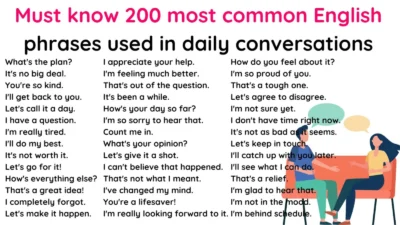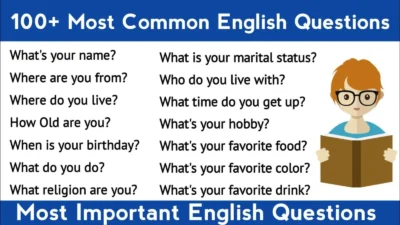


English daily conversation is the most important skill for learners who want to speak English confidently in real life. Whether you are talking to friends, colleagues, shopkeepers, or classmates, daily conversation helps you express your thoughts clearly and naturally.
This guide is written in simple, clear English for beginner to intermediate learners. You will learn how English is actually spoken every day, not just textbook rules. You will also see real-life examples, common mistakes, and easy practice sentences you can use immediately.
Sorry Generator
What Is English Daily Conversation?
English daily conversation means the English we use in normal, everyday situations such as:
- Greeting people
- Asking questions
- Talking about routine life
- Shopping and ordering food
- Making small talk
- Ending conversations politely
It is usually:
- Simple
- Natural
- Friendly
- Context-based
Daily conversation English is different from formal or academic English. The focus is on clear communication, not perfect grammar.
Why Is English Daily Conversation Important?
Learning English daily conversation helps you:
- Speak confidently without fear
- Understand native and non-native speakers
- Improve listening and speaking together
- Use English in real-life situations
- Prepare for travel, jobs, and interviews
Many learners know grammar but cannot speak. Daily conversation practice bridges this gap.
Basic English Daily Conversation for Beginners
1. Greetings and Introductions
Greetings are the first step in any conversation.
Common greetings:
- Hello
- Hi
- Good morning
- Good afternoon
- Good evening
Introducing yourself:
- My name is Ali.
- I’m Sara.
- Nice to meet you.
Example conversation:
A: Hello! How are you?
B: Hi! I’m fine, thank you. And you?
A: I’m good too.
Common mistake:
❌ How you are?
✅ How are you?
2. Asking Simple Questions
Questions help keep the conversation going.
Daily conversation questions:
- How are you?
- Where are you from?
- What do you do?
- What are you doing?
Examples:
- Where are you from?
- I’m from Pakistan.
- What do you do?
- I’m a student.
Tip:
Use a friendly tone. Even simple questions sound better when spoken politely.
English Daily Conversation for Routine Life
3. Talking About Daily Activities
Talking about routine life is very common.
Useful sentences:
- I wake up early.
- I go to work at 9 a.m.
- I study English every day.
- I watch TV in the evening.
Example:
I usually wake up at 6 a.m. Then I have breakfast and go to work.
Common mistake:
❌ I am go to office.
✅ I go to the office.
4. Talking About Likes and Dislikes
This is a common topic in daily English conversation.
Likes:
- I like tea.
- I love music.
- I enjoy reading books.
Dislikes:
- I don’t like coffee.
- I hate noise.
Example conversation:
A: Do you like tea?
B: Yes, I love it.
English Daily Conversation in Social Situations
5. Making Small Talk
Small talk is short, friendly conversation.
Common small talk topics:
- Weather
- Work or study
- Travel
- Hobbies
Examples:
- The weather is nice today.
- Are you busy these days?
- What do you do in your free time?
Example dialogue:
A: Nice weather today, isn’t it?
B: Yes, it’s lovely.
6. Talking About Family and Friends
Useful sentences:
- I have two brothers.
- My family lives in Lahore.
- My friend is very kind.
Example:
I live with my family. My parents are very supportive.
English Daily Conversation for Shopping and Eating
7. Shopping Conversation
Useful phrases:
- How much is this?
- It’s too expensive.
- Do you have a smaller size?
- I’ll take it.
Example conversation:
Customer: How much is this shirt?
Shopkeeper: It’s 2,000 rupees.
Customer: Okay, I’ll take it.
8. Ordering Food
Useful sentences:
- Can I see the menu?
- I’d like tea, please.
- Anything else?
- That’s all, thank you.
Common mistake:
❌ I want tea. (sounds rude)
✅ I’d like tea, please.
Polite English Daily Conversation
9. Using Polite Words
Politeness is very important in English daily conversation.
Polite words:
- Please
- Thank you
- Sorry
- Excuse me
Examples:
- Please help me.
- Thank you very much.
- Sorry for being late.
10. Ending a Conversation Politely
Common closing sentences:
- Nice talking to you.
- See you later.
- Take care.
- Have a nice day.
Common Mistakes in English Daily Conversation
Here are mistakes many learners make:
| Mistake | Correct Form |
| How you are? | How are you? |
| I am agree | I agree |
| He go to work | He goes to work |
| She don’t like tea | She doesn’t like tea |
Tip:
Don’t worry about mistakes. Focus on communication first.
Practice Sentences for English Daily Conversation
Try saying these aloud:
- How was your day?
- I’m learning English daily conversation.
- Can you help me, please?
- What time is it?
- Let’s meet tomorrow.
English Daily Conversation for Beginners (Quick Examples)
At work:
A: Are you busy?
B: A little, but I can talk.
With friends:
A: What are you doing tonight?
B: I’m staying at home.
How to Improve English Daily Conversation Fast
- Practice speaking every day
- Think in English
- Use simple sentences
- Listen to real conversations
- Don’t translate word by word
Consistency is more important than perfection.
FAQ: English Daily Conversation (People Also Ask)
What is English daily conversation?
English daily conversation is simple English used in everyday life for talking, asking questions, and social interaction.
How can I improve my daily English conversation?
Practice speaking daily, use common phrases, listen to native speakers, and don’t fear mistakes.
Is grammar important in daily conversation?
Basic grammar helps, but clear communication is more important than perfect grammar.
Can beginners learn English daily conversation?
Yes. Beginners can start with simple sentences and slowly improve with practice.
How long does it take to speak daily English?
With daily practice, most learners see improvement in a few months.
Key Takeaways
- English daily conversation focuses on real-life communication
- Simple sentences are better than complex grammar
- Practice regularly to build confidence
- Politeness and tone matter
- Mistakes are part of learning
Final Words
Learning English daily conversation is one of the best decisions you can make for personal and professional growth. Start small, practice every day, and speak without fear.