
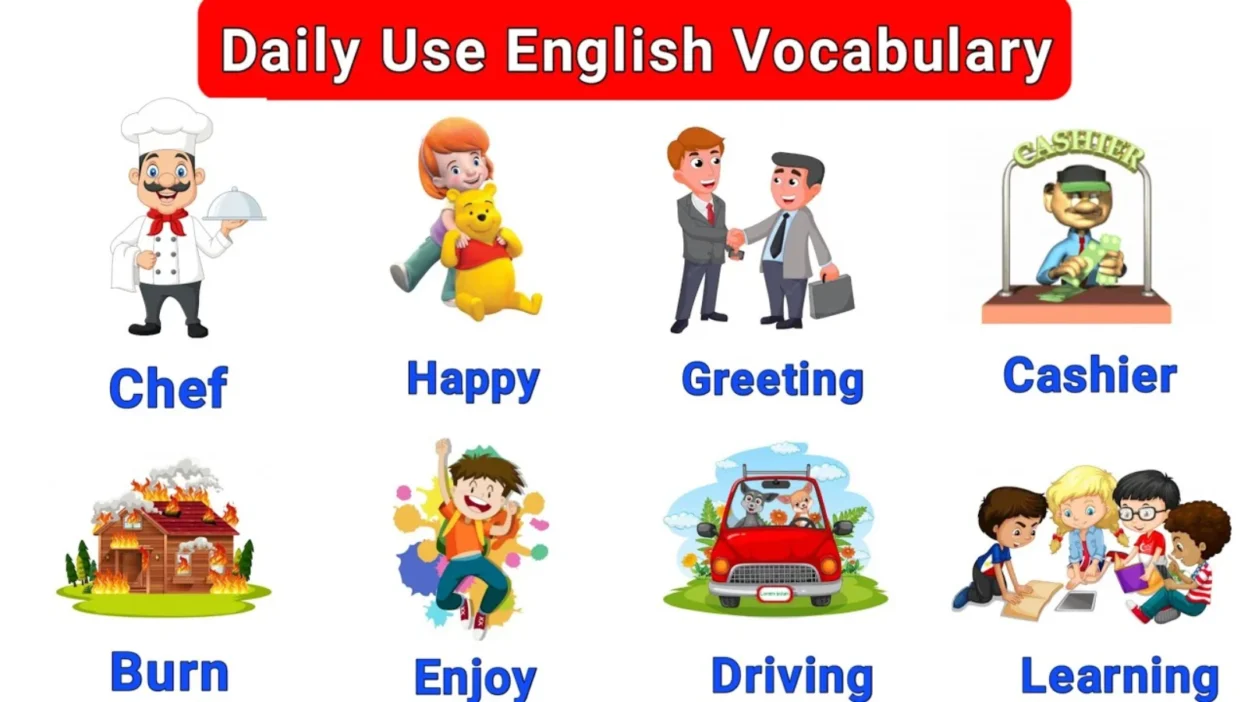
English daily use vocabulary is the foundation of clear and confident communication. If you know the right everyday words, you can speak, listen, read, and write English more naturally—without feeling stuck or confused.
This guide is specially written for beginner to intermediate learners. The language is simple, explanations are clear, and examples are practical. Whether you are learning English for study, work, travel, or daily conversation, this article will help you build strong vocabulary step by step.
Sorry Generator
What Is English Daily Use Vocabulary?
English daily use vocabulary means the common words and phrases people use in everyday life. These words appear in:
- Daily conversations
- Office and school talk
- Social media and messages
- News, TV shows, and movies
- Real-life situations like shopping, travel, and phone calls
Unlike advanced or academic words, daily use vocabulary is simple, practical, and frequently used.
Example
- ❌ Advanced: I am experiencing considerable fatigue.
- ✅ Daily use: I am very tired.
Why English Daily Use Vocabulary Is Important
Learning daily use vocabulary helps you:
- Speak English confidently without fear
- Understand native speakers more easily
- Avoid long pauses while speaking
- Improve fluency naturally
- Sound more natural and polite
Real-Life Situation
Imagine you are at a shop.
- ❌ Wrong or confusing: I require the cost of this item.
- ✅ Correct and natural: How much is this?
That’s the power of daily use vocabulary.
How to Learn English Daily Use Vocabulary Effectively
Learning words alone is not enough. You must use them in context.
Best Learning Tips
- Learn words with sentences, not lists
- Practice speaking daily, even for 5 minutes
- Read simple English stories or dialogues
- Listen to real conversations (videos, podcasts)
- Repeat words out loud
Common English Daily Use Vocabulary (With Examples)
Below are commonly used daily words grouped by situation.
Daily Use Vocabulary for Greetings and Polite Talk
These words are used every day when meeting or talking to people.
Common Words and Phrases
- Hello
- Hi
- Good morning
- Good afternoon
- Good evening
- How are you?
- I’m fine
- Nice to meet you
- Thank you
- You’re welcome
Example Sentences
- Hello, how are you today?
- Nice to meet you. My name is Ali.
- Thank you for your help.
Common Mistake
❌ How you are?
✅ How are you?
English Daily Use Vocabulary for Home and Family
These words help you talk about your daily routine at home.
Common Words
- Family
- Parents
- Children
- House
- Room
- Kitchen
- Sleep
- Eat
- Cook
- Clean
Example Sentences
- I live with my family.
- My mother is cooking dinner.
- I clean my room every day.
Daily Use Vocabulary for Work and Office
These words are useful for jobs, offices, and professional talk.
Common Words
- Work
- Job
- Office
- Meeting
- Manager
- Team
- Task
- Deadline
- Report
Example Sentences
- I work in an office.
- We have a meeting at 10 a.m.
- Please send me the email.
English Daily Use Vocabulary for Shopping
Shopping is a common real-life situation where simple English matters.
Common Words
- Buy
- Sell
- Price
- Cheap
- Expensive
- Discount
- Shop
- Market
- Cash
- Card
Example Sentences
- I want to buy this shirt.
- This is too expensive.
- Do you accept cards?
Daily Use Vocabulary for Travel and Directions
These words help when traveling or asking for help.
Common Words
- Travel
- Bus
- Train
- Taxi
- Hotel
- Ticket
- Road
- Left
- Right
- Near
Example Sentences
- Where is the bus stop?
- Turn left at the corner.
- The hotel is near the station.
Common Daily Use Verbs in English
Verbs are action words and are very important in daily English.
Most Used Verbs
- Go
- Come
- Eat
- Drink
- See
- Talk
- Make
- Do
- Take
- Give
Example Sentences
- I go to work every day.
- She is talking on the phone.
- Please take this book.
Daily Use Vocabulary for Feelings and Emotions
These words help you express how you feel.
Common Words
- Happy
- Sad
- Angry
- Tired
- Excited
- Nervous
- Afraid
- Relaxed
Example Sentences
- I am very happy today.
- He feels tired after work.
- She is excited about the trip.
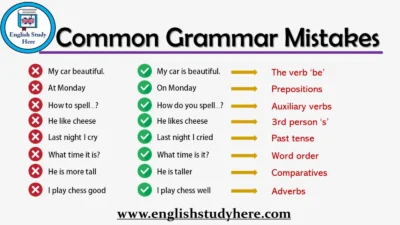
Common Mistakes Learners Make (And How to Fix Them)
Mistake 1: Direct Translation
❌ I am agree with you.
✅ I agree with you.
Mistake 2: Wrong Verb Form
❌ He go to school.
✅ He goes to school.
Mistake 3: Using Big Words Instead of Simple Words
❌ I desire to consume food.
✅ I want to eat.
Simple English is better English.
Practice Sentences (Try Yourself)
Fill in the blanks:
- I ___ to the office every morning.
- This bag is too ___.
- Can you ___ me the way?
- I am ___ because I worked all day.
Answers:
- go
- expensive
- show / tell
- tired
English Daily Use Vocabulary for Speaking Fluently
To speak fluently, focus on:
- Short sentences
- Common words
- Natural expressions
Example Conversation
A: Hi, how are you?
B: I’m fine. How about you?
A: I’m good. Where are you going?
B: I’m going to work.
Simple, clear, and natural.
FAQ: English Daily Use Vocabulary (People Also Ask)
What is English daily use vocabulary?
English daily use vocabulary includes common words and phrases used in everyday conversation, work, and daily life.
How many daily use English words should I learn?
Start with 500–1000 common words. This is enough for basic communication.
Is daily use vocabulary enough to speak English?
Yes, for daily conversation. You can add advanced words later.
How can I remember daily use vocabulary?
Use words in sentences, speak daily, and practice in real situations.
Is daily use vocabulary good for beginners?
Yes, it is the best starting point for beginners.
Key Takeaways: English Daily Use Vocabulary
- Daily use vocabulary is essential for fluent English
- Simple words are more powerful than difficult words
- Learn words with examples, not alone
- Practice speaking every day
- Avoid common grammar and translation mistakes
Final Thoughts (Soft CTA)
Learning English daily use vocabulary is the smartest way to improve your English quickly and naturally. Start using these words in your daily life—at home, at work, and with friends.