
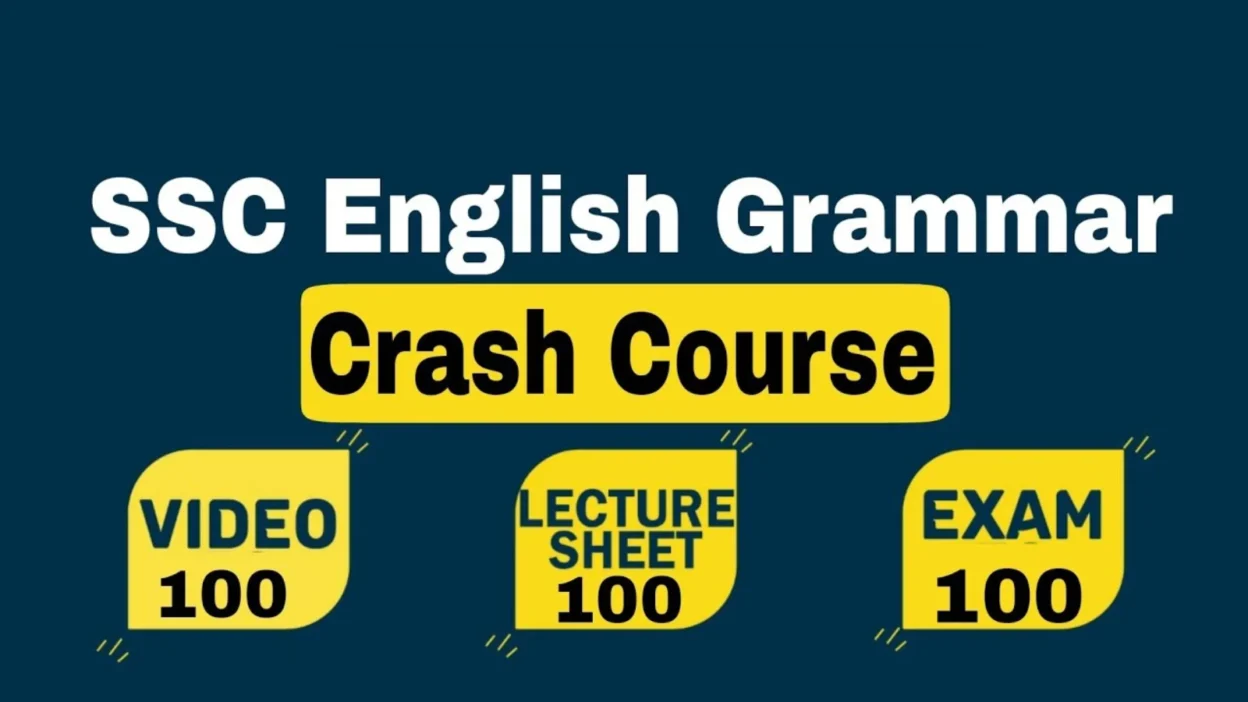
English grammar for SSC is one of the most important areas for students preparing for SSC exams, school tests, and competitive exams. Many learners feel grammar is difficult, but the truth is: grammar becomes easy when explained simply and practiced correctly.
This guide is written especially for beginner to intermediate learners. The language is simple, examples are practical, and every topic is explained like a teacher in a classroom. By the end, you’ll understand how grammar works—and how to use it confidently in exams and real life.
Sorry Generator
What Is English Grammar for SSC?
English grammar for SSC refers to the basic and core grammar rules that SSC students must understand to:
- Write correct English
- Speak clearly and confidently
- Score higher marks in exams
- Avoid common grammatical mistakes
It includes topics like:
- Parts of speech
- Tenses
- Subject-verb agreement
- Articles
- Active and passive voice
- Narration
- Sentence structure
Why English Grammar Is Important for SSC Students
Grammar is not just an exam topic. It is the foundation of the English language.
Grammar helps you:
- Understand questions correctly
- Write accurate answers
- Improve reading comprehension
- Speak fluent English
- Avoid silly mistakes that reduce marks
In SSC exams, grammar questions often appear in:
- MCQs
- Fill in the blanks
- Sentence correction
- Translation
- Essay and letter writing
Parts of Speech (The Building Blocks)
Parts of speech tell us how a word works in a sentence.
1. Noun
A noun is the name of a person, place, thing, or idea.
Examples:
- Ali is a student.
- Lahore is a big city.
- Honesty is the best policy.
2. Pronoun
A pronoun is used instead of a noun.
Examples:
- Sara is my friend. She is kind.
- This book is mine.
3. Verb
A verb shows action or state.
Examples:
- He runs fast.
- She is happy.
4. Adjective
An adjective describes a noun.
Examples:
- A tall boy
- A beautiful flower
5. Adverb
An adverb describes a verb, adjective, or another adverb.
Examples:
- He speaks clearly.
- She is very smart.
6. Preposition
A preposition shows relation.
Examples:
- The book is on the table.
- He went to school.
Tenses in English Grammar for SSC
Tenses show time of action. SSC exams focus mainly on Present, Past, and Future.
Present Tense
Simple Present
Used for:
- Daily routines
- Facts
Structure:
Subject + base verb (+ s/es)
Examples:
- I play cricket.
- She plays cricket.
Common Mistake:
❌ She play cricket
✅ She plays cricket
Past Tense
Simple Past
Used for actions completed in the past.
Structure:
Subject + verb (past form)
Examples:
- He went to school yesterday.
- They won the match.
Future Tense
Simple Future
Used for future actions.
Structure:
Subject + will + base verb
Examples:
- I will help you.
- She will come tomorrow.
Subject-Verb Agreement (Very Important)
The verb must match the subject.
Basic Rule:
- Singular subject → singular verb
- Plural subject → plural verb
Examples:
- He likes tea.
- They like tea.
Common Mistakes:
- ❌ He like tea
- ❌ They likes tea
Articles: A, An, The
Articles are small words but very important.
A / An
Used with singular countable nouns.
- A → before consonant sounds
- An → before vowel sounds
Examples:
- A boy
- An apple
- An honest man
The
Used for:
- Specific things
- Unique objects
Examples:
- The sun rises in the east.
- The teacher is absent today.
Sentence Structure (Word Order)
Correct sentence order is essential in English grammar for SSC.
Basic Structure:
Subject + Verb + Object
Examples:
- She reads a book.
- He writes a letter.
Incorrect:
- ❌ Reads she a book
Active and Passive Voice
Active Voice
The subject does the action.
Example:
- Ali writes a letter.
Passive Voice
The subject receives the action.
Example:
- A letter is written by Ali.
SSC Tip:
Learn how to change active to passive—this is a common exam question.
Direct and Indirect Speech (Narration)
Direct Speech
The speaker’s exact words.
Example:
- He said, “I am tired.”
Indirect Speech
The meaning without exact words.
Example:
- He said that he was tired.
Common Grammar Mistakes SSC Students Make
| Mistake | Correct Form |
| He don’t like tea | He doesn’t like tea |
| She is more better | She is better |
| I am agree | I agree |
| He did not went | He did not go |
Practice Sentences (Try Yourself)
- She ___ (go/goes) to school daily.
- They ___ (is/are) playing football.
- An honest man ___ (is/are) respected.
Answers:
- goes
- are
- is
English Grammar for SSC: Exam Preparation Tips
- Study grammar daily for 20–30 minutes
- Practice with past papers
- Learn rules with examples
- Write short sentences every day
- Revise common mistakes
Frequently Asked Questions (FAQ)
What is the best way to learn English grammar for SSC?
Start with basic rules, practice daily, and learn from examples instead of memorizing definitions.
Is English grammar difficult for SSC students?
No. Grammar becomes easy when explained simply and practiced regularly.
How many grammar topics are important for SSC exams?
Main topics include tenses, parts of speech, articles, narration, voice, and sentence correction.
Can I improve grammar without tuition?
Yes. With the right guidance, practice, and consistency, self-study is enough.
How much time is needed to master grammar?
With daily practice, basic grammar can improve within 2–3 months.
Key Takeaways
- English grammar for SSC is the foundation of exam success
- Learn rules with real-life examples
- Avoid common mistakes
- Practice regularly
- Focus on understanding, not cramming
Final Words
English grammar is not about fear—it’s about clarity and confidence. When you understand the rules, English becomes simple and enjoyable. Start with small steps, practice daily, and you will see real improvement.