Sorry Generator
Introduction: Why English Phrases Matter in Real Life
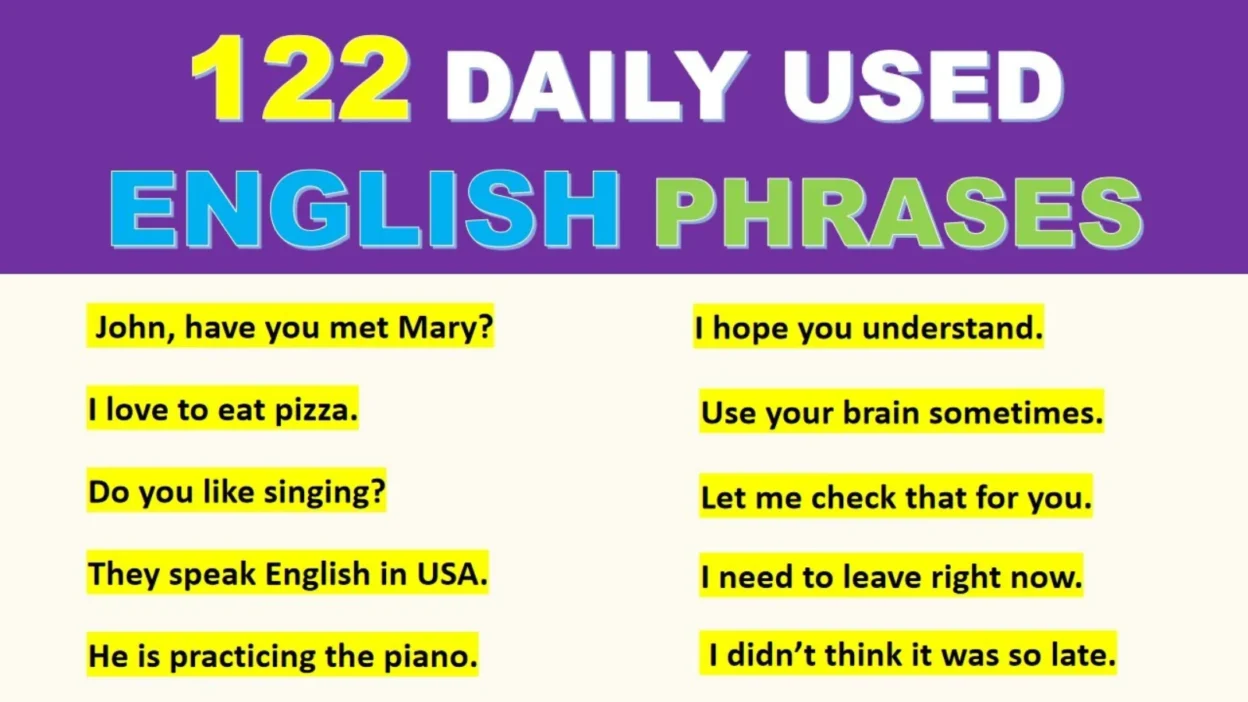
English phrases are short groups of words that native speakers use naturally in daily conversations. Learning English phrases is one of the fastest ways to improve speaking, listening, and confidence.
Instead of memorizing long grammar rules, phrases help you:
- Speak more fluently
- Understand movies, videos, and real conversations
- Sound natural, not robotic
This guide is written for beginner to intermediate learners. The language is simple, clear, and practical. You will find real-life examples, practice sentences, and common mistakes to avoid.
What Are English Phrases? (Simple Explanation)
English phrases are small word groups that work together to express an idea, but they are not complete sentences.
Examples:
- Good morning
- In a hurry
- By the way
- At the moment
They are used in:
- Daily conversation
- Emails and messages
- Work and school situations
Common English Phrases for Daily Use
Below are the most useful English phrases that learners use every day.
English Phrases for Greetings and Introductions
These phrases are used when you meet someone.
Common Phrases:
- Good morning
- Good afternoon
- Nice to meet you
- How are you?
- How’s it going?
Real-Life Examples:
- Good morning, teacher.
- Nice to meet you, I’m Ali.
- How’s it going? Everything okay?
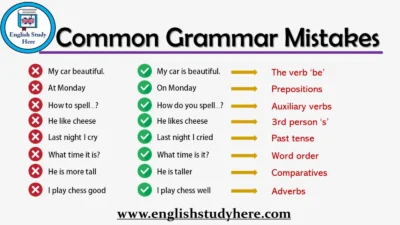
Common Mistake ❌
❌ How you are?
✅ How are you?
English Phrases for Daily Conversations
These phrases help you continue conversations naturally.
Useful Phrases:
- By the way
- I think so
- I don’t think so
- As far as I know
- At the moment
Examples:
- By the way, where are you from?
- At the moment, I’m busy.
- As far as I know, the shop is closed.
English Phrases for Asking Questions
Asking questions correctly is very important in English.
Common Question Phrases:
- Can you help me?
- Could you please explain?
- What do you mean?
- How does it work?
Examples:
- Can you help me with this form?
- What do you mean by that word?
English Phrases for Polite Requests
Politeness makes your English sound respectful and natural.
Polite Phrases:
- Please
- Thank you
- You’re welcome
- Excuse me
- Sorry to bother you
Examples:
- Excuse me, can you repeat that?
- Sorry to bother you, but I need help.
Common Mistake ❌
❌ Give me water
✅ Please give me some water
English Phrases for Agreeing and Disagreeing
These phrases help you share opinions politely.
Agreeing:
- I agree
- That’s right
- Exactly
- You’re right
Disagreeing:
- I don’t agree
- I’m not sure
- I think differently
- Maybe, but…
Examples:
- I agree with you.
- I’m not sure, but I think it’s expensive.
English Phrases for Expressing Feelings
Use these phrases to talk about emotions.
Feeling Phrases:
- I’m happy
- I’m tired
- I’m excited
- I’m worried
- I feel sad
Examples:
- I’m excited about my exam result.
- I’m tired after work.
English Phrases for Work and Study
These phrases are common in offices and schools.
Useful Phrases:
- Let me know
- I’ll get back to you
- As soon as possible
- In my opinion
- According to the rules
Examples:
- I’ll get back to you tomorrow.
- In my opinion, this answer is correct.
English Phrases for Time and Frequency
Talking about time is very common in daily English.
Time Phrases:
- Right now
- At the moment
- From time to time
- Every day
- Once in a while
Examples:
- Right now, I’m studying English.
- I visit my friends once in a while.
Practice Sentences (Try Yourself)
Fill in the blanks:
- _________, can you help me?
- I’m busy _________.
- _________, I think you are right.
- Nice _________ you.
Answers:
- Excuse me
- at the moment
- In my opinion
- to meet
Common Mistakes Learners Make with English Phrases
1. Translating Directly from Native Language
❌ I am agree
✅ I agree
2. Using Phrases in Wrong Situations
❌ Saying What’s up? in formal meetings
✅ Use How are you?
3. Overusing One Phrase
❌ Always saying very good
✅ Use great, excellent, nice
English Phrases vs Full Sentences (Quick Table)
| English Phrase | Full Sentence |
| By the way | By the way, I forgot my bag |
| At the moment | I’m busy at the moment |
| In my opinion | In my opinion, this is correct |
How to Learn English Phrases Faster
Simple Tips:
- Learn phrases, not single words
- Use them in daily speaking
- Write 5 sentences daily
- Listen to native speakers
- Practice with real situations
FAQ: English Phrases (People Also Ask)
What are English phrases?
English phrases are small groups of words that express meaning but are not complete sentences.
Why should beginners learn English phrases?
They help learners speak faster, understand conversations, and sound natural.
How many English phrases should I learn daily?
5–10 useful phrases per day is enough for steady progress.
Are English phrases used in exams?
Yes, they help in speaking, writing, and understanding questions.
Can I learn English phrases without grammar?
Basic grammar helps, but phrases can be learned naturally through practice.
Key Takeaways: English Phrases for Learners
- English phrases are essential for daily communication
- Focus on common, real-life phrases
- Practice using them in sentences
- Avoid direct translation mistakes
- Learn phrases step by step
Final Words (Soft CTA)
Start using these English phrases today in your daily life. Practice them in speaking and writing.