
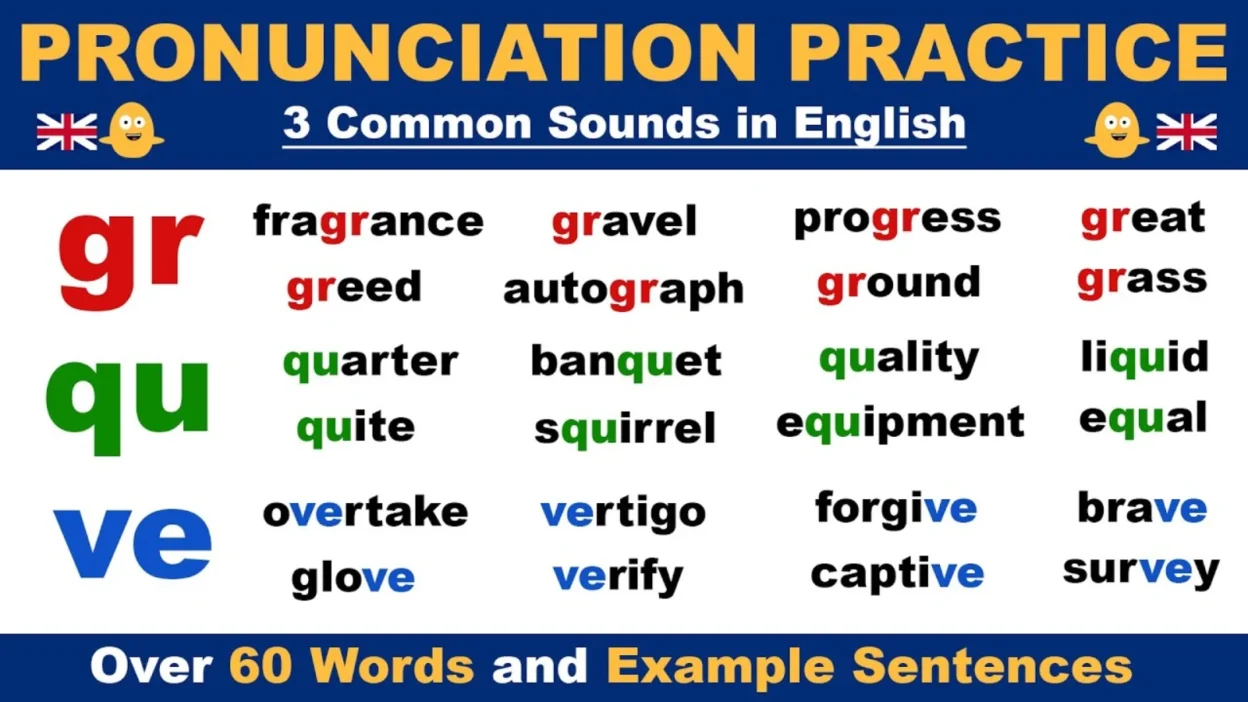
English pronunciation is one of the most important parts of learning English. Many students know grammar and vocabulary, but they feel shy when speaking. Why? Because they are not confident about English pronunciation.
Good pronunciation helps you:
- Speak clearly
- Be understood easily
- Sound more natural
- Improve your spoken English
In this complete beginner-friendly guide, you will learn English sounds, word stress, sentence stress, common mistakes, and practical exercises. The language is simple and easy to follow.
Let’s start step by step.
Sorry Generator
What Is English Pronunciation?
English pronunciation means how we say words and sounds in English.
It includes:
- Individual sounds (letters and phonics)
- Word stress
- Sentence stress
- Intonation (voice going up and down)
- Connected speech
Pronunciation is not only about letters. English spelling and sound are often different.
For example:
| Word | Spelling | Pronunciation |
|---|---|---|
| Knife | k-n-i-f-e | /naɪf/ (k is silent) |
| Honest | h-o-n-e-s-t | /ˈɒnɪst/ (h is silent) |
| Island | i-s-l-a-n-d | /ˈaɪlənd/ (s is silent) |
So, learning pronunciation rules is very important.
English Sounds: Vowels and Consonants
English has 44 main sounds:
- 20 vowel sounds
- 24 consonant sounds
Let’s understand them simply.
Vowel Sounds in English Pronunciation
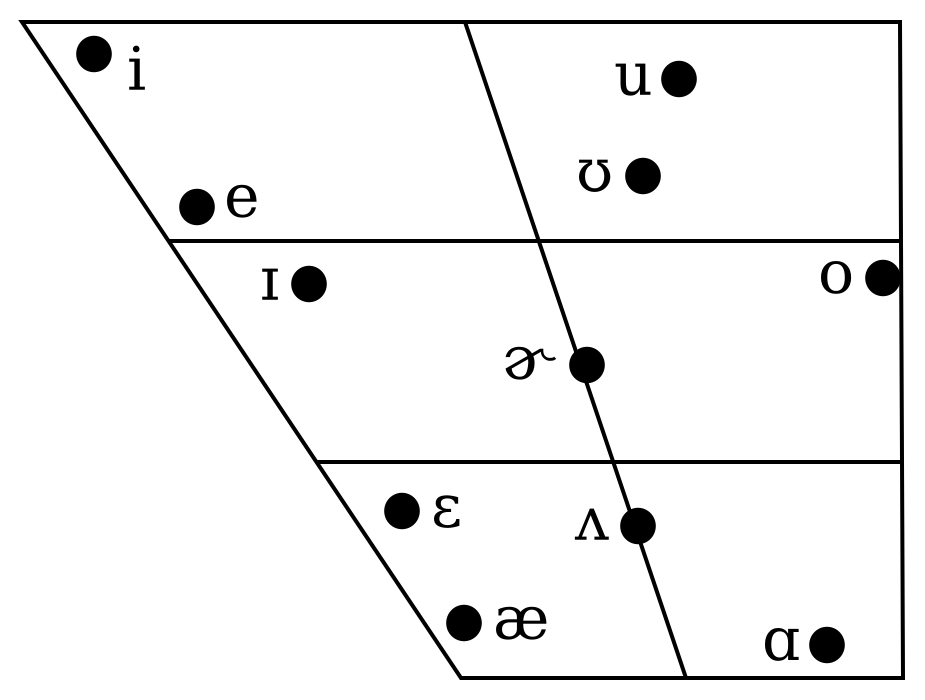

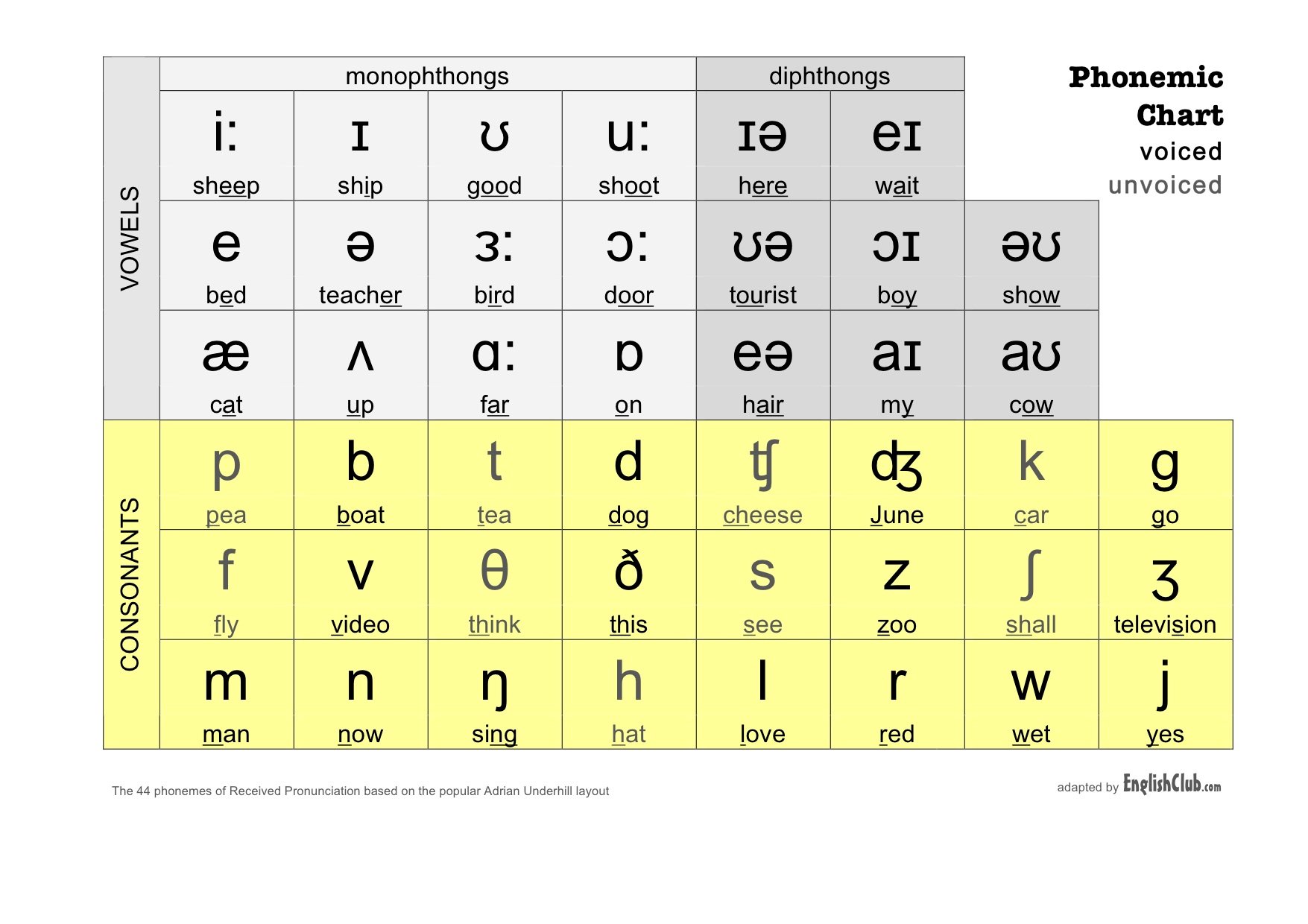
Vowel sounds are made without blocking the air.
Short Vowel Sounds
- /ɪ/ → sit
- /e/ → pen
- /æ/ → cat
- /ʌ/ → cup
- /ɒ/ → hot
- /ʊ/ → book
Long Vowel Sounds
- /iː/ → see
- /ɑː/ → car
- /ɔː/ → door
- /uː/ → food
- /ɜː/ → bird
Practice Sentences
- The cat is on the mat.
- I see a green tree.
- She has a blue car.
Common Mistake
❌ Saying ship and sheep the same way.
✔ ship = /ʃɪp/
✔ sheep = /ʃiːp/
Small sound changes can change meaning.
Consonant Sounds in English Pronunciation
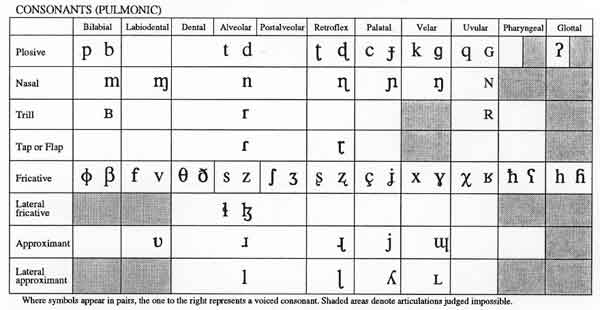

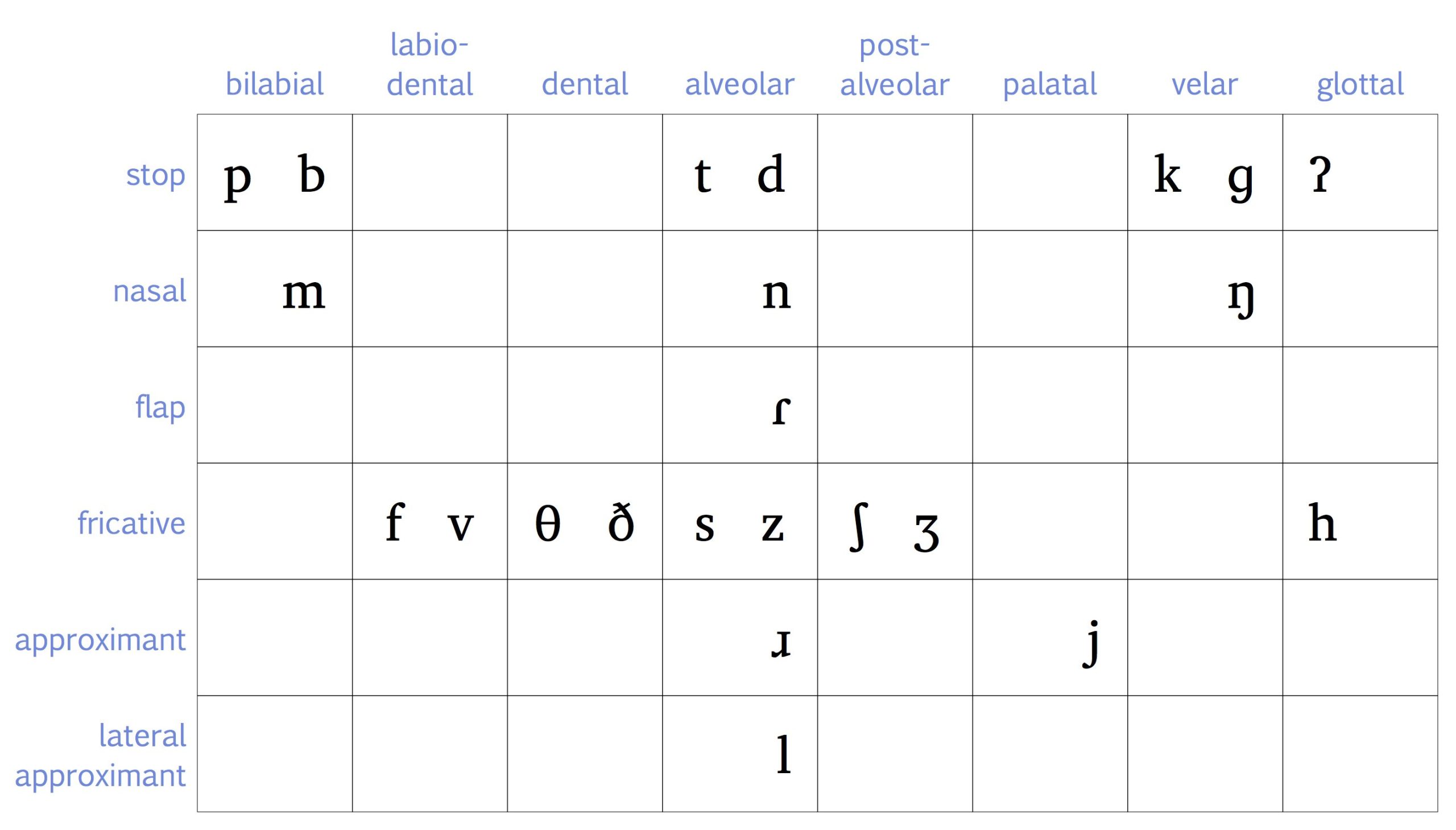
Consonant sounds are made by blocking or controlling the air.
Examples:
- /p/ → pen
- /b/ → bag
- /t/ → top
- /d/ → dog
- /k/ → cat
- /g/ → go
Voiced vs Voiceless Sounds
Put your hand on your throat.
- /b/ (voice vibration) → voiced
- /p/ (no vibration) → voiceless
Practice:
- pat / bat
- fan / van
- sip / zip
These pairs are called minimal pairs. They help improve English pronunciation.
Word Stress in English Pronunciation
Word stress means which syllable is stronger.
Example:
- TA-ble
- be-GIN
- in-TER-est-ing
If you stress the wrong syllable, people may not understand you.
Two-Syllable Words
| Noun | Verb |
|---|---|
| PRE-sent | pre-SENT |
| RE-cord | re-CORD |
| OB-ject | ob-JECT |
Practice
Say these words loudly:
- a-MA-zing
- im-POR-tant
- COM-for-ta-ble
Sentence Stress and Intonation
English is a stress-timed language. Important words are strong. Small words are weak.
Example:
“I WANT to GO to the MARket.”
Important words:
- WANT
- GO
- MARKET
Intonation (Voice Up and Down)
⬆ Rising tone (Yes/No question)
- Are you READY?
⬇ Falling tone (Information question)
- Where are you GOing?
Good intonation makes your English pronunciation natural.
Silent Letters in English
Many English words have silent letters.
Common examples:
| Word | Silent Letter |
|---|---|
| Knife | k |
| Write | w |
| Listen | t |
| Half | l |
| Honest | h |
Tip
Do not trust spelling. Always check pronunciation in a dictionary.
Connected Speech (Natural Speaking)
Native speakers connect words.
Examples:
- Want to → Wanna
- Going to → Gonna
- Did you → Didja
Example Sentence:
“I’m gonna call you.”
This improves your listening and speaking skills.
Real-Life Practice Examples
Imagine these daily situations:
At a Shop
“Can I have a bottle of water?”
Focus on:
- CAN (stress)
- BOTtle (first syllable stress)
- WAter (clear T sound)
On a Phone Call
“Hello, may I speak to Mr. Ali?”
Practice polite tone and clear sounds.
In a Classroom
“I didn’t understand the question.”
Stress:
- DIDN’T
- UN-der-STAND
- QUES-tion
Common English Pronunciation Mistakes
1. Not pronouncing final sounds
❌ I wen home.
✔ I went home.
2. Adding extra vowel sounds
❌ Eschool
✔ School
3. Wrong TH sound
TH has two sounds:
- /θ/ → think
- /ð/ → this
Put your tongue slightly between your teeth.
Daily Practice Plan (15 Minutes)
If you want better English pronunciation, follow this simple plan:
5 minutes – Listen to native audio
5 minutes – Repeat loudly
5 minutes – Record yourself
You can practice with:
- YouTube lessons
- English news
- Short conversations
Consistency is more important than perfection.
English Pronunciation Practice Paragraph
Read this slowly and clearly:
“Today I went to the market to buy some fresh vegetables. The weather was sunny, and many people were shopping happily.”
Focus on:
- Clear vowel sounds
- Strong word stress
- Smooth sentence rhythm
Featured Snippet: How to Improve English Pronunciation Fast
Step-by-step method:
- Learn 44 English sounds
- Practice minimal pairs daily
- Focus on word stress
- Listen and repeat native speakers
- Record your voice
- Correct your mistakes
Practice every day for 15–20 minutes.
Frequently Asked Questions (FAQ)
What is the best way to learn English pronunciation?
The best way is listening and repeating daily. Practice sounds, stress, and intonation regularly.
How long does it take to improve pronunciation?
With daily practice, you can see improvement in 1–3 months.
Why is English pronunciation difficult?
Because English spelling and sounds are different. Many words have silent letters.
How can I practice pronunciation at home?
You can:
- Watch English videos
- Repeat sentences
- Use pronunciation apps
- Record your voice
Is accent important in English?
No. Clear pronunciation is more important than having a perfect accent.
Schema-Ready FAQ Section (For SEO 2026)
Q: How do I fix my English pronunciation mistakes?
A: Identify problem sounds, practice minimal pairs, listen carefully, and record your speech daily.
Q: What are the 44 sounds in English pronunciation?
A: English has 20 vowel sounds and 24 consonant sounds.
Q: How can beginners improve spoken English pronunciation?
A: Practice phonics, word stress, sentence rhythm, and speak daily with confidence.
Key Takeaways
- English pronunciation improves clarity and confidence
- Learn vowel and consonant sounds
- Practice minimal pairs
- Focus on word stress and intonation
- Record yourself and practice daily
- Do not worry about accent — focus on clarity
Final Words
Improving English pronunciation is a journey. Start small. Practice every day. Speak without fear.
If you want to improve your spoken English, begin with sound practice today. Explore more grammar and speaking lessons to become a confident English speaker.