
Learning English becomes much easier when you practice English sentence practice regularly. Sentences are the building blocks of communication. If you can make clear sentences, you can speak, write, and understand English with confidence.
This guide is written for beginner to intermediate learners. The language is simple, the examples are practical, and the explanations are clear. Whether you are a student, job seeker, or self-learner, this article will help you improve step by step.
Sorry Generator
What Is English Sentence Practice?
English sentence practice means learning how to form correct sentences and using them again and again in real situations.
A sentence usually has:
- A subject (who or what)
- A verb (action or state)
- Sometimes an object or extra information
Example:
- I eat breakfast.
- She is happy.
- They are playing cricket.
By practicing sentences daily, you improve:
- Grammar accuracy
- Vocabulary usage
- Speaking confidence
- Writing skills
Why English Sentence Practice Is Important
Many learners know English words but cannot make sentences. Sentence practice helps you connect words correctly.
Benefits of sentence practice:
- Helps you think in English
- Reduces grammar mistakes
- Improves spoken fluency
- Makes writing clearer and natural
Regular practice is more effective than memorizing grammar rules only.
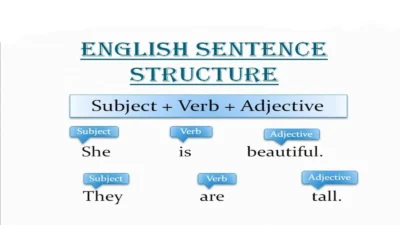
Basic Sentence Structure in English
Before practicing, you need to understand the basic structure.
1. Simple Sentence Structure
Subject + Verb + Object
| Subject | Verb | Object |
| I | like | tea |
| She | reads | books |
| We | play | football |
Examples:
- I like coffee.
- She teaches English.
- We live in Pakistan.
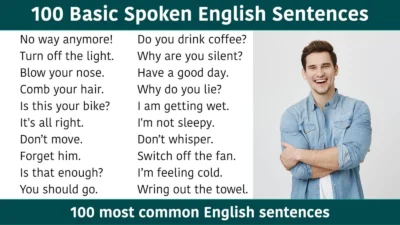
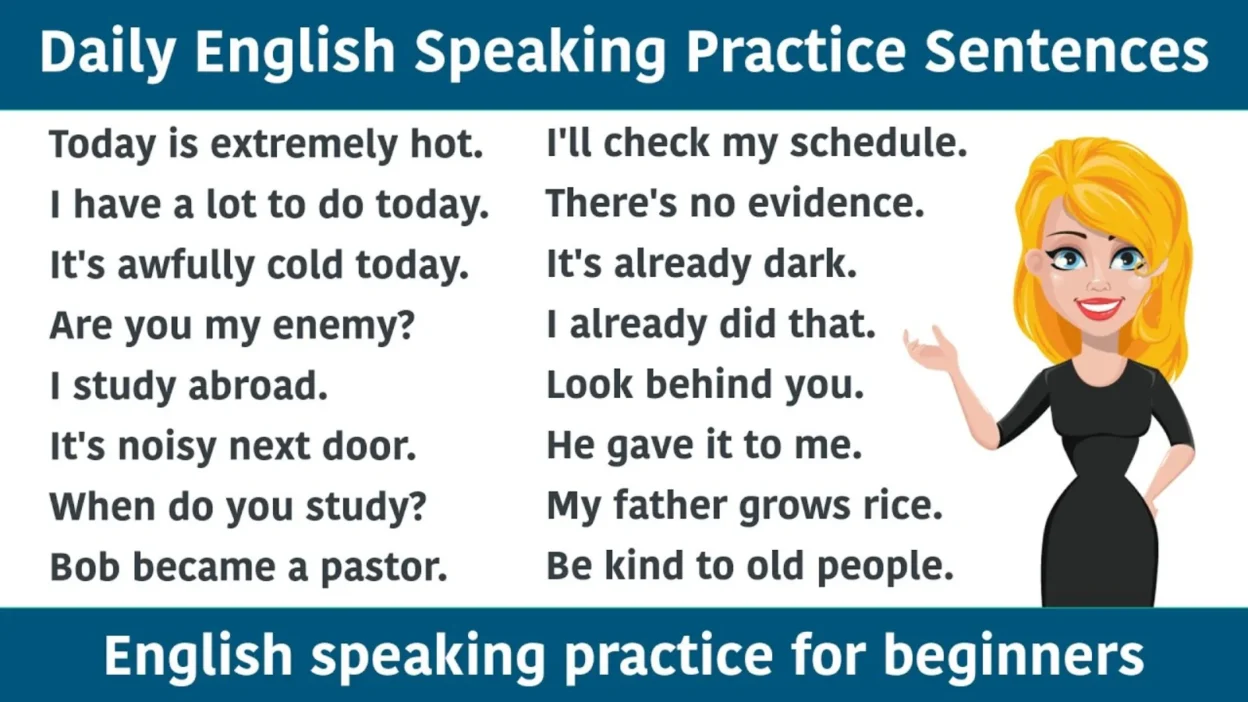
English Sentence Practice for Daily Use
Here are simple English sentences used in daily life.
Daily Routine Sentences
- I wake up early.
- She goes to school.
- We eat dinner at night.
- He works in an office.
- They watch TV in the evening.
Common Speaking Sentences
- How are you?
- I am fine.
- What is your name?
- Nice to meet you.
- Thank you very much.
These sentences help you in basic conversation.
Present Tense Sentence Practice
The present tense is used for:
- Daily habits
- General facts
- Repeated actions
Structure:
Subject + base verb / verb + s
Examples:
- I drink water every day.
- She likes music.
- They play cricket.
- He works hard.
Common Mistakes:
❌ She like coffee
✅ She likes coffee
Past Tense Sentence Practice
The past tense is used for completed actions.
Structure:
Examples:
- I visited my friend yesterday.
- She cooked food.
- We watched a movie.
- They finished the work.
Common Mistakes:
❌ I go to school yesterday
✅ I went to school yesterday
Future Tense Sentence Practice
Future tense talks about plans or actions that will happen.
Structure:
Subject + will + base verb
Examples:
- I will learn English.
- She will call you.
- We will travel tomorrow.
- They will help us.
English Sentence Practice with Questions
Questions are very important for speaking.
Yes/No Questions
- Do you like tea?
- Is she your teacher?
- Are they ready?
WH Questions
- What is your name?
- Where do you live?
- When will you come?
- Why are you late?
Tip:
Use a rising tone when speaking questions.
Negative Sentence Practice
Negative sentences show no, not, or never.
Structure:
Subject + do not / does not / did not + verb
Examples:
- I do not like coffee.
- She does not eat meat.
- We did not go outside.
- They are not happy.
English Sentence Practice for Speaking Confidence
Try speaking these sentences aloud.
Confidence-Building Sentences
- I am learning English every day.
- I can speak English slowly.
- Mistakes help me learn.
- I am improving step by step.
Speaking aloud helps your brain and tongue work together.
English Sentence Practice with Real-Life Situations
At the Market
- How much is this?
- Please give me one kilo.
- This is too expensive.
- Do you have a discount?
At the Office
- I have completed my work.
- Please check this file.
- I will send the email.
- Let us start the meeting.
Common English Sentence Mistakes (and Corrections)
| Wrong Sentence | Correct Sentence |
| He go to school | He goes to school |
| She did not went | She did not go |
| I am agree | I agree |
| She is teacher | She is a teacher |
Learning from mistakes is a powerful way to improve.
Practice Exercise: Make Your Own Sentences
Try to make sentences using these words:
- happy
- learn
- market
- yesterday
- tomorrow
Example:
- I am happy today.
- I learned English yesterday.
Practice daily for better results.
English Sentence Practice Tips for Beginners
- Start with short sentences
- Practice aloud every day
- Write 5 sentences daily
- Do not fear mistakes
- Use English in real life
Consistency is more important than perfection.
Frequently Asked Questions (FAQ)
What is the best way to practice English sentences?
Practice daily by speaking, writing, and reading simple sentences. Use real-life examples.
How many sentences should I practice daily?
Start with 5–10 sentences a day. Increase slowly as your confidence grows.
Can I learn English without grammar rules?
Basic grammar helps, but sentence practice is more important than memorizing rules.
How long does it take to improve sentence making?
With daily practice, you can see improvement in 1–2 months.
Is English sentence practice useful for speaking?
Yes, sentence practice is one of the best ways to improve spoken English.
Key Takeaways
- English sentence practice improves speaking and writing
- Learn basic sentence structure first
- Practice present, past, and future tenses
- Use real-life sentences
- Learn from common mistakes
- Practice every day without fear
Final Words
English sentence practice is the foundation of fluent English. You do not need perfect grammar on day one. Start small, practice daily, and stay consistent.