
English sentence structure practice is one of the most important steps in learning English. If you know words but cannot arrange them correctly, your English will sound confusing. The good news is that English sentence structure is logical, simple, and easy to practice when explained clearly.
This guide is written for beginner to intermediate learners. The language is simple, examples are practical, and explanations are short and clear. By the end, you will feel more confident making correct English sentences in daily life, exams, and writing.
Sorry Generator
What Is English Sentence Structure?
English sentence structure is the order of words in a sentence. It shows how subjects, verbs, and objects work together to express a complete idea.
A sentence must:
- Have a subject
- Have a verb
- Express a complete meaning
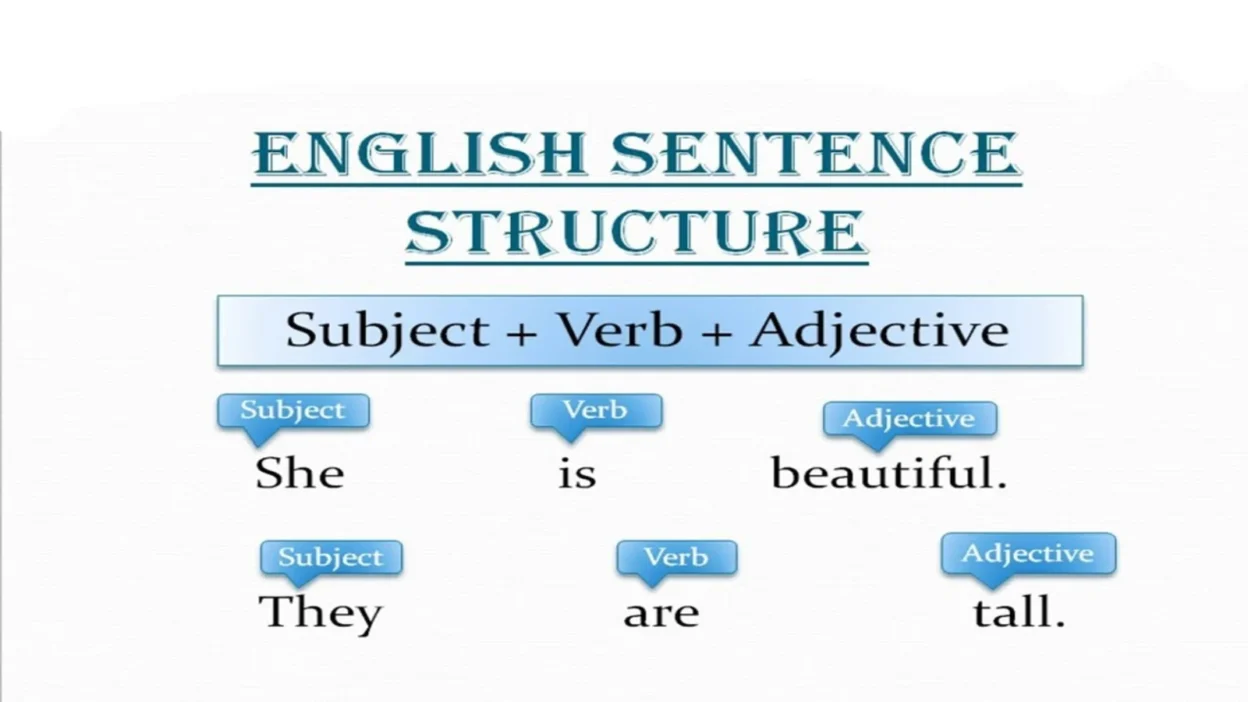
Basic English Sentence Formula
Subject + Verb + Object
Examples:
- I read books.
- She likes tea.
- They play football.
This simple pattern is the foundation of all English sentence structure practice.
Why English Sentence Structure Practice Is Important
Practicing sentence structure helps you:
- Speak clearly and confidently
- Write correct emails, essays, and messages
- Avoid common grammar mistakes
- Improve exam and test performance
- Sound natural in conversations
Many learners know vocabulary but struggle to connect words correctly. Regular practice solves this problem.
Basic Parts of an English Sentence
Before practicing, you must understand the main parts.
1. Subject
The subject tells who or what does the action.
Examples:
- I
- She
- My brother
- The students
2. Verb
The verb shows the action or state.
Examples:
- eat
- is
- play
- learn
3. Object
The object receives the action.
Examples:
- food
- a book
- English
- football
Simple Sentence Structure Examples (Beginner Level)
A simple sentence has one subject and one verb.
Examples:
- I work.
- She studies.
- They sleep early.
Simple Sentence with Object
- I drink water.
- He watches TV.
- We learn English.
👉 Tip: Start your English sentence structure practice with simple sentences.
English Sentence Structure for Daily Use
Here are real-life sentence patterns you can use every day.
Talking About Yourself
- I am a student.
- I live in Pakistan.
- I am learning English.
Talking About Routine
- I wake up early.
- She goes to work at 9 am.
- We eat dinner together.
Asking Simple Questions
- Do you like tea?
- Where do you live?
- What is your name?
Word Order in English Sentences
English has a fixed word order. Changing it can make sentences wrong.
Correct Order
Subject + Verb + Object + Place + Time
Example:
- I study English at home every night.
Wrong Order
❌ I study at home English every night.
Sentence Structure with Helping Verbs
Helping verbs are also called auxiliary verbs.
Common helping verbs:
- am, is, are
- was, were
- do, does
- has, have
Examples:
- She is reading a book.
- They are playing outside.
- I have finished my work.
Negative Sentence Structure Practice
To make negative sentences, we usually add not.
Present Simple Negatives
- I do not like coffee.
- She does not understand me.
- They do not work here.
Past Simple Negatives
- I did not go yesterday.
- He did not call me.
Question Sentence Structure (Very Important)
Questions follow a different structure.
Yes/No Questions
Helping Verb + Subject + Main Verb?
Examples:
- Do you like English?
- Does she work here?
- Are they ready?
WH-Questions
WH-word + Helping Verb + Subject + Verb?
Examples:
- What do you want?
- Where do you live?
- Why are you late?
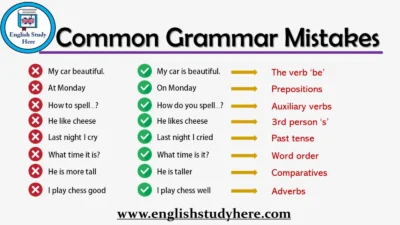
Common English Sentence Structure Mistakes
Here are mistakes many learners make.
1. Missing Verb
❌ I happy today.
✅ I am happy today.
2. Wrong Word Order
❌ She every day studies English.
✅ She studies English every day.
3. Subject-Verb Agreement
❌ He play football.
✅ He plays football.
English Sentence Structure Practice Exercises
Practice 1: Make Correct Sentences
Arrange the words correctly:
- (English / learning / am / I)
- (plays / she / piano)
Answers:
- I am learning English.
- She plays piano.
Practice 2: Fill in the Blank
- She ___ reading a book. (is / are)
- They ___ not understand the lesson. (do / does)
Answers:
- is
- do
Sentence Structure Table (Quick Reference)
| Sentence Type | Structure | Example |
| Simple | S + V | I work. |
| With Object | S + V + O | She reads books. |
| Negative | S + do not + V | I do not smoke. |
| Question | Do + S + V? | Do you agree? |
Tips to Improve English Sentence Structure Fast
- Practice speaking daily
- Write 5 sentences every day
- Read simple English articles
- Listen to natural English conversations
- Focus on structure, not speed
Consistency matters more than perfection.
FAQ: English Sentence Structure Practice
What is the basic English sentence structure?
The basic structure is Subject + Verb + Object. Example: I eat food.
How can beginners practice English sentence structure?
Beginners should start with simple sentences, practice daily, and use real-life examples.
Why do I make mistakes in sentence structure?
Most mistakes happen due to direct translation from your native language or lack of practice.
How long does it take to improve sentence structure?
With daily practice, you can see improvement in 3–4 weeks.
Is English sentence structure difficult?
No. English sentence structure is logical and easier than many other languages.
Key Takeaways
- English sentence structure is about word order
- Start with simple sentences
- Practice daily with real-life examples
- Learn common patterns for statements, questions, and negatives
- Mistakes are part of learning
Final Words (Soft CTA)
English sentence structure practice is the backbone of good English. Start small, practice daily, and slowly increase difficulty.