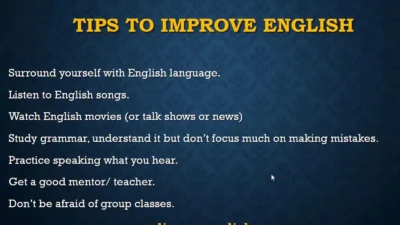

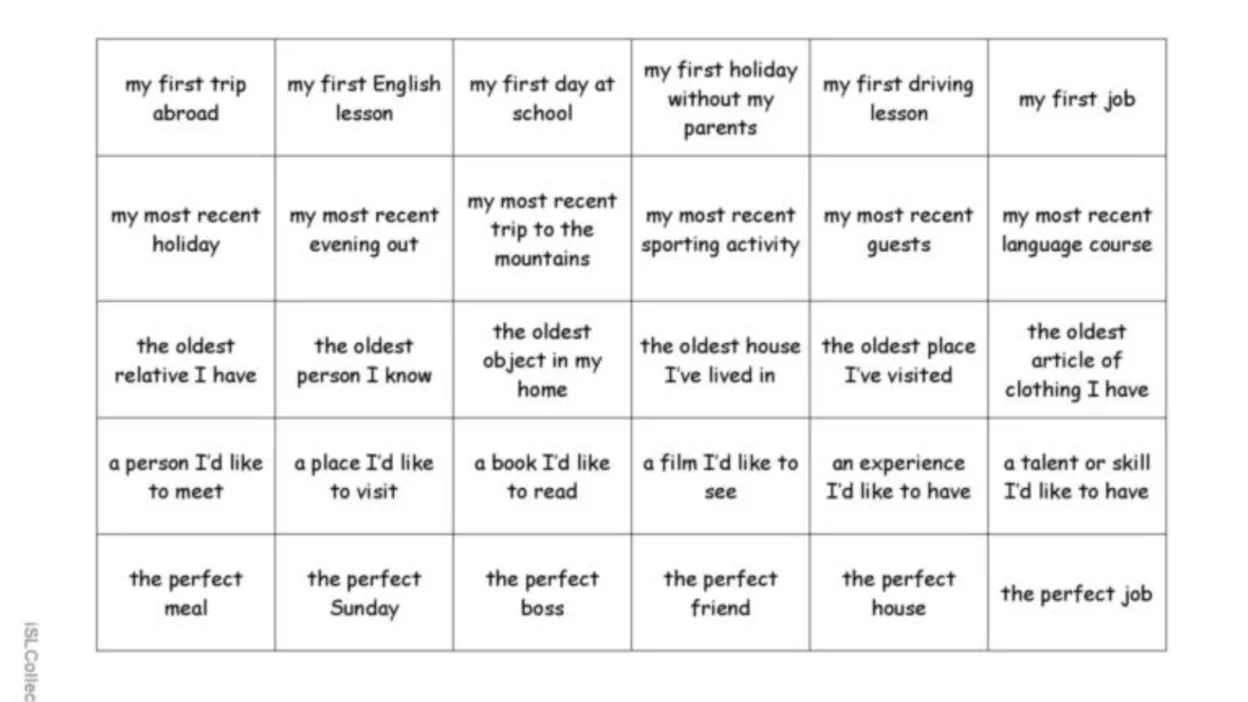
Learning to speak English confidently does not happen by reading grammar rules alone. You need practice, and the best way to practice is through English speaking activities that feel natural, simple, and useful in real life.
This complete 2026 guide is designed especially for beginner to intermediate learners. The activities are practical, friendly, and proven to work for non-native English speakers.
You do not need a classroom, a native teacher, or perfect grammar. You only need the right activities and daily practice.
Let’s start.
Sorry Generator
Why English Speaking Activities Are Important
Many learners understand English but cannot speak it fluently. This happens because:
- They study grammar too much
- They are afraid of making mistakes
- They do not practice speaking daily
English speaking activities help you:
- Think in English
- Speak without fear
- Improve pronunciation
- Build confidence
- Use English in real-life situations
Speaking is a skill, not a theory. Skills grow with action.
Who Are These English Speaking Activities For?
These activities are perfect if you are:
- A beginner learning basic English
- An intermediate learner stuck at the same level
- A student preparing for interviews
- A job seeker
- A self-learner without a speaking partner
No matter your age or background, you can use these methods.
How Often Should You Practice Speaking English?
Short and regular practice works best.
Recommended routine:
- 15–20 minutes daily for beginners
- 30 minutes daily for intermediate learners
Consistency is more important than long study sessions.
English Speaking Activities for Beginners
Let’s start with simple activities that build a strong foundation.
1. Daily Self-Introduction Practice
This is one of the easiest English speaking activities.
What to do:
Speak about yourself every day for 2–3 minutes.
Example:
Hello, my name is Ali.
✅ Improved Version:
I live in Lahore.
To improve my career, I am learning English.
Reading books and watching movies are my favorite activities.
💡 Another Natural Version:
Living in Lahore, I am focused on improving my English for career growth.
In my free time, reading and watching movies are what I enjoy most.
🔑 Tips to avoid repetition:
Combine sentences where possible
Start with phrases instead of “I”
Use activities as subjects (e.g., “Reading helps me…”)
Tip:
Change your sentences daily. Add new information.
Common mistake:
Memorizing one introduction and repeating it forever.
2. Mirror Speaking Activity
This activity builds confidence.
How it works:
- Stand in front of a mirror
- Look at your face
- Speak simple English sentences
Example sentences:
- Today is a good day
- I am learning English
- I can speak English confidently
This helps reduce fear and improve body language.
3. Picture Description Activity
Choose any picture and describe it.
Questions to answer:
- What can you see?
- Who is in the picture?
- What are they doing?
Example:
This is a picture of a family.
They are sitting in a park.
The children are playing.
This activity improves vocabulary and sentence structure.
4. Read Aloud and Speak
Reading aloud trains your mouth and ears.
Steps:
- Choose a short paragraph
- Read it loudly
- Speak slowly and clearly
Best content to read:
- Short stories
- News headlines
- Simple blog posts
5. Question-and-Answer Speaking
Ask yourself questions and answer them.
Example questions:
- What did you do today?
- What is your favorite food?
- Why are you learning English?
Sample answer:
I am learning English because I want a better job and more confidence.
English Speaking Activities for Intermediate Learners
Now let’s move to more advanced but still simple speaking activities.
6. Role Play Speaking Activity
Pretend you are in a real-life situation.
Common role plays:
- At a restaurant
- At a job interview
- Talking to a customer
- Asking for directions
Example (restaurant):
I would like a chicken burger, please.
Can I have some water?
Role play prepares you for real conversations.
7. Daily Topic Speaking Practice
Choose one topic and speak for 3–5 minutes.
Topic examples:
- My favorite movie
- My best friend
- Online learning
- Social media pros and cons
Tip:
Do not stop if you forget a word. Use simple words instead.
8. Storytelling Activity
Create a small story in English.
Structure:
- Beginning
- Middle
- Ending
Example:
Yesterday, I went to the market.
I met an old friend there.
We talked and had tea together.
This improves fluency and sentence flow.
9. Opinion Speaking Activity
Speak your opinion on a simple issue.
Example topics:
- Online classes are better than physical classes
- Mobile phones are useful for students
Example opinion:
I think online classes are helpful because we can learn from home.
10. Shadow Speaking Method
This is a powerful technique.
How to do it:
- Play a short English video
- Pause after one sentence
- Repeat exactly what you hear
This improves pronunciation and natural speaking rhythm.
English Speaking Activities You Can Do Alone
You don’t always need a partner.
Solo speaking ideas:
- Record your voice on your phone
- Talk about your day
- Explain something you learned
- Teach English to an imaginary student
Listening to your recordings helps you fix mistakes.
English Speaking Activities with a Partner
If you have a partner, practice becomes easier.
Partner activities:
- Daily conversation practice
- Question games
- Debate simple topics
- Describe things to each other
Rule:
Do not switch to your native language.
Common Mistakes Learners Make While Speaking English
Avoid these mistakes to improve faster.
Mistake 1: Waiting for Perfect Grammar
Speak first. Correct later.
Mistake 2: Translating from Native Language
Think in English, even with simple words.
Mistake 3: Fear of Mistakes
Mistakes are part of learning.
Mistake 4: No Daily Practice
Even 10 minutes daily is powerful.
Useful Speaking Practice Sentences
Use these daily:
- I am trying to improve my English
- Can you please repeat that?
- I don’t understand this word
- Let me think for a moment
- That’s a good idea
These sentences are useful in real conversations.
English Speaking Activities Table (Quick Overview)
| Level | Activity Type | Time Needed |
| Beginner | Self-introduction | 5 minutes |
| Beginner | Mirror speaking | 10 minutes |
| Intermediate | Role play | 15 minutes |
| Intermediate | Topic speaking | 20 minutes |
| All levels | Voice recording | 10 minutes |
How to Stay Motivated While Practicing English Speaking
- Set small goals
- Track your progress
- Celebrate improvement
- Focus on communication, not perfection
Confidence grows with action.
Frequently Asked Questions (FAQ)
What are the best English speaking activities for beginners?
Simple activities like self-introduction, mirror speaking, and picture description are best for beginners.
How can I practice English speaking alone at home?
You can speak in front of a mirror, record your voice, describe daily activities, and practice topic speaking.
How long does it take to improve English speaking?
With daily practice, beginners see improvement in 2–3 months. Consistency matters most.
Is grammar important for speaking English?
Basic grammar helps, but fluency comes from speaking practice, not grammar rules alone.
Can I become fluent without a native speaker?
Yes. Regular speaking activities and self-practice can make you fluent.
Key Takeaways
- English speaking activities are essential for fluency
- Practice daily, even for a short time
- Start simple and increase difficulty slowly
- Mistakes are normal and helpful
- Confidence comes from action
Final Words
Improving spoken English is not difficult when you use the right English speaking activities. You don’t need perfection. You need practice, patience, and confidence.