

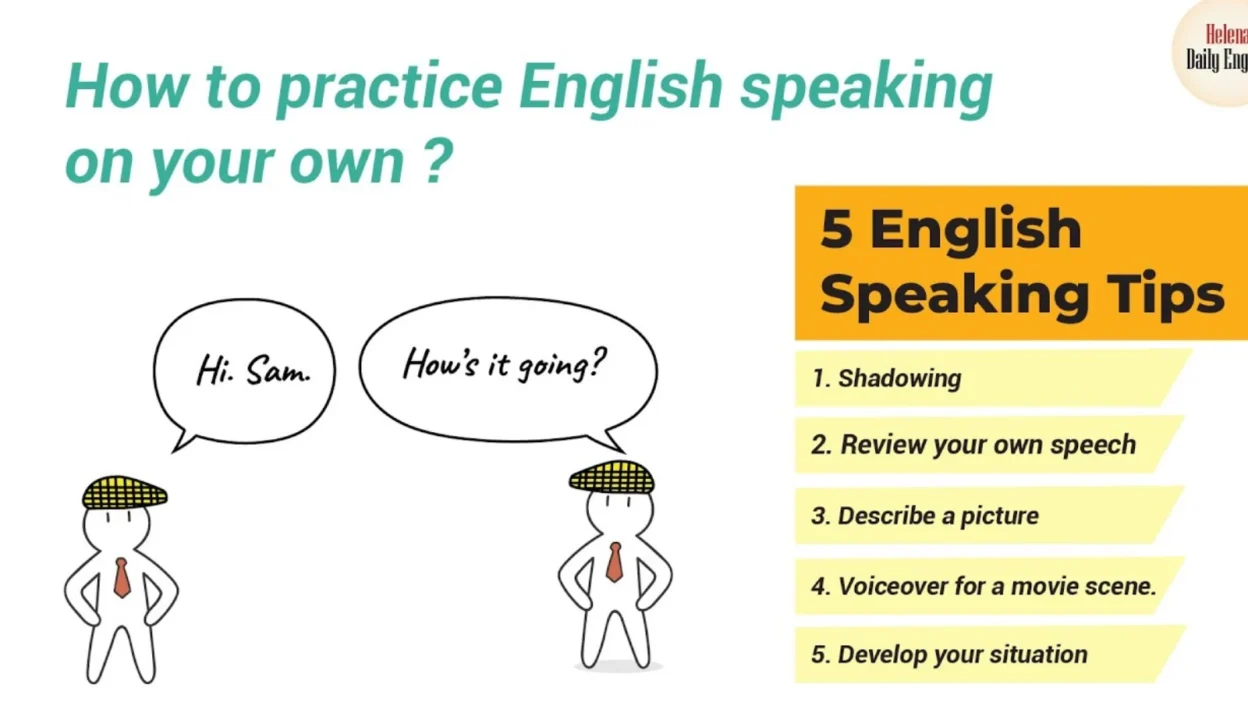
English speaking practice is the most important skill for anyone learning English. You may know grammar rules and many words, but if you do not practice speaking, English will feel difficult in real life.
This guide is written for beginner to intermediate learners. The language is simple, clear, and practical. You will learn how to practice English speaking daily, even if you do not live in an English-speaking country.
By the end of this article, you will know:
- What English speaking practice really means
- Easy ways to practice speaking every day
- Real-life examples and sentences
- Common mistakes learners make
- How to build confidence step by step
Let’s start.
Sorry Generator
What Is English Speaking Practice?
English speaking practice means using English out loud to express your thoughts, feelings, and ideas. It is not about speaking perfect English. It is about communicating clearly.
Speaking practice includes:
- Talking to yourself
- Speaking with friends or partners
- Repeating sentences aloud
- Using English in daily situations
Why Speaking Practice Is Hard for Many Learners
Many learners say:
- “I understand English, but I can’t speak.”
- “I’m afraid of making mistakes.”
- “I don’t have anyone to practice with.”
These problems are normal. The good news is: you can improve with the right methods.
Why English Speaking Practice Is Important
Speaking is the final goal of learning English. You learn English to:
- Talk to people
- Get a job
- Travel
- Study
- Feel confident
Benefits of Regular Speaking Practice
- Improves pronunciation
- Builds confidence
- Helps you think in English
- Makes grammar natural
- Improves listening skills
The more you speak, the easier English becomes.
How to Start English Speaking Practice (For Beginners)
If you are a beginner, do not try to speak long sentences. Start small.
1. Start with Simple Daily Sentences
Speak short, easy sentences about your daily life.
Examples:
- I wake up at 7 a.m.
- I eat breakfast at home.
- I go to work by bus.
- I like tea more than coffee.
Say these sentences out loud, not in your head.
2. Talk to Yourself in English
Self-talk is one of the best English speaking practice methods.
You can talk about:
- What you are doing
- What you see
- What you plan to do
Example:
“I am cooking food now. I am cutting vegetables. The food smells good.”
This helps you think in English naturally.
3. Read Aloud Every Day
Reading aloud improves:
- Pronunciation
- Fluency
- Confidence
Choose simple English text:
- Short stories
- News for beginners
- English lessons
Read slowly and clearly.
English Speaking Practice for Daily Life Situations
Real-life practice makes learning faster. Below are common situations.
Speaking Practice: Introducing Yourself
Basic Structure:
- Name
- Where you are from
- What you do
Example:
“Hello, my name is Ali. I am from Pakistan. I am a student. Nice to meet you.”
Practice this until it feels easy.
Speaking Practice: At a Shop
Example Conversation:
- “How much is this?”
- “Do you have another color?”
- “I would like to buy this.”
Practice these sentences aloud.
Speaking Practice: Talking About Your Day
Example:
“Today was a busy day.Improved version:
I worked in the office.
In the evening, I met my friend.
After a long day, I felt tired but happy.
Another option:
I worked in the office during the day.
Later, I met my friend in the evening.
By the end of the day, I felt tired but happy.
English Speaking Practice Techniques That Really Work
Shadowing Technique (Very Effective)
Shadowing means listening and speaking at the same time.
How to do it:
- Play a short English audio
- Listen once
- Play again and repeat with the speaker
This improves:
- Pronunciation
- Rhythm
- Accent
Question and Answer Practice
Ask yourself questions and answer them.
Examples:
- What is your favorite food?
- “My favorite food is biryani.”
- Why are you learning English?
- “I am learning English to improve my career.”
Think in English (Step by Step)
Do not translate from your language.
Start with single words:
- Water
- Phone
- Work
Then short sentences:
- I need water.
- My phone is on the table.
English Speaking Practice for Intermediate Learners
If you can speak basic English, focus on fluency and confidence.
Expand Your Answers
Instead of short answers, add details.
Short answer:
- “Yes, I like it.”
Better answer:
- “Yes, I like it because it is very useful and interesting.”
Practice Opinions
Use opinion sentences.
Examples:
- I think English is important.
- In my opinion, online learning is helpful.
- I believe practice is the key to success.
Practice Storytelling
Talk about past experiences.
Example:
“Last year, I visited Lahore. I went with my family. We enjoyed the food and weather.”
Common Mistakes in English Speaking Practice
1. Fear of Making Mistakes
Mistakes are normal. Even native speakers make mistakes.
Wrong thinking:
- “I must speak perfect English.”
Right thinking:
- “I must speak clear English.”
2. Learning Only Grammar
Grammar is important, but speaking needs practice.
Do not wait to finish grammar before speaking.
3. Speaking Too Fast
Slow speech is better than unclear speech.
4. Memorizing Without Understanding
Do not memorize long sentences you do not understand.
English Speaking Practice: Common Errors and Corrections
| Incorrect Sentence | Correct Sentence |
| He go to school | He goes to school |
| I am agree | I agree |
| She have a car | She has a car |
| I did a mistake | I made a mistake |
Practice correct sentences aloud.
Daily English Speaking Practice Plan (15–30 Minutes)
Beginner Plan:
- 5 minutes: Read aloud
- 5 minutes: Speak about your day
- 5 minutes: Self-talk
Intermediate Plan:
- 10 minutes: Shadowing
- 10 minutes: Question & answer
- 10 minutes: Storytelling
Consistency is more important than time.
English Speaking Practice Without a Partner
You do not need a partner to improve.
You can:
- Talk to yourself
- Record your voice
- Use mirror practice
- Practice with AI tools
Recording helps you notice mistakes.
Featured Snippet Example: How to Practice English Speaking Daily
Answer:
To practice English speaking daily, speak out loud for at least 15 minutes. Talk about your day, read aloud, repeat sentences, and think in English. Consistency is the key.
FAQ: English Speaking Practice (People Also Ask)
How can I improve my English speaking fast?
Practice speaking every day, even for a short time. Focus on simple sentences, not perfection.
Can I learn English speaking alone?
Yes. Self-talk, reading aloud, and voice recording are very effective.
How long does it take to speak English fluently?
With daily practice, beginners can see improvement in 2–3 months. Fluency takes longer and depends on practice.
What should I speak about in English?
Talk about your daily life, work, hobbies, plans, and opinions.
Is grammar important for speaking?
Basic grammar helps, but speaking practice is more important than perfect grammar.
Schema-Ready FAQ (Short Answers)
Question: What is English speaking practice?
Answer: English speaking practice is using spoken English regularly to improve communication and confidence.
Question: How often should I practice English speaking?
Answer: You should practice English speaking every day, even for 10–15 minutes.
Key Takeaways: English Speaking Practice
- Speaking practice is more important than memorizing rules
- Start with simple sentences
- Speak daily, even alone
- Do not fear mistakes
- Consistency builds confidence
Final Words
English speaking practice is a journey, not a race. Speak a little every day. Make mistakes. Learn from them. Slowly, English will feel natural.