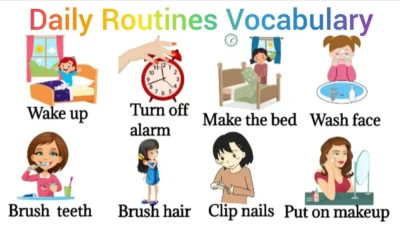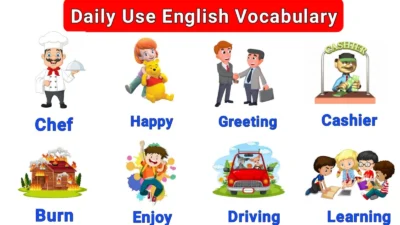

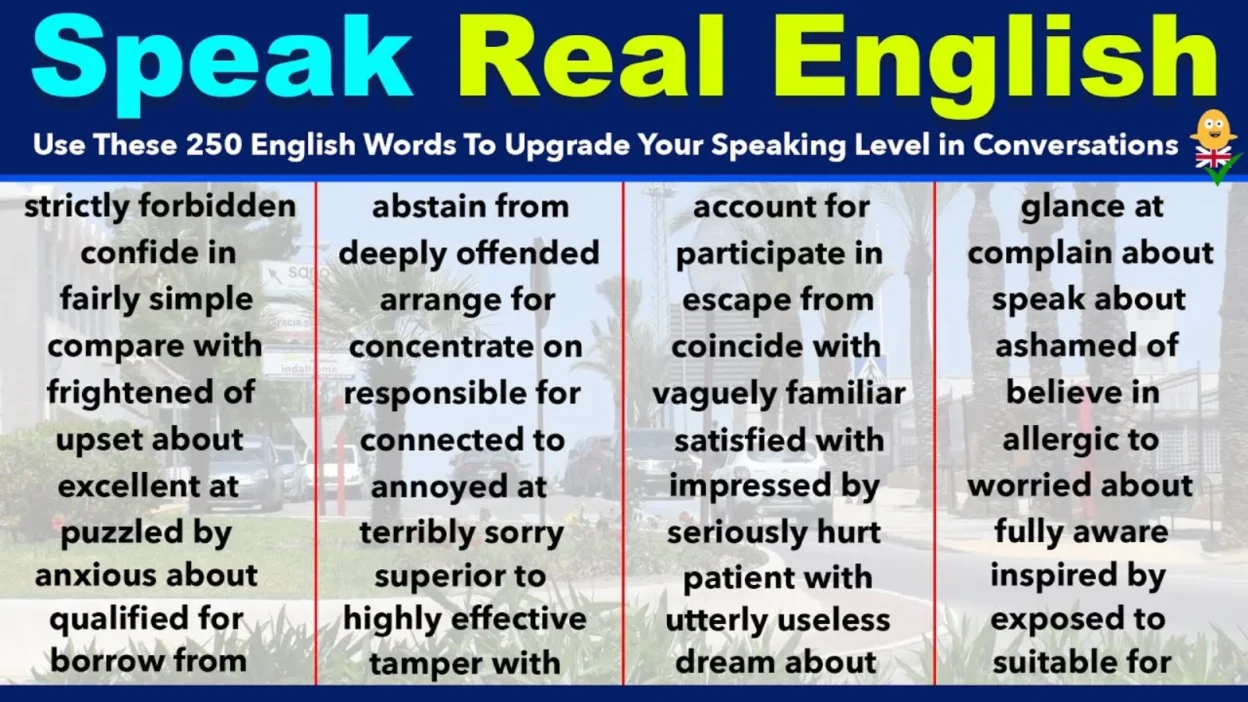
Learning English speaking words is one of the fastest and easiest ways to improve your spoken English. If you know the right words and how to use them in daily life, you can speak more confidently—even with simple grammar.
This guide is written for beginner to intermediate learners, especially non-native speakers. The language is easy, explanations are clear, and examples are practical. You don’t need advanced grammar to start speaking English well.
Let’s begin step by step.
Sorry Generator
What Are English Speaking Words?
English speaking words are common, useful words and phrases that people use in everyday conversations. These words help you:
- Start conversations
- Express feelings and opinions
- Ask questions
- Reply naturally
- Sound polite and confident
They are different from difficult vocabulary used in books or exams. Speaking words are simple, natural, and practical.
Why English Speaking Words Are Important
Many learners study English for years but still feel shy while speaking. The main reason is:
They focus too much on grammar and not enough on speaking words.
Here’s why speaking words matter:
- People understand you even if grammar is not perfect
- You speak faster and with confidence
- You sound more natural
- You can communicate in real-life situations
💡 Real-life truth: Native speakers often use simple words, not difficult ones.
Basic English Speaking Words for Daily Use
Let’s start with very common English speaking words used every day.
Common Greeting Words
These words help you start conversations politely.
- Hello
- Hi
- Good morning
- Good afternoon
- Good evening
- How are you?
- How’s it going?
Example sentences:
- Hello, how are you?
- Hi, nice to meet you.
Polite English Speaking Words
Being polite is very important in English.
- Please
- Thank you
- Thanks a lot
- Sorry
- Excuse me
- You’re welcome
Example sentences:
- Please help me.
- Sorry, I am late.
- Thank you for your time.
English Speaking Words for Daily Conversation
These words are used when talking to friends, family, or colleagues.
Common Action Words (Verbs)
- Go
- Come
- Eat
- Drink
- Talk
- Speak
- Work
- Help
Examples:
- I go to work every day.
- Let’s talk later.
Common Describing Words (Adjectives)
- Good
- Bad
- Easy
- Difficult
- Happy
- Sad
- Busy
- Free
Examples:
- English is easy if you practice.
- I am busy today.
English Speaking Words for Expressing Feelings
Expressing feelings helps you sound more human and natural.
Feeling Words
- Happy
- Excited
- Angry
- Tired
- Nervous
- Confident
- Relaxed
Examples:
- I am happy to see you.
- I feel nervous before speaking English.
English Speaking Words for Asking Questions
Questions are very important in conversation.
Basic Question Words
- What
- Where
- When
- Why
- Who
- How
Examples:
- What is your name?
- Where do you live?
- How are you feeling today?
These words are essential English speaking words for beginners.
English Speaking Words for Opinions
To share your thoughts, use these simple words.
- I think
- I believe
- I feel
- In my opinion
- Maybe
- I agree
- I disagree
Examples:
- I think English is useful.
- I agree with you.
Useful English Speaking Phrases (Very Important)
Single words are helpful, but phrases make your speech smoother.
Daily Use Speaking Phrases
- Can you help me?
- I don’t understand
- Please explain again
- That’s a good idea
- No problem
- It’s okay
- I’m not sure
Examples:
- Sorry, I don’t understand.
- Can you help me with this?
💡 These phrases often appear in voice search and AI answers.
English Speaking Words for Work and Study
If you use English at work or school, these words are useful.
Common Workplace Words
- Meeting
- Task
- Deadline
- Project
- Team
- Manager
- Report
Examples:
- We have a meeting today.
- This task is easy.
Common Mistakes Learners Make with English Speaking Words
Avoid these mistakes to improve faster.
Mistake 1: Using Very Difficult Words
❌ I endeavor to commence my occupation.
✅ I am starting my job.
Simple words sound more natural.
Mistake 2: Translating from Your Native Language
This can cause confusion.
❌ I am having 20 years.
✅ I am 20 years old.
Mistake 3: Fear of Making Mistakes
Mistakes are part of learning.
✔ Speak more
✔ Practice daily
✔ Learn from errors
Practice Section: Use English Speaking Words
Try these simple practice sentences.
Fill in the blanks
- Hello, how ___ you?
- Please ___ me.
- I am very ___ today.
Possible answers: are, help, happy
Speak Aloud Practice
Say these sentences loudly:
- I am learning English speaking words.
- English is easy if I practice daily.
- I feel confident when I speak English.
How to Learn English Speaking Words Faster
Follow these proven tips:
- Practice speaking daily (even 10 minutes)
- Listen to English conversations
- Watch simple English videos
- Repeat common phrases
- Speak without fear
Consistency is more important than perfection.
English Speaking Words for Beginners (Quick Table)
| Situation | Useful Words |
| Greeting | Hello, Hi |
| Asking help | Please, Help |
| Thanking | Thank you |
| Apologizing | Sorry |
| Agreeing | Yes, I agree |
| Unsure | Maybe, Not sure |
This table is featured-snippet friendly.
FAQ: English Speaking Words (People Also Ask)
What are English speaking words?
English speaking words are common words and phrases used in daily conversations to communicate easily and naturally.
How can I improve my English speaking words?
Practice daily, listen to English, repeat common phrases, and speak without fear of mistakes.
Are English speaking words different from vocabulary?
Yes. Speaking words are simple and practical, while vocabulary can include difficult or academic words.
How many English speaking words do I need?
You can start speaking basic English with 500–1000 common English speaking words.
Can I speak English without perfect grammar?
Yes. Communication is more important than perfect grammar, especially for beginners.
Key Takeaways
- English speaking words help you communicate confidently
- Simple words are better than difficult vocabulary
- Practice daily with real-life examples
- Don’t fear mistakes—keep speaking
- Focus on common words and phrases
Final Thoughts
Learning English speaking words is the smartest way to improve your spoken English in 2026 and beyond. You don’t need perfect grammar or advanced vocabulary. You need practice, confidence, and the right words.