
Sorry Generator
Introduction: What Are English Tenses?
English tenses tell us when an action happens.
They show if something happens in the past, present, or future.
For many learners, English tenses feel confusing. But the good news is this:
English tenses follow clear patterns. Once you understand those patterns, using them becomes easy.
This guide is written for beginner to intermediate learners.
You will learn:
- All main English tenses in simple language
- Real-life examples you can use daily
- Common mistakes learners make
- Practice sentences to build confidence
By the end, English tenses will feel logical, not scary.
What Are the Main English Tenses?
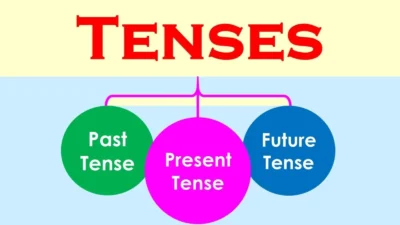
English has three main time groups:
- Present
- Past
- Future
Each group has four forms, making 12 English tenses in total.
| Time | Simple | Continuous | Perfect | Perfect Continuous |
| Present | Present Simple | Present Continuous | Present Perfect | Present Perfect Continuous |
| Past | Past Simple | Past Continuous | Past Perfect | Past Perfect Continuous |
| Future | Future Simple | Future Continuous | Future Perfect | Future Perfect Continuous |
Don’t worry—we will explain them one by one.
Present Tenses in English
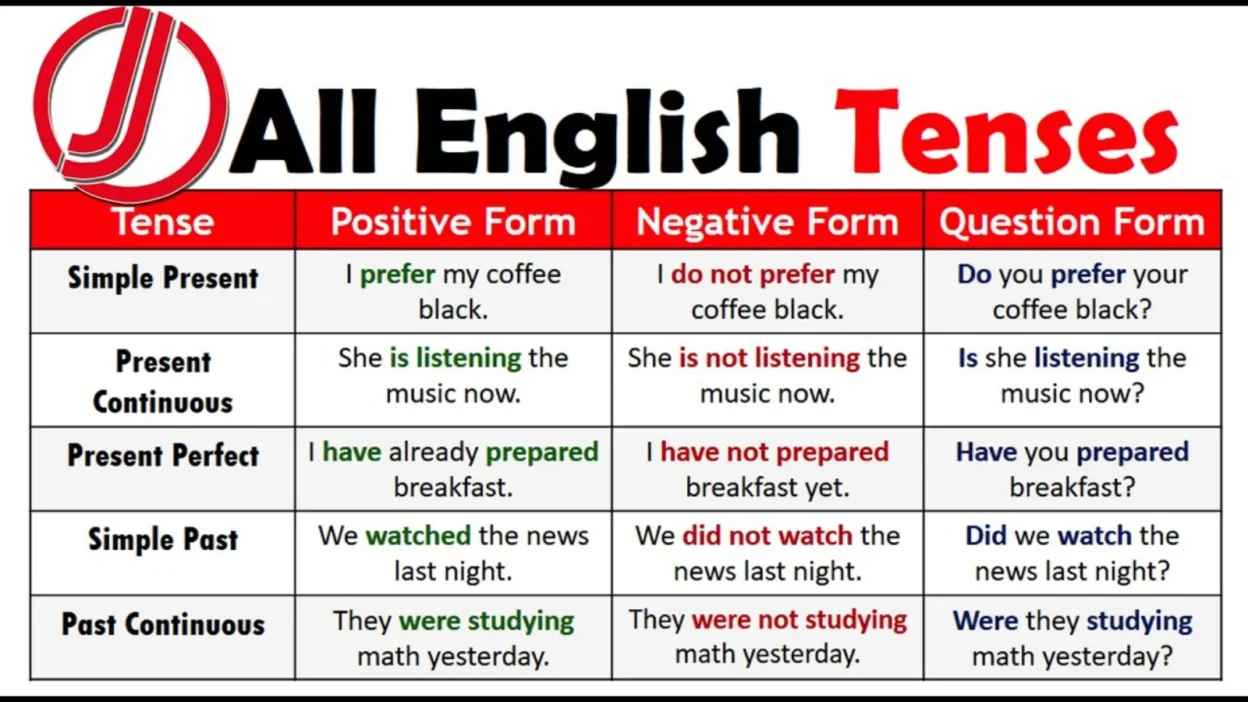
Present Simple Tense
Use:
- Daily routines
- Facts
- Habits
Structure:
Subject + base verb (+ s/es)
Examples:
- I wake up early.
- She works in an office.
- The sun rises in the east.
Real-life use:
You use this tense when talking about your daily life.
Common mistakes:
- ❌ She work hard
- ✅ She works hard
Present Continuous Tense
Use:
- Action happening now
- Temporary actions
Structure:
Subject + am/is/are + verb + ing
Examples:
- I am studying English.
- They are watching TV.
- She is cooking dinner.
Real-life use:
What are you doing right now? This tense answers that.
Common mistakes:
- ❌ I am study English
- ✅ I am studying English
Present Perfect Tense
Use:
- Past action with result now
- Life experiences
Structure:
Subject + has/have + past participle
Examples:
- I have finished my work.
- She has visited London.
- We have learned English tenses.
Keywords often used:
already, yet, ever, never, just
Common mistakes:
- ❌ I have saw this movie
- ✅ I have seen this movie
Present Perfect Continuous Tense
Use:
- Action started in the past and still continuing
Structure:
Subject + has/have been + verb + ing
Examples:
- I have been studying for two hours.
- She has been working here since 2020.
Real-life use:
To show duration of an action.
Common mistakes:
- ❌ I have been study
- ✅ I have been studying
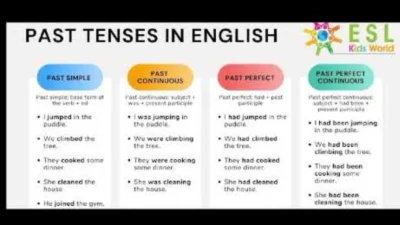
Past Tenses in English
Past Simple Tense
Use:
- Finished actions in the past
Structure:
Subject + past verb (V2)
Examples:
- I watched a movie yesterday.
- She went to school.
- They played football.
Time words:
yesterday, last night, last year
Common mistakes:
- ❌ I go to market yesterday
- ✅ I went to market yesterday
Past Continuous Tense
Use:
- Action happening at a specific time in the past
Structure:
Subject + was/were + verb + ing
Examples:
- I was sleeping at 10 pm.
- They were studying when I called.
Common mistake:
- ❌ I was sleep
- ✅ I was sleeping
Past Perfect Tense
Use:
- One action happened before another in the past
Structure:
Subject + had + past participle
Examples:
- I had finished my work before dinner.
- She had left when I arrived.
Helpful tip:
Think of it as the past of the past.
Past Perfect Continuous Tense
Use:
- Shows how long an action continued before another past action
Structure:
Subject + had been + verb + ing
Examples:
- I had been waiting for an hour.
- She had been working all day.
Future Tenses in English
Future Simple Tense
Use:
- Decisions made now
- Predictions
Structure:
Subject + will + base verb
Examples:
- I will help you.
- She will call tomorrow.
- It will rain today.
Future Continuous Tense
Use:
- Action in progress at a future time
Structure:
Subject + will be + verb + ing
Examples:
- I will be studying at night.
- They will be traveling tomorrow.
Future Perfect Tense
Use:
- Action finished before a future time
Structure:
Subject + will have + past participle
Examples:
- I will have completed my course by June.
- She will have arrived by 8 pm.
Future Perfect Continuous Tense
Use:
- Shows duration up to a future point
Structure:
Subject + will have been + verb + ing
Examples:
- I will have been working here for five years.
- They will have been waiting for hours.
Common English Tense Mistakes (And Fixes)
- Mixing present and past in one sentence
- Forgetting s/es in present simple
- Using base verb instead of past participle
- Overusing future tense instead of present for schedules
Example fix:
- ❌ Tomorrow I will go to school at 8 (schedule)
- ✅ Tomorrow I go to school at 8
Practice Sentences (Try Yourself)
Fill in the blanks:
- She ___ (study) English every day.
- I ___ (watch) TV when he called.
- They ___ (finish) their work already.
- We ___ (travel) tomorrow morning.
(Answers at the end 👇)
FAQ: English Tenses (People Also Ask)
How many tenses are there in English?
English has 12 main tenses, divided into present, past, and future.
Which English tense should beginners learn first?
Start with present simple, then present continuous, followed by past simple.
Why are English tenses confusing?
Because English uses time + situation, not just time. Practice makes it clear.
How can I improve my use of English tenses?
Read daily, speak often, and practice short sentences regularly.
Is grammar necessary to speak English fluently?
Yes. Grammar gives structure. Tenses help people understand when things happen.
Key Takeaways: English Tenses Made Easy
- English tenses show time and action
- Learn them step by step, not all at once
- Focus on real-life usage
- Practice daily with short sentences
- Mistakes are part of learning—don’t fear them
Final Practice Answer
Learning English tenses may seem difficult at first, but remember — even native speakers learned step by step. You do not need to master all 12 tenses in one day. Focus on the most common ones first: simple present, simple past, and present perfect.
Practice speaking about your daily routine, what you did yesterday, and what you will do tomorrow. When you use English tenses in real life, they become natural.
Consistency is more important than perfection. If you practice a little every day, your confidence will grow, your mistakes will reduce, and your English will become stronger.
Keep learning, keep practicing, and explore more English grammar topics to improve your speaking and writing skills every day.