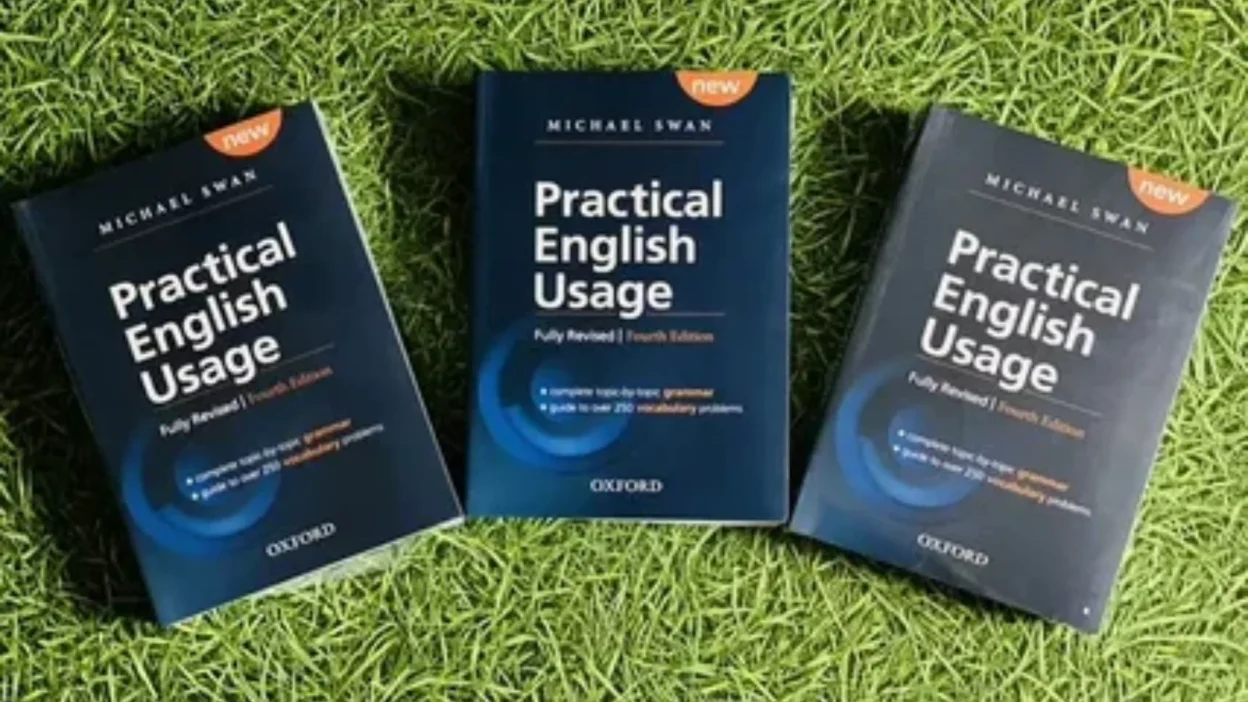
English usage is the way words, phrases, and grammar are used correctly in real communication. Many learners know English rules, but they still feel confused when speaking, writing, or reading. That’s because English usage is about practice, context, and meaning, not just rules.
This complete guide to English usage is written in simple, clear English for beginner to intermediate learners. You’ll learn how English is actually used in daily life, with examples, tables, practice sentences, and common mistakes to avoid.
Sorry Generator
What Is English Usage?
English usage refers to how English words, grammar, and expressions are commonly and correctly used in real situations.
It includes:
- Correct grammar choices
- Natural sentence structure
- Proper word meanings
- Formal vs informal usage
- Spoken and written English differences
Simple Example
❌ He did a mistake.
✅ He made a mistake.
Both sentences are understandable, but only one is correct English usage.
Why English Usage Is Important
Good English usage helps you:
- Speak more naturally
- Write clearly and confidently
- Avoid common learner mistakes
- Sound fluent, not robotic
- Understand native speakers better
English exams, job interviews, emails, and conversations all depend on correct English usage.
English Usage vs English Grammar
Many learners think grammar and usage are the same. They are related, but not identical.
| English Grammar | English Usage |
| Rules and structures | How language is actually used |
| Focuses on correctness | Focuses on naturalness |
| Textbook-based | Real-life based |
| Example: tenses | Example: word choice |
Example
Use “much” with uncountable nouns.
Usage reality:
- How much water do you drink? ✅
- I don’t have much time. ✅
But in spoken English:
- I don’t have a lot of time. (more natural)
Common Areas of English Usage
1. Word Choice in English Usage
Some English words look similar but are used differently.
| Word | Correct Usage |
| Say | Say something |
| Tell | Tell someone |
| Do | Do work |
| Make | Make a decision |
Examples
- She said the truth. ❌
- She told the truth. ✅
- I did a plan. ❌
- I made a plan. ✅
2. Formal vs Informal English Usage
English changes depending on the situation.
| Formal | Informal |
| I am writing to inform you | Just wanted to let you know |
| Cannot | Can’t |
| Assistance | Help |
Example
Formal email:
I am writing to request information.
Informal message:
Can you send me the details?
3. Spoken vs Written English Usage
In everyday conversations, English is usually shorter, faster, and more relaxed than written English.
Examples used in spoken English:
| Spoken English | Standard Written English |
|---|---|
| Gonna | Going to |
| Wanna | Want to |
| Yeah | Yes |
You can also make it slightly more natural like this:
Alternative version
3. Spoken vs Written English Usage
In daily conversations, people often use shorter and more relaxed forms of English.
Here are some common examples used in spoken English:
- Gonna → going to
- Wanna → want to
- Yeah → yes
These informal words are common in conversations but should usually be avoided in formal writing or academic work.
✅ Tip for SEO tools:
Avoid starting sentences repeatedly with the same word such as Spoken English… Spoken English… Spoken English…. Instead, use variations like:
In informal English… English
Example
Spoken:
I’m gonna call you later.
Written:
I will call you later.
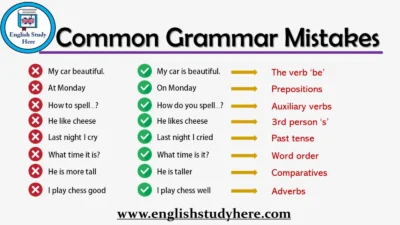
Common English Usage Mistakes (With Fixes)
Mistake 1: Incorrect Prepositions
❌ She is married with him.
✅ She is married to him.
❌ Discuss about the issue.
✅ Discuss the issue.
Mistake 2: Wrong Verb Forms
❌ He didn’t went there.
✅ He didn’t go there.
❌ She enjoy to read.
✅ She enjoys reading.
Mistake 3: Overusing Direct Translation
❌ Open the light.
✅ Turn on the light.
❌ Give me a glass of tea.
✅ Give me a cup of tea.
English Usage in Daily Life (Real Examples)
At Work
- I will get back to you.
- Let me check and confirm.
At Home
- What’s for dinner?
- I’m feeling tired today.
Social English
- That sounds good.
- I’m just kidding.
English Usage: Practice Sentences
Try to understand why the correct sentence works.
- ❌ She explained me the problem.
✅ She explained the problem to me. - ❌ I am agree with you.
✅ I agree with you. - ❌ He is good in math.
✅ He is good at math.
English Usage Rules You Should Remember
Use “-ing” After Prepositions
- Interested in learning English
- Good at speaking English
Use “to” With Certain Verbs
- Want to learn
- Need to improve
Adjective Order (Usage-Based)
Opinion → Size → Age → Color → Noun
A beautiful small old house
English Usage for Beginners (Simple Tips)
- Learn phrases, not single words
- Read simple English daily
- Listen to real conversations
- Copy natural sentence patterns
- Practice speaking aloud
Consistency matters more than perfection.
English Usage for Writing
Email Usage Tips
- Keep sentences short
- Avoid slang in formal writing
- Use polite phrases
Example
Thank you for your email. I will respond shortly.
English Usage for Speaking
- Don’t overthink grammar
- Focus on clarity
- Use common expressions
Example
Could you repeat that, please?
Featured Snippet: What Is Correct English Usage?
Correct English usage means using words, grammar, and expressions in a way that sounds natural, clear, and appropriate for real-life communication.
FAQ: English Usage (People Also Ask)
What does English usage mean?
English usage means how English words and grammar are commonly and correctly used in real situations.
Is English usage different from grammar?
Yes. Grammar is about rules, while usage is about how language is naturally used by speakers.
How can I improve my English usage?
Practice daily, read simple English, listen to real conversations, and learn common phrases.
Why is English usage important?
It helps you speak clearly, write correctly, and avoid common mistakes.
Is spoken English usage different from written English?
Yes. Spoken English is more informal and flexible, while written English follows stricter rules.
Key Takeaways: English Usage
- English usage focuses on real communication
- Correct usage improves fluency and confidence
- Learn phrases, not just grammar rules
- Avoid direct translation from your native language
- Practice regularly with real examples
Final Thoughts
Improving English usage takes time, practice, and exposure to real English. Start small, focus on common patterns, and don’t be afraid to make mistakes—they are part of learning.