
Sorry Generator
English Vocabulary Building: Start Strong and Grow Confident
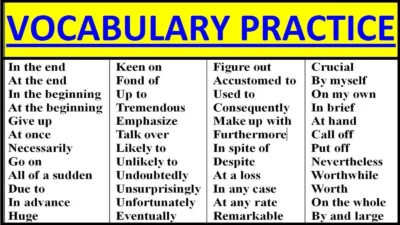
English vocabulary building is one of the most important skills for learning English. When you know more words, you can understand better, speak clearly, write confidently, and think faster in English.
Many learners feel stuck because they study grammar but still cannot express ideas. The real reason is often limited vocabulary.
In this guide, you will learn:
- What vocabulary building really means
- Easy and effective ways to learn new words
- Real-life examples and practice sentences
- Common mistakes learners make
- Smart strategies that work in 2026 for humans and AI-based search
This article is written in simple English, especially for beginner to intermediate learners.
What Is English Vocabulary Building?
English vocabulary building means learning new English words and knowing:
- their meaning
- how to pronounce them
- how to use them in real sentences
Vocabulary is not just memorizing word lists. It is about using words correctly in daily life.
Example
Knowing the word “run” is not enough.
You should know:
- I run every morning.
- The bus is running late.
- She runs a small business.
Same word, different meanings.
Why Is English Vocabulary Building Important?
Without vocabulary:
- You cannot understand conversations
- You cannot explain your thoughts
- Your reading feels slow and confusing
With strong vocabulary:
- You speak more fluently
- You understand movies and videos
- You write better emails and exams
Real-Life Example
If someone says:
“I’m feeling exhausted.”
If you don’t know exhausted, you miss the meaning.
If you know it, you understand: very tired.
How Many English Words Do You Need?
You do not need to know all English words.
| Level | Approximate Words |
| Beginner | 1,000 – 1,500 |
| Intermediate | 3,000 – 4,000 |
| Advanced | 8,000+ |
Focus on useful, common words, not rare dictionary words.
Best Methods for English Vocabulary Building (That Actually Work)
1. Learn Words in Context (Not Alone)
Do not learn words like this:
- happy = khush
Learn words like this:
- I feel happy when I help others.
Context helps memory.
2. Use the “Daily Life” Method
Learn words you use every day:
- food
- travel
- work
- emotions
- technology
Example
Instead of random words, learn:
- breakfast
- meeting
- tired
- message
3. Read Simple English Every Day
Reading is one of the fastest ways for English vocabulary building.
Start with:
- short stories
- easy news
- blog posts
- graded readers
Tip: Do not stop for every new word. Guess the meaning first.
4. Listen and Learn (Passive Vocabulary)
Listening improves understanding and pronunciation.
Good sources:
- YouTube (slow English channels)
- Podcasts for learners
- Movies with subtitles
When you hear a word again and again, it becomes natural.
Word Families: Learn More with Less Effort
One word can give you many words.
Example: “Help”
- help (verb)
- helper (noun)
- helpful (adjective)
- helpless (adjective)
This is a smart vocabulary strategy.
Common English Vocabulary Categories (With Examples)
1. Daily Routine Words
- wake up
- brush
- work
- rest
Sentence:
I wake up early and go to work.
2. Emotions Vocabulary
- happy
- nervous
- excited
- angry
Sentence:
She feels nervous before exams.
3. Travel Vocabulary
- ticket
- station
- luggage
- journey
Sentence:
My journey was long but interesting.
Practice Sentences (Try Reading Aloud)
- I am learning new English words every day.
- Reading helps me improve my vocabulary.
- I make mistakes, but I keep practicing.
Tip: Reading aloud improves memory and confidence.
Common Mistakes in English Vocabulary Building
Mistake 1: Memorizing Without Using
Words disappear if you don’t use them.
Solution:
Write 2–3 sentences with every new word.
Mistake 2: Learning Too Many Words at Once
This causes confusion and stress.
Solution:
Learn 5–10 words per day, but use them deeply.
Mistake 3: Ignoring Pronunciation
Wrong pronunciation creates fear in speaking.
Solution:
Listen to the word and repeat it.
Vocabulary Building for Speaking Confidence
Vocabulary gives you choice.
Instead of saying:
- very very good
You can say:
- excellent
- amazing
- impressive
This makes your English sound natural.
Featured Snippet Example: Vocabulary Tip
Best way to build English vocabulary:
Learn words in context, use them daily, read simple English, and practice speaking without fear.
English Vocabulary Building for Exams and Jobs
For exams:
- focus on academic words
- practice sentence usage
For jobs:
- learn workplace vocabulary
- emails, meetings, interviews
Example
- deadline
- schedule
- feedback
Voice Search Friendly Tips (2026 Ready)
People ask:
- “How can I improve my English vocabulary fast?”
- “What is the best way to learn English words?”
Short answer:
Practice daily, learn in context, and use words in real life.
FAQ: English Vocabulary Building (People Also Ask)
What is the best way to build English vocabulary?
The best way is to learn words in sentences, read daily, listen to English, and use new words while speaking or writing.
How many words should I learn per day?
Learning 5–10 words per day is ideal. Focus on understanding and using them correctly.
Can I improve vocabulary without grammar?
Yes. Vocabulary improves understanding and speaking even if grammar is not perfect.
How long does it take to build good vocabulary?
With daily practice, learners see improvement in 2–3 months.
Is reading better than memorizing word lists?
Yes. Reading helps you learn meaning, usage, and context naturally.
Quick Summary: Key Takeaways
- English vocabulary building is essential for fluency
- Learn words in context, not alone
- Practice daily with reading and listening
- Avoid memorizing without usage
- Small daily effort gives big results
Final Thoughts & Soft CTA
Building English vocabulary is a daily habit, not a one-time task. Be patient with yourself. Every new word is progress.