
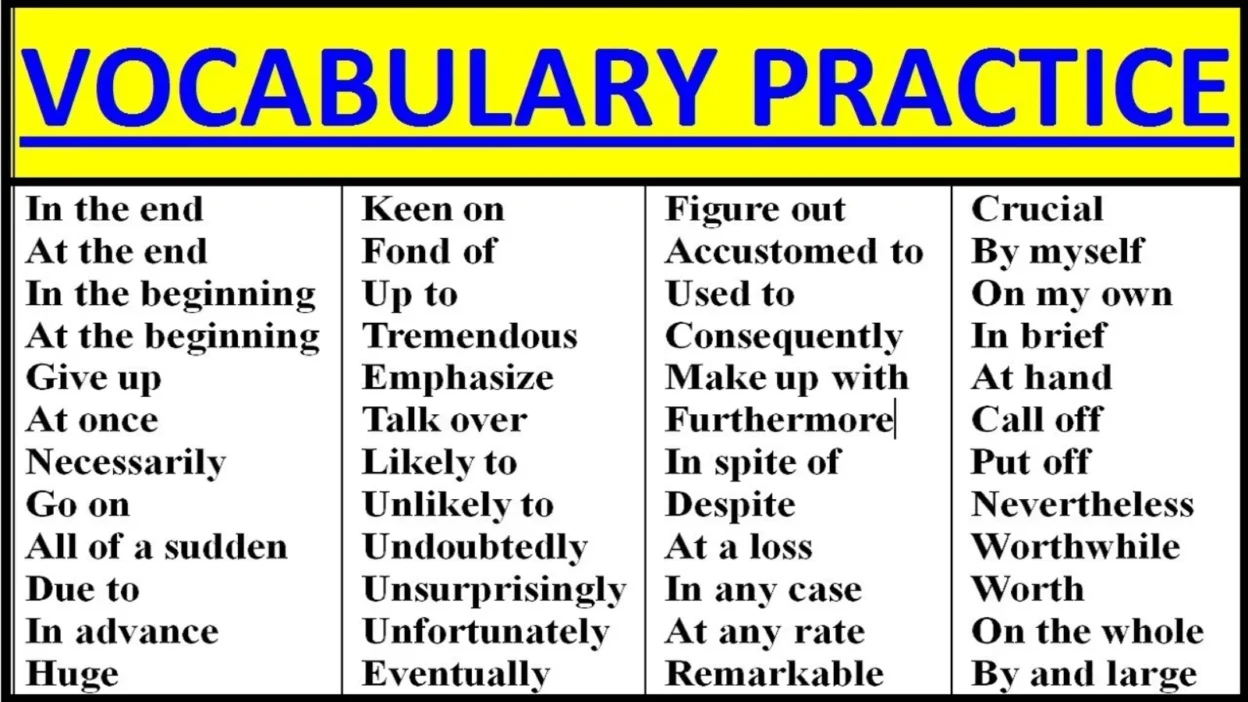
English vocabulary practice is one of the most important steps in learning English. Grammar gives structure, but vocabulary gives meaning. If you know more words, you can understand better, speak more confidently, write clearly, and enjoy English content without stress.
This guide is written in simple, clear English for beginner to intermediate learners. You will learn what vocabulary is, how to practice it correctly, common mistakes learners make, and practical examples you can use in daily life.
Sorry Generator
What Is English Vocabulary Practice?
English vocabulary practice means learning new English words and using them again and again until they become natural for you.
It is not just about memorizing word lists. Real vocabulary practice includes:
- Understanding the meaning of words
- Knowing how to use words in sentences
- Learning pronunciation
- Knowing when a word is formal or informal
- Practicing words in real-life situations
Example
Learning the word “happy” is not enough.
Good vocabulary practice means you also learn:
- I am happy today.
- She looks happy.
- Happy ≠ excited (different feelings)
Why English Vocabulary Practice Is Important
Many learners feel stuck because they know grammar rules but cannot express ideas. The reason is weak vocabulary.
Benefits of Vocabulary Practice
- Improves speaking confidence
- Helps you understand movies, videos, and books
- Makes writing easier
- Improves listening skills
- Helps in exams, interviews, and daily conversations
Without regular English vocabulary practice, progress becomes very slow.
How Many Words Do You Need to Know?
You do not need to know every English word.
Here is a simple idea:
| Level | Approximate Words |
| Beginner | 1,000–1,500 |
| Intermediate | 3,000–5,000 |
| Advanced | 8,000+ |
Focus on useful and common words, not rare or difficult ones.
Best Ways to Practice English Vocabulary (Step by Step)
1. Learn Words in Context (Not Alone)
Never learn words alone. Always learn them in sentences.
❌ Wrong way:
- Delay = late
✅ Right way:
- The bus was delayed because of rain.
This helps your brain remember how the word is used.
2. Use Daily-Life Vocabulary
Start with words you can use every day.
Examples:
- Food: breakfast, dinner, hungry
- Emotions: happy, angry, tired
- Actions: buy, go, work, study
Practice Sentences
- I am hungry after work.
- She studies English every day.
3. Practice with Short Sentences
Long sentences can confuse beginners. Keep it simple.
Example:
- I like tea.
- He works in an office.
- They are watching TV.
Short sentences help you focus on the word.
4. Use the Same Word Many Times
Repetition is key in English vocabulary practice.
Example with “important”:
- English is important for my job.
- This meeting is important.
- It is important to practice daily.
Common English Vocabulary Categories to Practice
Daily Use Vocabulary
Words used in normal life:
- time, money, food, family, work
Action Verbs
Words that show action:
- run, eat, write, speak, learn
Adjectives (Describing Words)
- big, small, easy, difficult, fast, slow
Prepositions (Very Important)
- in, on, at, under, between
Example:
- The book is on the table.
- She is at home.
English Vocabulary Practice with Real-Life Examples
At a Shop
- How much is this?
- I want to buy this shirt.
- It is too expensive.
At Work
- I have a meeting today.
- Please send the email.
- I will finish the task.
At Home
- I am cooking dinner.
- The room is clean.
- I need some rest.
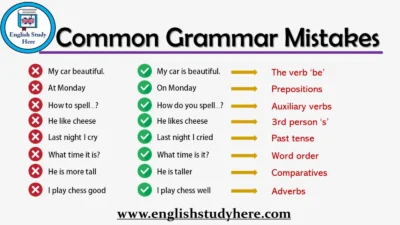
Common Vocabulary Mistakes Learners Make
1. Using the Wrong Word
❌ I did a mistake.
✅ I made a mistake.
Explanation:
In English, we make a mistake, not do a mistake.
2. Confusing Similar Words
Examples:
- say vs tell
- big vs large
- fun vs funny
Example:
- She told me the truth.
(not said me)
3. Translating Word by Word
Thinking in your native language and translating directly causes errors.
❌ I am agree with you.
✅ I agree with you.
Simple Daily English Vocabulary Practice Plan
10–15 Minutes a Day
You do not need hours.
Daily Plan Example:
- Learn 5 new words
- Write 1 sentence for each word
- Say the sentences aloud
- Review old words
Consistency is more important than speed.
Vocabulary Practice Using Questions (Voice Search Friendly)
Try answering these questions out loud:
- What did you do today?
- How do you feel now?
- What are you learning?
- What is your favorite food?
This helps with thinking in English.
English Vocabulary Practice for Beginners (Example Block)
Word: tired
Meaning: feeling the need to rest
Examples:
- I am tired after work.
- She feels tired today.
Common Mistake:
❌ I am boring. (wrong word)
✅ I am tired.
Vocabulary Practice for Intermediate Learners
Intermediate learners should focus on:
- Synonyms (same meaning words)
- Phrasal verbs
- Word forms
Example
Word: help
- help (verb): I help my friend.
- helpful (adjective): She is helpful.
- helpfully (adverb)
Practice Table: Common Words and Usage
| Word | Meaning | Example Sentence |
| improve | get better | I want to improve my English |
| decide | choose | She decided to study |
| practice | repeat to learn | Practice English daily |
How to Remember Vocabulary Longer
- Use words in real conversations
- Write a daily sentence diary
- Read simple English texts
- Listen and repeat
- Review weekly
Memory grows with use.
Frequently Asked Questions (FAQ)
How can I practice English vocabulary daily?
Practice 5–10 words daily, use them in sentences, speak them aloud, and review regularly.
Is English vocabulary more important than grammar?
Both are important, but vocabulary is the foundation for speaking and understanding.
Should beginners use a dictionary?
Yes, but use a simple English dictionary, not only translation.
How long does it take to improve vocabulary?
With daily practice, you can see improvement in 30–60 days.
Can I learn vocabulary without speaking?
You can learn words, but speaking helps you remember them faster.
Key Takeaways
- English vocabulary practice is essential for fluency
- Learn words in sentences, not alone
- Practice daily with simple examples
- Avoid direct translation mistakes
- Repetition and real use are the keys to success
Final Words (Soft CTA)
English vocabulary grows step by step. Do not rush. Practice a little every day, use words in real life, and enjoy the process.