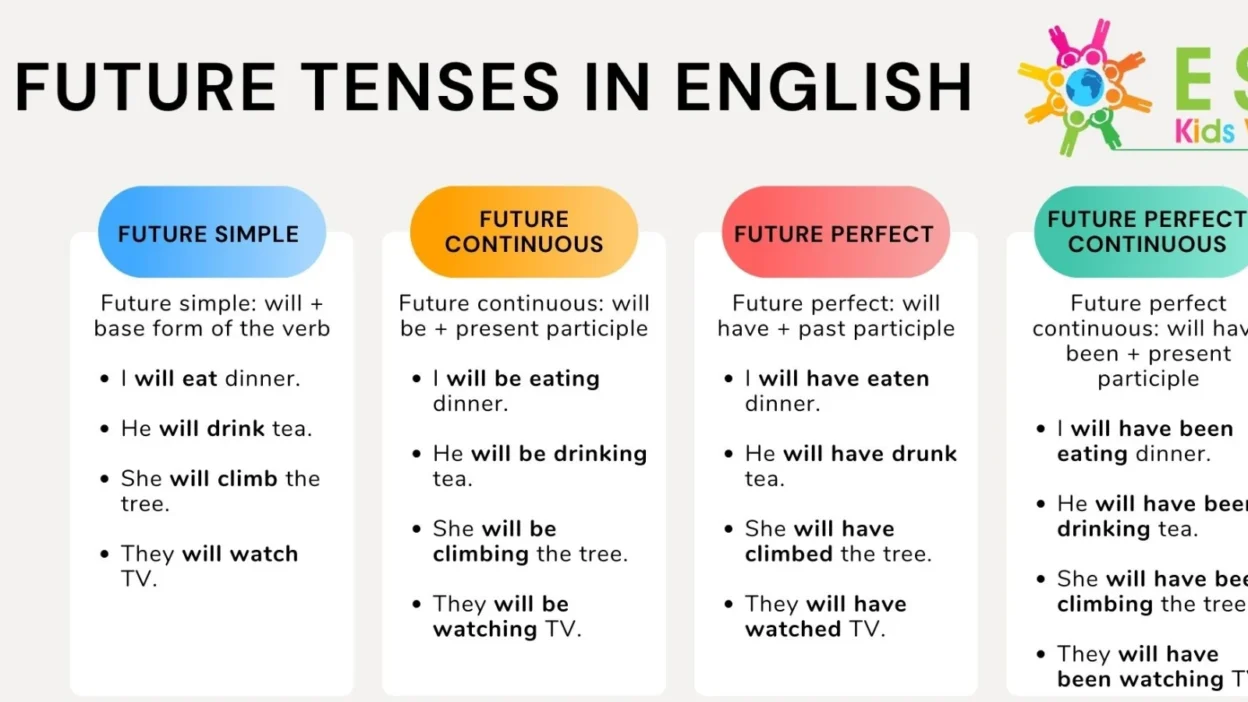
The future tense is used to talk about actions that will happen later. If you want to speak English confidently, you must understand how to talk about the future clearly and correctly.
In this easy guide, you will learn:
- What future tense means
- Different types of future tense
- Simple rules with real-life examples
- Common mistakes learners make
- Practice sentences
- FAQs (People Also Ask style)
This guide is written in simple English, especially for beginner to intermediate learners.
Sorry Generator
What Is Future Tense?
The future tense is used to describe actions that will happen after now.
Simple Definition (Featured Snippet Style)
Future tense shows actions that will happen in the future.
Examples:
- I will call you tomorrow.
- She will start a new job next week.
- We are going to travel next month.
We use future tense when we:
- Make plans
- Make predictions
- Promise something
- Decide something at the moment of speaking
Types of Future Tense in English
There are four main types of future tense:
| Tense Name | Structure | Example |
|---|---|---|
| Simple Future | will + base verb | I will study. |
| Be Going To | am/is/are + going to + verb | She is going to cook. |
| Future Continuous | will be + verb + ing | They will be playing. |
| Future Perfect | will have + past participle | He will have finished. |
Let’s understand each one clearly.
1. Simple Future Tense (Will)
Structure
Examples:
- I will help you.
- She will visit her grandmother.
- They will play football.
When Do We Use “Will”?
We use will for:
✔ Instant decisions
✔ Promises
✔ Offers
✔ Predictions
Real-Life Examples
- Phone ringing: I will answer it.
- Friend is sad: I will help you.
- Weather guess: It will rain tomorrow.
Negative Form
Subject + will not (won’t) + verb
- I will not go.
- She won’t come.
Question Form
Will + subject + verb?
- Will you help me?
- Will they arrive on time?
2. Be Going To (Planned Future)
Structure
Subject + am/is/are + going to + base verb
Examples:
- I am going to study tonight.
- She is going to buy a car.
- We are going to visit Lahore next week.
When Do We Use “Going To”?
✔ Planned actions
✔ Future intentions
✔ Strong predictions (with evidence)
Real-Life Examples
- I already bought tickets. I am going to travel tomorrow.
- Look at those clouds! It is going to rain.
Will vs Going To (Important Difference)
Many learners confuse these two.
| Will | Going To |
|---|---|
| Instant decision | Planned decision |
| Promise | Already decided |
| Simple prediction | Strong evidence |
Example:
- I am tired. I will sleep. (instant decision)
- I am going to sleep at 10 PM. (planned)
3. Future Continuous Tense
Structure
Subject + will be + verb + ing
Examples:
- I will be studying at 8 PM.
- She will be working tomorrow.
- They will be watching a movie.
When Do We Use It?
✔ Action in progress at a future time
✔ Polite questions
Real-Life Example:
- At 9 PM, I will be eating dinner.
- Will you be using the car tonight?
4. Future Perfect Tense
Structure
Subject + will have + past participle
Examples:
- I will have finished my homework.
- She will have completed the project.
- They will have arrived by 5 PM.
When Do We Use It?
✔ Action completed before a future time
Real-Life Example:
- By next year, I will have graduated.
- By 10 PM, she will have cooked dinner.
Time Expressions Used in Future Tense
Common time words:
- Tomorrow
- Next week
- Next year
- Soon
- Later
- In two days
- By 5 PM
Example Sentences:
- I will call you tomorrow.
- She is going to start next month.
- They will arrive in two hours.
Common Mistakes in Future Tense
❌ Mistake 1: Using “will” after “going to”
Wrong: I am going to will study.
Correct: I am going to study.
❌ Mistake 2: Using present tense for future (incorrectly)
Wrong: I go tomorrow.
Correct: I will go tomorrow.
❌ Mistake 3: Forgetting “will” in questions
Wrong: You come tomorrow?
Correct: Will you come tomorrow?
Practice Section (Try Yourself)
Fill in the blanks:
- I ______ call you later.
- She is going to ______ (buy) a dress.
- They will be ______ (play) cricket.
- He will have ______ (finish) the work.
Answers:
- will
- buy
- playing
- finished
Real-Life Conversation Example
Ali: What are your plans for tomorrow?
Sara: I am going to visit my aunt.
Ali: Great! I will call you in the evening.
Sara: Okay! I will be waiting.
This conversation shows different types of future tense used naturally.
Future Tense for Voice Search (Natural Questions)
Many learners ask:
- How do we use future tense in English?
- What is the difference between will and going to?
- How many types of future tense are there?
- When do we use future perfect tense?
Let’s answer them clearly below.
FAQ – People Also Ask
What is future tense in simple words?
Future tense talks about actions that will happen later.
How many types of future tense are there?
There are four main types:
- Simple Future
- Going To
- Future Continuous
- Future Perfect
When do we use “will” in future tense?
We use “will” for:
- Instant decisions
- Promises
- Offers
- Predictions
What is the difference between will and going to?
- Will = decision made now
- Going to = plan already decided
Can we use present tense for future?
Yes, sometimes for fixed schedules:
- The train leaves at 6 PM.
But normally, we use future tense for general future actions.
Quick Summary (Key Takeaways)
✔ Future tense talks about actions that will happen later.
✔ There are four main types.
✔ Use “will” for instant decisions and promises.
✔ Use “going to” for plans.
✔ Practice regularly to improve fluency.
Final Practice Challenge
Make 5 sentences using:
- 2 sentences with will
- 1 sentence with going to
- 1 future continuous
- 1 future perfect
Practice every day to master future tense quickly.
Final Thoughts
Learning the future tense is very important for speaking and writing English clearly. Start with simple rules. Practice daily. Read and listen carefully. Slowly, you will become confident.