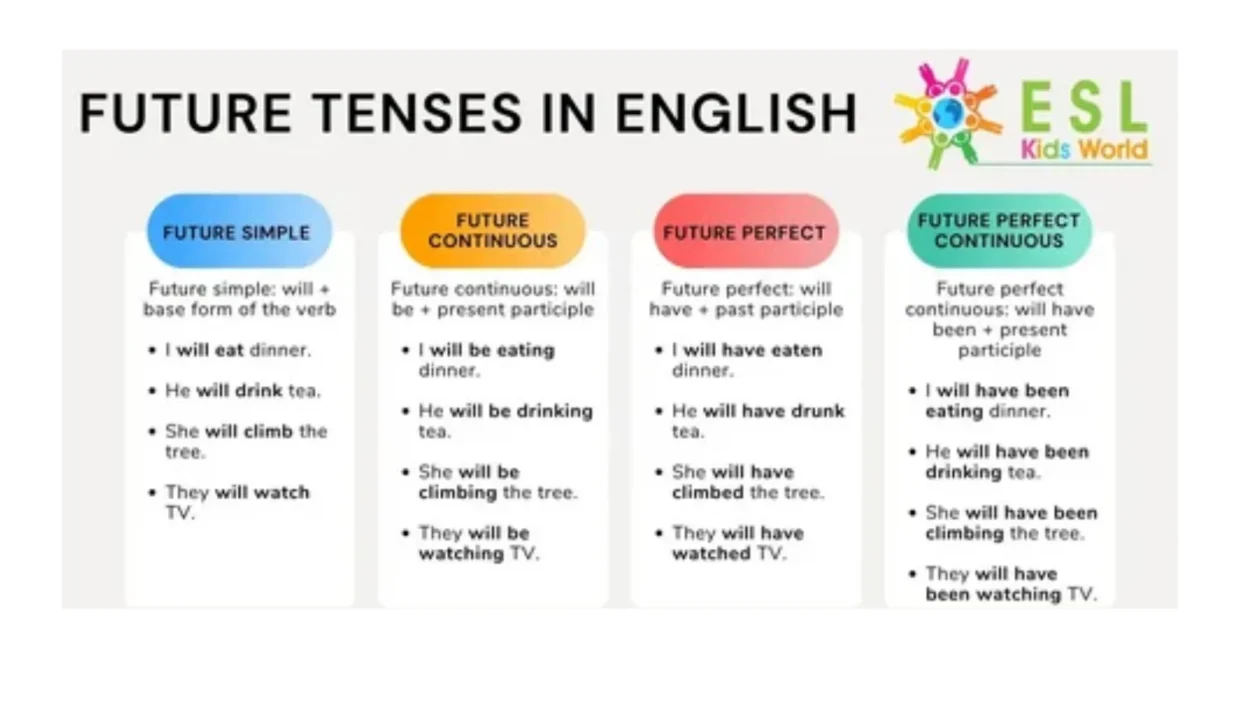
Understanding future tense rules with examples is an important step for anyone learning English. We use the future tense to talk about plans, predictions, promises, decisions, and events that have not happened yet.
The good news?
English future tense rules are easier than they look—once you see clear patterns and real-life examples.
In this complete guide, you will learn:
- What the future tense is
- All main future tense forms
- When to use each form
- Common mistakes learners make
- Practice sentences you can try yourself
This lesson is written in simple, clear English, making it ideal for non-native speakers, beginners, and intermediate learners.
Sorry Generator
What Is the Future Tense in English?
The future tense is used to talk about actions or situations that will happen after now.
Simple idea:
If something has not happened yet, we often use the future tense.
Examples:
- I will travel tomorrow.
- She is going to start a new job.
- They will be studying at 8 PM.
- By next year, he will have finished the course.
English does not have one single future tense. Instead, it uses different structures depending on meaning and situation.
Main Types of Future Tense in English
English has four main future tense forms:
| Future Tense Type | Example |
| Simple Future | I will call you. |
| “Going to” Future | I am going to call you. |
| Future Continuous | I will be calling you. |
| Future Perfect | I will have called you. |
Let’s break them down one by one.
1. Simple Future Tense (Will)
Structure
Subject + will + base verb
Examples:
- I will help you.
- She will arrive soon.
- We will not (won’t) forget this day.
When to Use Simple Future Tense
We use will for:
1. Instant decisions
Decisions made at the moment of speaking.
- Phone is ringing. I will answer it.
- I’m thirsty. I will get some water.
2. Promises
- I will always support you.
- We won’t be late again.
3. Predictions (opinions)
- I think it will rain later.
- She will succeed one day.
4. Offers and requests
- I will help you carry that bag.
- Will you open the window?
Common Mistakes with “Will”
❌ I will going to school tomorrow.
✅ I will go to school tomorrow.
❌ She will to call you.
✅ She will call you.
2. “Going To” Future Tense
Structure
Subject + am/is/are + going to + base verb
Examples:
- I am going to study tonight.
- They are going to buy a new car.
- He is not going to attend the meeting.
When to Use “Going To” Future
1. Planned actions
Plans made before the moment of speaking.
- I am going to visit my parents this weekend.
- She is going to learn English.
2. Strong predictions (based on evidence)
- Look at the clouds! It is going to rain.
- He is very tired. He is going to fall asleep.
“Will” vs “Going To” (Quick Comparison)
| Situation | Correct Choice |
| Instant decision | Will |
| Planned decision | Going to |
| Promise | Will |
| Evidence-based prediction | Going to |
3. Future Continuous Tense
Structure
Subject + will be + verb-ing
Examples:
- I will be working at 9 AM.
- She will be studying all night.
- They will not be waiting for long.
When to Use Future Continuous
1. Action in progress at a future time
- At 8 PM, I will be watching TV.
- Tomorrow morning, she will be flying to Paris.
2. Polite questions
- Will you be using the computer later?
- Will she be joining us for dinner?
This form sounds softer and more polite than simple future.
Common Mistakes
❌ I will working tomorrow.
✅ I will be working tomorrow.
4. Future Perfect Tense
Structure
Subject + will have + past participle
Examples:
- I will have finished my homework by 7 PM.
- She will have left before you arrive.
- They will not have completed the project yet.
When to Use Future Perfect
Use this tense when an action will be completed before a specific future time.
- By next year, I will have graduated.
- By 10 AM, he will have cleaned the house.
Time Expressions Often Used
- By tomorrow
- By next week
- By the time
- Before + future time
Future Tense Time Words You Should Know
Time expressions help signal future tense:
- Tomorrow
- Next week / next month / next year
- Soon
- Later
- In two days
- By tonight
Example:
- We will meet tomorrow.
- She is going to call later.
Using Present Tense for the Future (Important Tip)
English sometimes uses present tense for future meaning.
1. Present Continuous (for fixed plans)
- I am meeting my teacher tomorrow.
- They are traveling next week.
2. Simple Present (for schedules)
- The train leaves at 6 AM.
- School starts on Monday.
This is very common in real-life English.
Common Future Tense Mistakes (And Fixes)
Mistake 1: Using “will” for all futures
❌ I will go to the doctor tomorrow (planned earlier).
✅ I am going to go to the doctor tomorrow.
Mistake 2: Forgetting auxiliary verbs
❌ She going to travel.
✅ She is going to travel.
Mistake 3: Wrong verb form
❌ I will went home.
✅ I will go home.
Practice Sentences (Try Yourself)
Fill in the blanks:
- I ______ (call) you later.
- She ______ (study) medicine next year.
- At 9 PM, we ______ (watch) a movie.
- By tomorrow, he ______ (finish) the report.
Possible Answers:
- will call
- is going to study
- will be watching
- will have finished
FAQ: Future Tense Rules (People Also Ask)
What are the rules for future tense in English?
Future tense rules depend on meaning. Use will for instant decisions and promises, going to for plans, and other forms for specific situations.
When should I use “will” vs “going to”?
Use will for spontaneous decisions and promises. Use going to for plans made earlier or strong predictions.
Is future tense difficult for beginners?
No. Once you learn the main patterns and practice examples, future tense becomes easy and natural.
Can present tense talk about the future?
Yes. English often uses present continuous and simple present for future plans and schedules.
Quick Summary: Key Takeaways
- English has multiple future tense forms
- Will = instant decisions, promises
- Going to = plans, evidence-based predictions
- Future continuous = action in progress
- Future perfect = completed before a future time
- Present tense is often used for future meaning
- Context matters more than strict rules
Final Thoughts
Learning future tense rules with examples helps you speak English more clearly and confidently. Don’t try to memorize everything at once. Start with will and going to, then slowly add other forms as you practice.
Next step: Try writing 5 sentences about your plans for next week using different future tenses.
If you want to explore more grammar topic