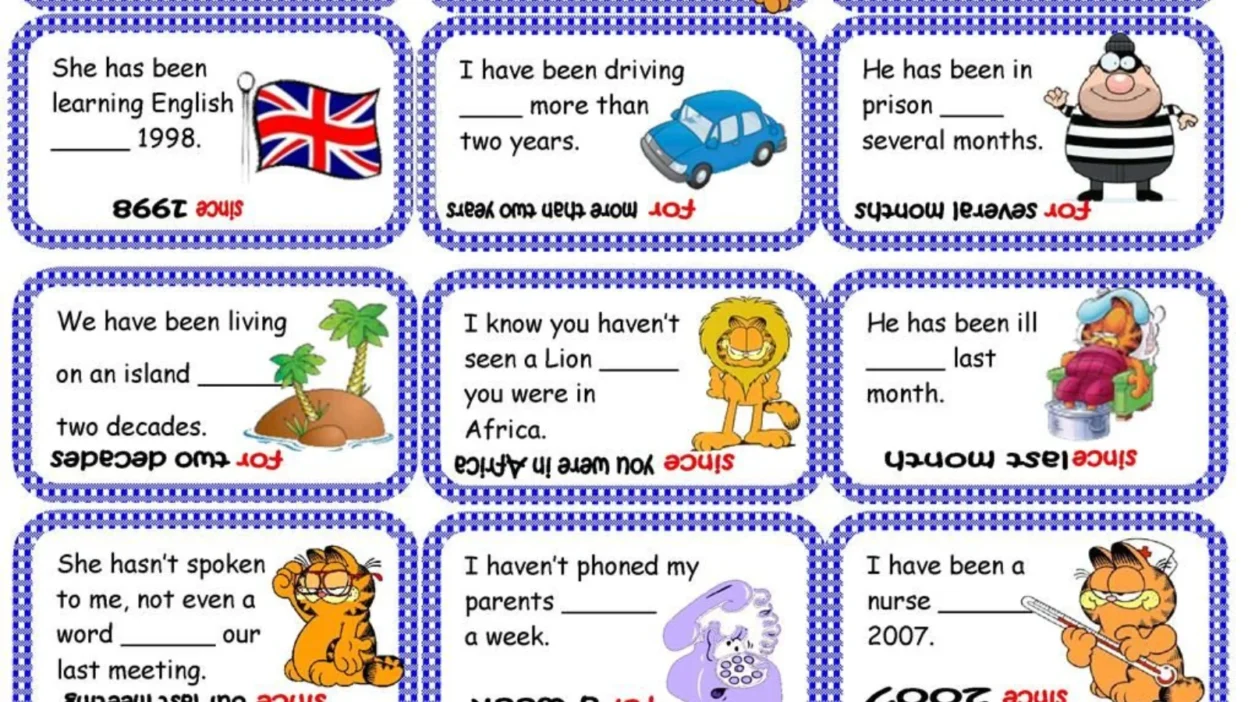
Learning English grammar can feel confusing at first. Many learners worry about rules, tenses, and sentence structure. The good news? You don’t need perfect grammar to start improving.
This grammar test for beginners is designed to help you check your basic English skills, understand common rules, and practice step by step. It is perfect for beginner to intermediate learners, especially non-native speakers.
You will find:
- Simple explanations
- Real-life examples
- Practice sentences
- Common mistakes to avoid
Let’s begin with the basics and build confidence together.
Sorry Generator
What Is a Grammar Test for Beginners?
A grammar test for beginners checks your understanding of basic English grammar rules. It focuses on how English works in everyday situations, not complex grammar theory.
These tests usually cover:
- Sentence structure
- Verb tenses (present, past, future)
- Articles (a, an, the)
- Pronouns
- Prepositions
- Basic punctuation
A beginner grammar test helps you:
- Find your weak areas
- Practice correct sentence formation
- Improve speaking, reading, and writing
Who Should Take a Beginner Grammar Test?
This type of grammar test is ideal for:
- English learners at A1–A2 level
- Students preparing for school exams
- Adults learning English for work or travel
- Anyone who wants to review English basics
If you can understand simple sentences but still make mistakes, this grammar test is for you.
Basic Sentence Structure (Subject + Verb + Object)
In English, most sentences follow this pattern:
Subject + Verb + Object
Examples
- I eat rice.
- She likes coffee.
- They play football.
Common Mistakes
❌ Eat I rice.
❌ She coffee likes.
✔️ Correct word order is very important in English.
Grammar Test for Beginners: Articles (A, An, The)
Articles are small words, but they are very important.
A / An
Use a or an with singular countable nouns.
- a → before consonant sounds
- an → before vowel sounds
Examples:
- a book
- a dog
- an apple
- an hour
The
Use the when:
- The listener knows the thing
- There is only one
Examples:
- the sun
- the teacher
- the book on the table
Practice
Choose the correct answer:
- I have ___ umbrella.
- She is ___ teacher.
Answers:
- an
- a
Present Simple Tense (Daily Actions)
The present simple tense is used for:
- Daily routines
- Facts
- Habits
Structure
- I / You / We / They + base verb
- He / She / It + verb + s
Examples
- I work in an office.
- She works in a hospital.
- They live in London.
Common Mistakes
❌ She work every day.
✔️ She works every day.
Past Simple Tense (Finished Actions)
Use the past simple for actions that are finished.
Regular Verbs
Add -ed
- work → worked
- play → played
Irregular Verbs
Change the verb form:
- go → went
- eat → ate
- see → saw
Examples
- I visited my friend yesterday.
- She went to school last week.
Practice
Fill in the blank:
- Yesterday, I ___ (eat) pizza.
Answer: ate
Future Tense with “Will”
Use will to talk about future plans or decisions made now.
Structure
Examples
- I will call you later.
- They will travel tomorrow.
Common Mistakes
❌ I will to call you.
✔️ I will call you.
Pronouns (I, You, He, She, It, They)
Pronouns replace nouns to avoid repetition.
Subject Pronouns
| Pronoun | Example |
| I | I am happy |
| You | You are kind |
| He | He is tall |
| She | She likes tea |
| It | It is cold |
| They | They are here |
Common Mistakes
❌ Me am tired.
✔️ I am tired.
Prepositions of Place (In, On, At)
Prepositions show location.
In
- in a room
- in a city
On
- on the table
- on the wall
At
- at the door
- at school
Examples
- The keys are on the table.
- She is at home.
Grammar Test for Beginners: Practice Questions
Choose the Correct Answer
- She ___ coffee every morning.
a) drink
b) drinks
c) drinking - We ___ a movie last night.
a) watch
b) watched
c) watching - There is ___ apple on the table.
a) a
b) an
c) the
Answers:
- b
- b
- b
Common Grammar Mistakes Beginners Make
Here are mistakes many learners make — and how to fix them.
1. Missing “s” in third person
❌ He play football.
✔️ He plays football.
2. Wrong word order
❌ Like I coffee.
✔️ I like coffee.
3. Using wrong tense
❌ Yesterday I go home.
✔️ Yesterday I went home.
4. Forgetting articles
❌ She has cat.
✔️ She has a cat.
Real-Life Grammar Examples
At Work
- I work from 9 to 5.
- My boss is kind.
At Home
- I cook dinner every day.
- The TV is on the table.
While Traveling
- I will visit Paris.
- The hotel is near the station.
How Often Should Beginners Practice Grammar?
Short, regular practice works best.
Recommended routine:
- 15–20 minutes per day
- One grammar topic at a time
- Practice speaking and writing
Grammar improves faster when used in real sentences.
Grammar Test for Beginners: FAQ (People Also Ask)
What is the best grammar test for beginners?
The best grammar test for beginners focuses on basic tenses, sentence structure, and common daily expressions with simple explanations.
How can I check my English grammar level?
You can check your level by taking a beginner grammar test and seeing how well you understand basic rules and examples.
Is English grammar hard for beginners?
English grammar is not hard if you learn step by step and practice regularly with real-life examples.
How long does it take to learn basic English grammar?
Most learners can understand basic grammar rules in 2–3 months with daily practice.
Should beginners memorize grammar rules?
Beginners should understand rules, not memorize everything. Practice with examples is more effective.
Quick Summary: Key Takeaways
- A grammar test for beginners helps you check basic English skills
- Focus on sentence structure, tenses, and articles
- Practice daily with short exercises
- Learn from mistakes and real-life examples
- Grammar improves with use, not perfection
Final Thoughts & Next Steps
Learning English grammar is a journey, not a race. This grammar test for beginners is your starting point to build strong foundations.