
Learning English grammar can feel confusing once you move past the basics. At the intermediate level, you already know simple tenses and sentence structures—but now you need more accuracy, confidence, and flexibility.
This guide to intermediate grammar exercises is designed for beginner-to-intermediate learners who want clear explanations, real-life examples, and practical practice. Everything is written in simple, clear English, with short sections you can easily read and review.
Whether you are studying for work, travel, exams, or daily communication, these exercises will help you use grammar naturally, not just understand rules.
Sorry Generator
What Are Intermediate Grammar Exercises?
Intermediate grammar exercises help learners move from basic English to more natural, correct, and confident communication.
At this level, you focus on:
- Using grammar accurately
- Understanding meaning and context
- Avoiding common learner mistakes
- Speaking and writing more naturally
Skills You Practice at the Intermediate Level
| Skill | What It Means |
| Accuracy | Fewer grammar mistakes |
| Clarity | Clear ideas and sentences |
| Variety | More sentence structures |
| Confidence | Less hesitation when speaking |
Why Intermediate Grammar Is Important
Many learners stop improving because they:
- Understand grammar but don’t use it correctly
- Speak fluently but make repeated mistakes
- Know rules but forget them in real situations
Intermediate grammar exercises solve these problems by helping you practice grammar in context, not isolation.
Key Grammar Topics for Intermediate Learners
Below are the most important grammar areas you should practice regularly.
Verb Tenses Review (Beyond the Basics)
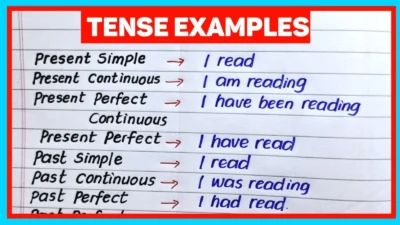
At the intermediate level, you already know basic tenses. Now it’s time to compare and choose the correct tense.
Present Perfect vs Past Simple
Present Perfect
- Used for experiences and results
- Time is not specific
Past Simple
- Used for finished actions
- Time is clear
Examples:
- I have visited Paris. (experience)
- I visited Paris in 2022. (specific time)
Practice Sentence:
- I ____ (see) that movie already.
✅ Correct: have seen
Common Mistake ❌
- I have seen him yesterday.
✅ Correct:
- I saw him yesterday.
Conditionals (Real and Unreal Situations)
Conditionals help you talk about possibilities, advice, and imagination.
Zero Conditional (Facts)
Structure:
If + present simple, present simple
Example:
- If you heat ice, it melts.
First Conditional (Real Future)
Example:
- If it rains, I will stay home.
Second Conditional (Unreal / Imaginary)
Example:
- If I had more time, I would travel more.
Practice:
- If I ____ (be) you, I would study more.
✅ Correct: were
Modal Verbs for Polite and Natural English
Modal verbs help you sound polite, natural, and confident.
Common Intermediate Modals
| Modal | Use | Example |
| might | possibility | It might rain |
| should | advice | You should rest |
| must | strong rule | You must wear a seatbelt |
| could | polite request | Could you help me? |
Common Mistake ❌
- You must to finish.
✅ Correct:
- You must finish.
Passive Voice (When the Action Matters)
The passive voice is common in news, formal writing, and explanations.
Active vs Passive
- Active: They built the bridge.
- Passive: The bridge was built.
Structure:
Object + be + past participle
Practice:
- The email ____ (send) yesterday.
✅ Correct: was sent
Relative Clauses (Adding Information Clearly)
Relative clauses help you combine ideas smoothly.
Who, Which, That, Where
Examples:
- The man who lives next door is a teacher.
- This is the book that I told you about.
- The café where we met is closed.
Common Mistake ❌
- The person which called me…
✅ Correct:
- The person who called me…
Gerunds and Infinitives (A Common Challenge)
Some verbs are followed by -ing, others by to + verb.
Common Patterns
| Verb | Form | Example |
| enjoy | -ing | I enjoy reading |
| want | to + verb | I want to learn |
| avoid | -ing | Avoid making mistakes |
| decide | to + verb | I decided to stay |
Practice:
- She enjoys ____ (cook).
✅ Correct: cooking
Comparatives and Superlatives (More Natural Descriptions)
At the intermediate level, you should compare things accurately and smoothly.
Examples
- fast → faster → fastest
- interesting → more interesting → most interesting
Practice:
- This lesson is ____ (easy) than the last one.
✅ Correct: easier
Prepositions in Context
Prepositions are small words, but they cause many mistakes.
Common Preposition Examples
- interested in
- good at
- afraid of
- responsible for
Common Mistake ❌
- She is good in English.
✅ Correct:
- She is good at English.
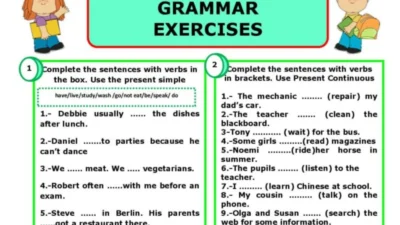
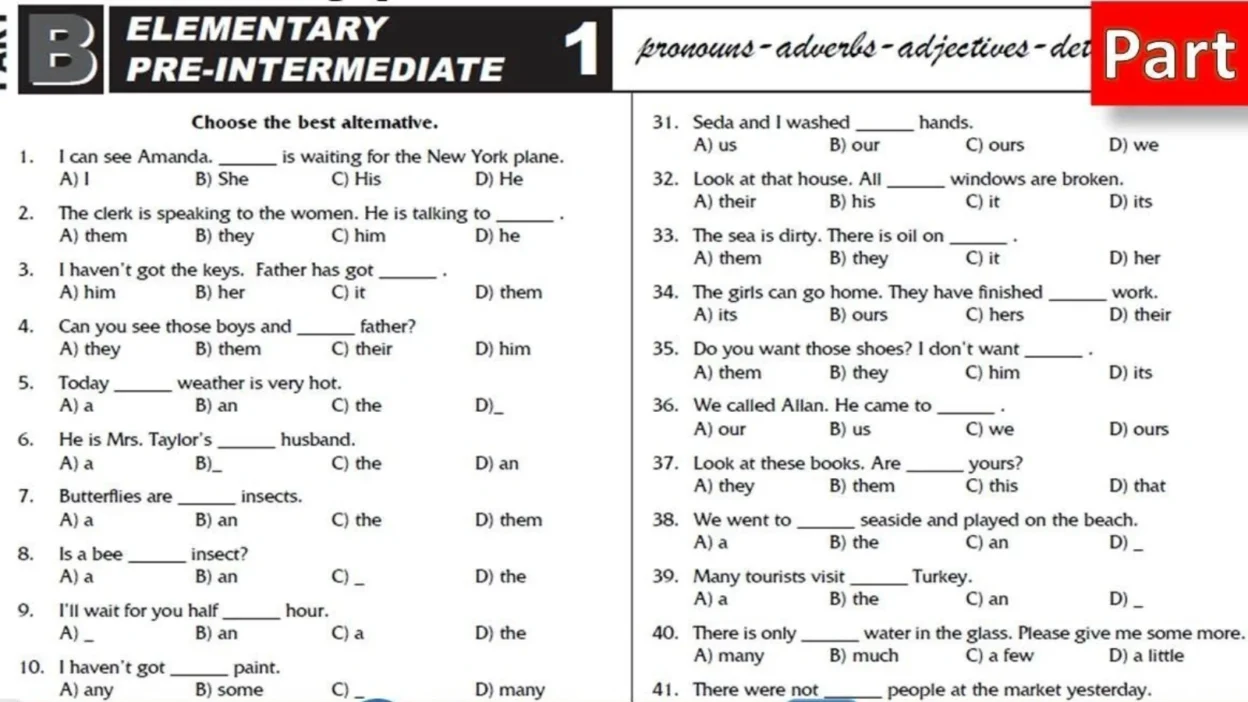
Intermediate Grammar Exercises (Practice Section)
These exercises help you apply what you learned.
Exercise 1: Choose the Correct Option
- If I ____ more money, I would buy a car.
a) have
b) had
c) will have
✅ Answer: b
Exercise 2: Fix the Mistake
❌ She didn’t knew the answer.
✅ Correct:
- She didn’t know the answer.
Exercise 3: Complete the Sentence
- The report ____ (finish) by the team yesterday.
✅ Answer: was finished
Common Grammar Mistakes at the Intermediate Level
Here are mistakes many learners make—and how to fix them.
1. Mixing Tenses
❌ I am living here since 2020.
✅ I have lived here since 2020.
2. Overusing Basic Structures
❌ I like it very much very much.
✅ I like it a lot.
3. Word Order Problems
❌ She always is late.
✅ She is always late.
Tips to Improve Faster with Grammar Exercises
- Practice a little every day
- Focus on one grammar point at a time
- Say sentences out loud
- Write short texts and review mistakes
- Use grammar in real conversations
FAQ: Intermediate Grammar Exercises (People Also Ask)
What level is intermediate grammar?
Intermediate grammar is for learners who understand basic English but want to improve accuracy, fluency, and sentence variety.
How often should I practice grammar?
Short daily practice (10–20 minutes) is more effective than long, irregular study sessions.
Are grammar exercises enough to improve English?
Grammar exercises help a lot, but you should also practice speaking, listening, reading, and writing.
Why do I still make grammar mistakes?
Mistakes are normal. At the intermediate level, your goal is fewer mistakes, not perfection.
Can beginners use intermediate grammar exercises?
Yes, motivated beginners can try simple intermediate exercises with clear explanations.
Key Takeaways
- Intermediate grammar exercises help you move from basic to confident English
- Focus on tense choice, conditionals, modals, and sentence structure
- Practice grammar in real-life examples, not only rules
- Mistakes are part of learning—use them to improve
Final Thought (Soft CTA)
Improving grammar takes time, but every small step matters. Practice these intermediate grammar exercises regularly, and you’ll notice clearer sentences, better confidence, and more natural English.