
Sorry Generator
Introduction: What Are Nouns in English?
Nouns in English are one of the most important parts of grammar. Every sentence you speak or write usually has a noun. If you want to talk about people, places, things, or ideas, you need nouns.
In very simple words, a noun is a naming word.
For example:
Ali is a student.
Karachi is a big city.
Honesty is important.
In this complete guide, you will learn nouns in English step by step. This lesson is written in simple, clear English for beginner to intermediate learners. You will also find real-life examples, tables, practice sentences, common mistakes, and FAQs.
What Is a Noun? (Basic Definition)
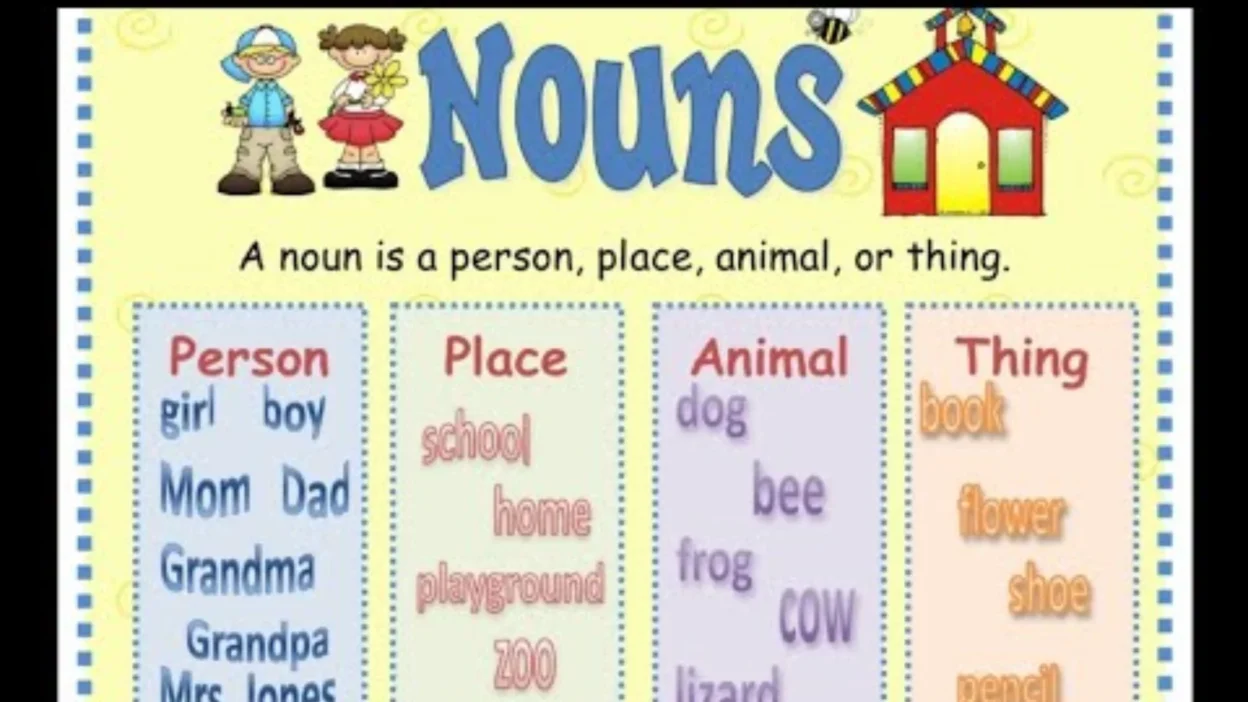
A noun is a word that names:
- A person
- A place
- A thing
- An animal
- An idea or feeling
Easy Examples
- Person: teacher, doctor, Ali
- Place: school, park, Pakistan
- Thing: book, phone, chair
- Animal: cat, dog, bird
- Idea: love, honesty, happiness
👉 Tip for beginners:
If you can see it, touch it, or think about it, it is often a noun.
Why Are Nouns Important in English?
Nouns are important because:
- They are the subject of a sentence
- They can be the object of a sentence
- Without nouns, sentences are incomplete
Example:
❌ Is reading. (Wrong – no noun)
✅ The boy is reading. (Correct)
Types of Nouns in English
There are many types of nouns in English. Let’s understand them one by one with simple explanations and examples.
Common Nouns
Common nouns are general names. They do not start with capital letters (unless at the beginning of a sentence).
Examples
- boy
- city
- country
- teacher
- car
Sentence Examples
- The boy is playing.
- She lives in a big city.
- My teacher is kind.
Proper Nouns
Proper nouns are special names of specific people, places, or things. They always start with a capital letter.
Examples
- Ali
- Lahore
- Pakistan
- Monday
- English
Sentence Examples
- Ali is my friend.
- I live in Pakistan.
- We study English.
👉 Common mistake:
❌ i live in pakistan
✅ I live in Pakistan
Common Nouns vs Proper Nouns (Table)
| Common Noun | Proper Noun |
| boy | Ali |
| city | Karachi |
| country | Pakistan |
| day | Friday |
| language | English |
Concrete Nouns
Concrete nouns are things you can see, touch, hear, smell, or taste.
Examples
- apple
- chair
- phone
- water
- music
Sentence Examples
- I have an apple.
- The chair is broken.
- She drinks water.
Abstract Nouns
Abstract nouns are things you cannot see or touch. They are ideas, feelings, or qualities.
Examples
- love
- honesty
- happiness
- anger
- courage
Sentence Examples
- Honesty is the best policy.
- Happiness is important in life.
- He showed great courage.
👉 Easy trick:
If you cannot touch it, it may be an abstract noun.
Concrete vs Abstract Nouns (Table)
| Concrete Noun | Abstract Noun |
| book | knowledge |
| food | hunger |
| phone | communication |
| teacher | wisdom |
Countable Nouns
Countable nouns can be counted. They have singular and plural forms.
Examples
- one book, two books
- one pen, three pens
- one student, many students
Sentence Examples
- I have two books.
- There are five students in the room.
Uncountable Nouns
Uncountable nouns cannot be counted individually. They usually do not have plural forms.
Examples
- water
- milk
- sugar
- rice
- information
Sentence Examples
- I need some water.
- She gave me useful information.
👉 Common mistake:
❌ informations
✅ information
Countable vs Uncountable Nouns (Table)
| Countable | Uncountable |
| apple | water |
| chair | furniture |
| book | knowledge |
| student | advice |
Singular and Plural Nouns
Singular Nouns
Talk about one person or thing.
- book
- boy
- cat
Plural Nouns
Talk about more than one.
- books
- boys
- cats
Regular Plural Examples
- book → books
- pen → pens
Irregular Plural Examples
- man → men
- child → children
- foot → feet
Collective Nouns
Collective nouns name a group of people or things.
Examples
- team
- family
- class
- group
- crowd
Sentence Examples
- My family is happy.
- The team won the match.
- Our class is large.
Possessive Nouns
Possessive nouns show ownership. We usually add ’s.
Examples
- Ali’s book
- the girl’s bag
- the teacher’s chair
Sentence Examples
- This is Ali’s pen.
- The boy’s shoes are new.
Nouns Used as Subjects and Objects
Noun as Subject
The noun does the action.
Example:
- The dog is barking.
Noun as Object
The noun receives the action.
Example:
- She reads a book.
Real-Life Examples of Nouns in English
Daily life sentences:
- My mother cooks food.
- I go to school every day.
- My phone is new.
- Time is precious.
- Friendship is beautiful.
Common Mistakes with Nouns in English
1. Capitalization Errors
❌ i love english
✅ I love English
2. Using Plural with Uncountable Nouns
❌ advices
✅ advice
3. Forgetting Articles
❌ I have pen
✅ I have a pen
4. Confusing Abstract and Concrete Nouns
❌ I touched happiness
✅ I felt happiness
Practice Sentences (Try Yourself)
Fill in the blanks:
- My ______ is very kind. (teacher / honesty)
- I drink ______ every morning. (milk / milks)
- ______ is my best friend. (Ali / boy)
- She has two ______. (book / books)
👉 Answers:
- teacher
- milk
- Ali
- books
Featured Snippet Example: Definition
What are nouns in English?
Nouns in English are words that name people, places, things, animals, or ideas. Examples include boy, city, book, and happiness.
FAQ: Nouns in English (People Also Ask)
What is a noun in simple words?
A noun is a naming word. It names a person, place, thing, or idea.
How many types of nouns are there in English?
There are many types, but common ones include common nouns, proper nouns, concrete nouns, abstract nouns, countable and uncountable nouns.
Is “water” a noun?
Yes, “water” is a noun. It is an uncountable noun.
Is “love” a noun or verb?
“Love” can be both. As a noun, it means a feeling. As a verb, it means an action.
Why are nouns important in English grammar?
Nouns are important because they help us name things and make complete sentences.
Key Takeaways: Nouns in English
- Nouns are naming words
- They name people, places, things, and ideas
- There are different types of nouns in English
- Proper nouns start with capital letters
- Some nouns are countable, others are uncountable
- Learning nouns helps you speak and write better English
Final Thoughts & Soft CTA
Understanding nouns in English is the first big step toward strong grammar. Practice daily, notice nouns in your surroundings, and use them in simple sentences.