
Sorry Generator
Introduction to Passive Voice
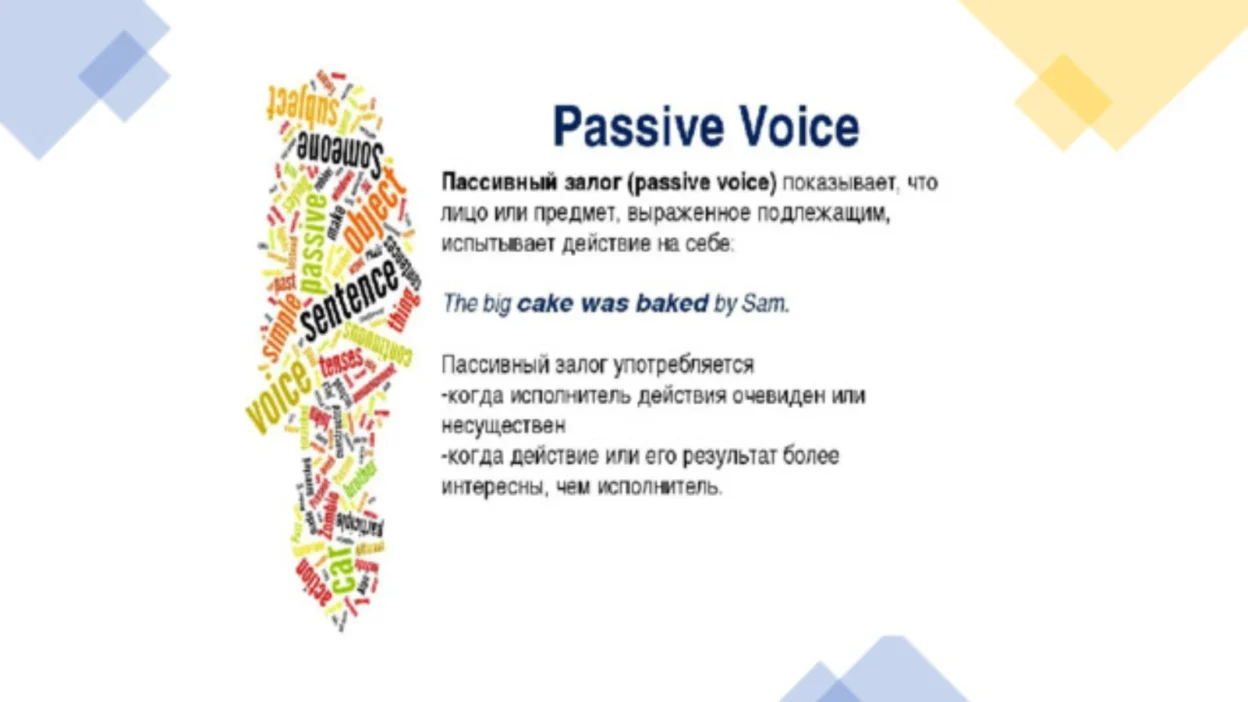
Passive voice is a way of writing sentences where the action is more important than the person doing the action.
In English grammar, sentences usually follow this order:
Subject + Verb + Object
Example (Active Voice):
Ali wrote a letter.
But in Passive voice, the object becomes the subject.
Example (Passive Voice):
A letter was written by Ali.
Passive voice is commonly used in:
- School writing
- Formal English
- Reports
- News articles
- Instructions
- Scientific writing
This guide explains passive voice in simple English, with clear examples and practice sentences.
What is Passive Voice?
Passive voice is used when the doer of the action is unknown, unimportant, or obvious.
Active vs Passive Voice
| Active Voice | Passive Voice |
|---|---|
| She cooks food. | Food is cooked by her. |
| He cleaned the room. | The room was cleaned by him. |
| They built a house. | A house was built by them. |
Basic Passive Voice Formula
Object + form of “be” + Past Participle + by + Subject
Example:
The cake was eaten by Sara.
Breakdown:
| Part | Example |
|---|---|
| Object becomes subject | The cake |
| Verb “be” | was |
| Past participle | eaten |
| Doer | by Sara |
Passive Voice Rules (Step-by-Step)
Step 1: Find the Object
Active:
Ahmad repaired the car.
Object = the car
Passive:
The car was repaired by Ahmad.
Step 2: Choose Correct Form of “Be”
| Tense | Be Form |
|---|---|
| Present Simple | am / is / are |
| Past Simple | was / were |
| Future | will be |
| Present Continuous | is being |
| Present Perfect | has been |
Example:
Active:
She writes a letter.
Passive:
A letter is written by her.
Step 3: Use Past Participle
| Verb | Past Participle |
|---|---|
| Write | Written |
| Eat | Eaten |
| Make | Made |
| Clean | Cleaned |
| Build | Built |
Example:
Active:
He made tea.
Passive:
Tea was made by him.
Passive Voice in Different Tenses
Present Simple Passive
Structure:
Subject + is/am/are + past participle
Examples:
- Rice is grown in Pakistan.
- English is spoken worldwide.
- Homework is done every day.
Past Simple Passive
Structure:
Subject + was/were + past participle
Examples:
- The door was opened.
- The match was played yesterday.
- The book was written in 1990.
Future Passive
Structure:
Subject + will be + past participle
Examples:
- The work will be finished tomorrow.
- The test will be taken next week.
- Dinner will be prepared soon.
Present Continuous Passive
Structure:
Subject + is/am/are being + past participle
Examples:
- The road is being repaired.
- The house is being painted.
- Food is being cooked.
Present Perfect Passive
Structure:
Subject + has/have been + past participle
Examples:
- The homework has been completed.
- The room has been cleaned.
- The project has been finished.
When to Use Passive Voice
Passive voice is useful in many situations.
1. When the Doer is Unknown
Example:
My bike was stolen.
(We don’t know who stole it.)
2. When the Doer is Not Important
Example:
The road was repaired.
(It doesn’t matter who repaired it.)
3. Formal Writing
Example:
The experiment was completed successfully.
4. Instructions and Rules
Example:
- Shoes must be removed.
- Mobile phones are not allowed.
5. News Reports
Example:
A new school was opened yesterday.
Real-Life Passive Voice Examples
At School
Homework is checked every day.
In March, exams are conducted.
English is taught to the students.
At Home
Food is cooked daily.
Every morning, the floor is cleaned.
On Sunday, clothes are washed.
At Work
Emails are sent daily.
Weekly reports are prepared by the staff.
Regular meetings are arranged by the manager.
This version:
- Avoids repeating the same starting word
- Sounds more natural
- Keeps the passive voice structure correct.
How to Change Active to Passive Voice
Example 1
Active:
She washed the clothes.
Step-by-step:
- Object → clothes
- Verb → washed
- Be form → were
Passive:
The clothes were washed by her.
Example 2
Active:
They built a bridge.
Passive:
A bridge was built by them.
Example 3
Active:
He will finish the work.
Passive:
The work will be finished by him.
Common Passive Voice Mistakes
Mistake 1: Wrong Verb Form
Incorrect:
The food is cook by her.
Correct:
The food is cooked by her.
Mistake 2: Missing “Be” Verb
Incorrect:
The room cleaned by Ali.
Correct:
The room was cleaned by Ali.
Mistake 3: Using Passive Too Much
Incorrect:
The book was read by me and then it was placed on the table by me.
Better:
I read the book and placed it on the table.
Mistake 4: Wrong Subject
Incorrect:
Was repaired the car by Ali.
Correct:
The car was repaired by Ali.
Passive Voice Practice Sentences
Change to passive voice.
- She writes a story.
- They clean the park.
- He repaired the bike.
- We will paint the house.
- The teacher explains the lesson.
Answers
- A story is written by her.
- The park is cleaned by them.
- The bike was repaired by him.
- The house will be painted by us.
- The lesson is explained by the teacher.
Passive Voice Example Block (Featured Snippet Ready)
What is passive voice?
Passive voice is a sentence structure where the object receives the action, and the doer may be mentioned or not.
Example:
Active:
The chef cooked the meal.
Passive:
The meal was cooked by the chef.
Structure:
Object + be verb + past participle
Passive Voice FAQs (People Also Ask)
What is passive voice in simple words?
Passive voice is when the action happens to the subject.
Example:
The ball was kicked by Ali.
How do you identify passive voice?
Look for:
- A form of be (is, was, were, been)
- A past participle verb
Example:
The door was closed.
Why do we use passive voice?
We use passive voice when:
- The doer is unknown
- The doer is not important
- The writing is formal
Is passive voice bad?
No. Passive voice is useful in:
- Reports
- News
- Academic writing
But too much passive voice can make writing unclear.
How can I learn passive voice fast?
Best ways:
- Practice daily
- Change active sentences to passive
- Read English articles
- Write simple sentences
Quick Summary (Key Takeaways)
- Passive voice focuses on the action, not the doer.
- Structure:
Object + be verb + past participle
- Common forms:
| Tense | Example |
|---|---|
| Present | The room is cleaned |
| Past | The room was cleaned |
| Future | The room will be cleaned |
| Perfect | The room has been cleaned |
- Passive voice is used in:
- Formal writing
- Instructions
- News
- Reports
Final Practice Tip
The best way to master passive voice is to practice converting active sentences into passive sentences every day.