
Understanding past tense rules in English is one of the most important steps in learning the language. We use the past tense to talk about things that already happened — yesterday, last year, five minutes ago, or long ago.
If you have ever wondered:
- Why is it “went” and not “goed”?
- When do I use “was” or “were”?
- Why does English have so many exceptions?
You are not alone. This guide explains English grammar in simple words, with real-life examples, clear tables, and common mistakes to avoid. It is written especially for beginner to intermediate learners and optimized for modern AI and voice search.
Sorry Generator
What Is the Past Tense in English? (Simple Explanation)
The past tense is used to describe:
- Actions that finished in the past
- Events that happened at a specific time
- Situations that were true before but not now
Examples:
- I ate breakfast at 7 a.m.
- She watched a movie last night.
- They lived in Canada in 2015.
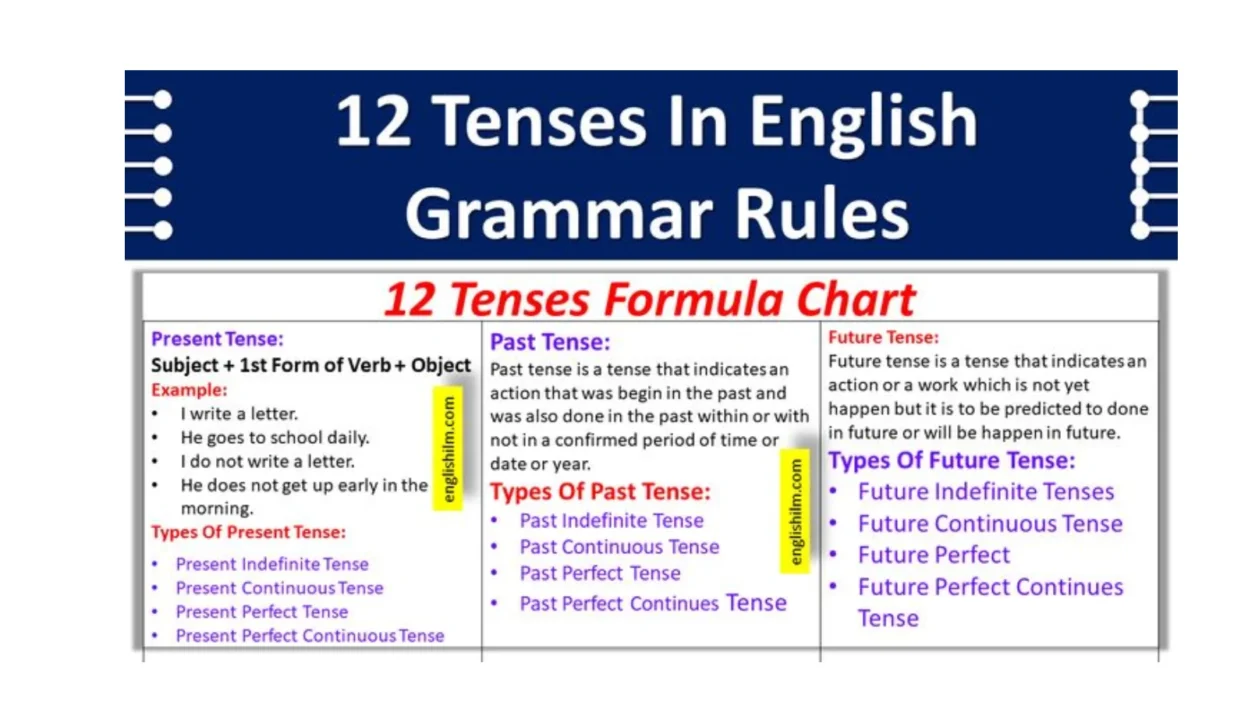
In English, the past tense usually appears in three main forms:
- Simple Past
- Past Continuous
- Past Perfect
This article focuses mainly on the Simple Past, because it is the foundation of all past tense rules in English.
Simple Past Tense: The Core of Past Tense Rules in English
The Simple Past Tense is used for:
- Completed actions
- Actions with a clear past time
Formula:
Subject + past form of verb
Examples:
- I worked yesterday.
- He called his mother.
- We finished the project.
Regular Verbs in the Past Tense (Easy Rule)
Most English verbs are regular verbs. They form the past tense by adding -ed.
Rule:
- Base verb + -ed
Examples:
- work → worked
- play → played
- clean → cleaned
Common Spelling Rules for -ed
| Verb Ending | Rule | Example |
| ends in e | add -d | live → lived |
| short vowel + consonant | double consonant + ed | stop → stopped |
| ends in y (consonant before y) | y → ied | study → studied |
Example Sentences:
- She studied English last night.
- We stopped the car suddenly.
- He lived here before.
Irregular Verbs: The Tricky Part of Past Tense Rules in English
Irregular verbs do not follow the -ed rule. You must memorize them.
Common Irregular Verbs Table
| Base Verb | Past Tense |
| go | went |
| eat | ate |
| see | saw |
| take | took |
| come | came |
| make | made |
| buy | bought |
Example Sentences:
- I went to the store.
- She ate rice for dinner.
- They saw a beautiful sunset.
👉 Tip: Learn irregular verbs in small groups, not all at once.
Using Time Words with the Past Tense
Time expressions help listeners know when something happened.
Common Past Time Words:
- yesterday
- last night / last week / last year
- two days ago
- in 2010
- when I was a child
Examples:
- I met him yesterday.
- We traveled to Japan last year.
- She called me two hours ago.
Negative Sentences in the Past Tense
To make a negative sentence in the simple past, we use:
Formula:
Subject + did not (didn’t) + base verb
⚠️ Important: The verb goes back to the base form.
Examples:
- I did not eat breakfast.
- She didn’t go to school.
- We did not understand the lesson.
❌ Incorrect: She didn’t went home
✅ Correct: She didn’t go home
Questions in the Past Tense (Very Important!)
Yes/No Questions
Did + subject + base verb?
Examples:
- Did you finish your homework?
- Did she call you?
- Did they arrive on time?
Wh- Questions
Wh-word + did + subject + base verb?
Examples:
- Where did you go?
- What did he say?
- Why did they leave early?
Past Tense of “Be”: Was and Were
The verb “be” is special. It does not use did.
Forms:
| Subject | Past Form |
| I | was |
| He / She / It | was |
| You / We / They | were |
Examples:
- I was tired yesterday.
- She was happy.
- They were late.
Negative:
- I was not (wasn’t) ready.
- They were not (weren’t) here.
Questions:
- Was she at home?
- Were you busy?
Past Continuous (Brief Overview)
The Past Continuous Tense describes actions in progress in the past.
Formula:
was/were + verb + ing
Examples:
- I was studying at 8 p.m.
- They were watching TV.
Often used with:
- while
- when
Example:
- I was sleeping when the phone rang.
Common Mistakes with Past Tense Rules in English
1. Using past verb after “did”
❌ Did you went there?
✅ Did you go there?
2. Mixing present and past
❌ Yesterday I go to work
✅ Yesterday I went to work
3. Forgetting irregular verbs
❌ She buyed a bag
✅ She bought a bag
4. Wrong use of was/were
❌ They was happy
✅ They were happy
Practice Sentences (Try Yourself)
Change these sentences into the past tense:
- I eat breakfast at home.
- She goes to school by bus.
- We study English every day.
Answers:
- I ate breakfast at home.
- She went to school by bus.
- We studied English every day.
Example Block (Featured Snippet Style)
How do you form the past tense in English?
To form the past tense in English, add -ed to regular verbs (play → played) and use the correct past form for irregular verbs (go → went). Use did + base verb for questions and negatives.
FAQ: Past Tense Rules in English (People Also Ask)
What are the basic past tense rules in English?
Use -ed for regular verbs, memorize irregular verbs, and use did + base verb for negatives.
How do I know if a verb is irregular?
If it does not end in -ed in the past tense, it is irregular (go → went).
Can I use past tense without time words?
Yes. If the context is clear, time words are optional.
Is “did” always past tense?
Yes. “Did” is the past form of “do”.
What is the easiest way to learn past tense verbs?
Practice daily, read simple stories, and learn irregular verbs in groups.
Key Takeaways: Past Tense Rules in English
- Past tense talks about finished actions
- Regular verbs end in -ed
- Irregular verbs must be memorized
- Use did + base verb for questions and negatives
- “Was” and “were” are special past forms of “be”
Final Thoughts & Soft CTA
Learning past tense rules in English becomes easy when you understand the patterns and practice regularly. Start with simple sentences, speak out loud, and don’t fear mistakes — they are part of learning.