
Prepositions in English are small words, but they play a big role in making sentences clear and natural. If you are learning English as a second language, prepositions may feel confusing at first. Many learners ask questions like:
- Why do we say in the morning but at night?
- Is it on the bus or in the bus?
- When should I use for vs since?
Don’t worry—you’re not alone 😊
This complete guide will help you understand, use, and practice prepositions in English step by step, using simple language and real-life examples.
Sorry Generator
What Are Prepositions in English?
Prepositions in English are words that show the relationship between a noun (or pronoun) and another word in a sentence.
They often tell us about:
- Place (where?)
- Time (when?)
- Direction (where to?)
- Reason or purpose
- Method or manner
Common Prepositions in English
Some of the most common prepositions are:
in, on, at, to, for, from, with, about, by, of, under, over, between, among
Why Are Prepositions Important?
Without prepositions, English sentences can sound incorrect or unclear.
Compare:
- ❌ I am going school.
- ✅ I am going to school.
- ❌ The book is table.
- ✅ The book is on the table.
Using the correct preposition helps your listener or reader understand you easily.
Types of Prepositions in English
Let’s break prepositions into clear categories so they’re easier to learn.
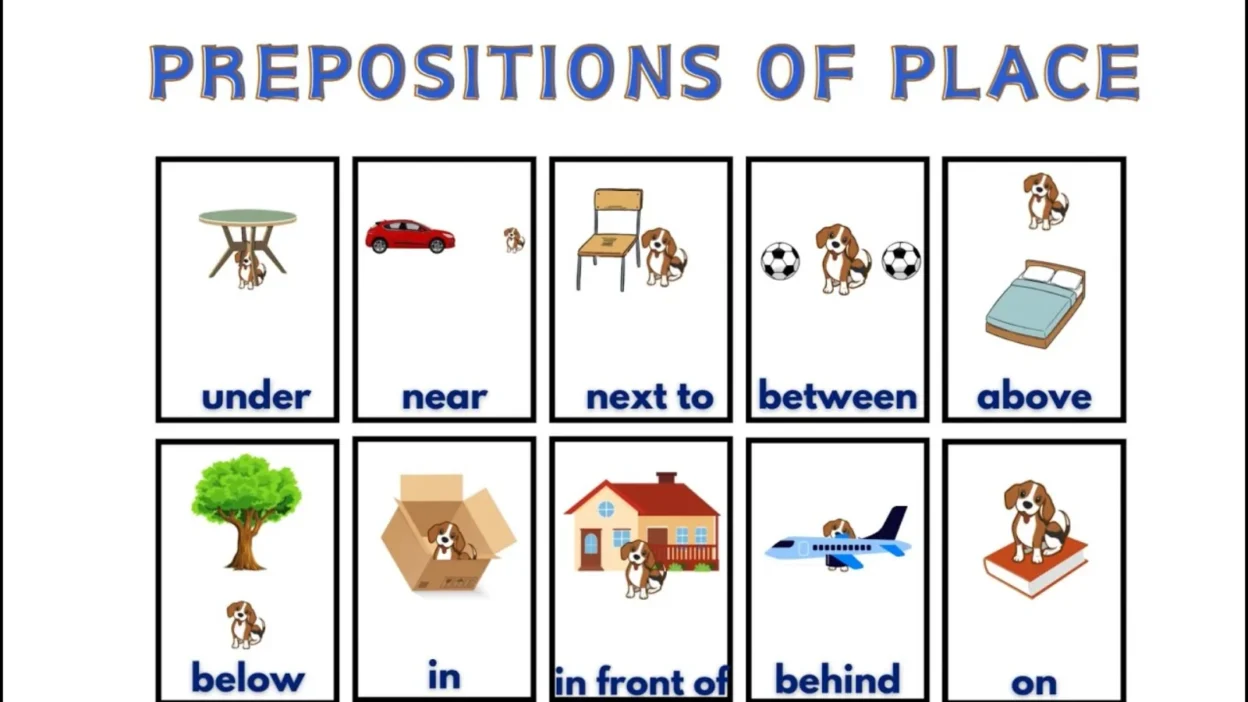
Prepositions of Place (Where?)
These prepositions tell us where something is.
Common Prepositions of Place
| Preposition | Usage | Example |
| in | inside something | The keys are in my bag. |
| on | on a surface | The phone is on the table. |
| at | a specific point | She is at the door. |
| under | below something | The cat is under the chair. |
| over | above something | The lamp is over the desk. |
| between | two things | The shop is between two banks. |
| among | more than two | He is among friends. |
Real-Life Examples
- I live in Karachi.
- There is a clock on the wall.
- He is waiting at the bus stop.
Prepositions of Time (When?)
Prepositions of time tell us when something happens.
In, On, At (Very Important)
| Preposition | Used for | Example |
| in | months, years, long periods | In 2026, in July |
| on | days, dates | On Monday, on 5th May |
| at | exact times | At 7 o’clock, at night |
Examples
- I wake up at 6 a.m.
- We have exams in December.
- The meeting is on Friday.
Prepositions of Direction (Where to?)
These show movement from one place to another.
Common Prepositions of Direction
- to
- into
- onto
- from
- towards
Examples
- She is going to school.
- The child jumped into the pool.
- He walked towards the market.
- I came from Lahore.
Prepositions of Time Duration (For, Since, During)
These prepositions often confuse learners, so let’s make them simple.
For vs Since
| Preposition | Used with | Example |
| for | a period of time | for 2 hours, for 5 years |
| since | a starting point | since Monday, since 2020 |
Examples:
- I have lived here for ten years.
- She has worked here since 2018.
During
Used to say within a period:
- I fell asleep during the movie.
Prepositions of Cause, Reason, and Purpose
These explain why something happens.
Common Ones
- because of
- due to
- for
Examples:
- The match was canceled because of rain.
- He was late due to traffic.
- This gift is for you.
Prepositions Used with Verbs (Common Collocations)
Some verbs are always followed by specific prepositions. You must memorize these.
Common Verb + Preposition Examples
- listen to music
- depend on someone
- believe in yourself
- wait for the bus
- look at the picture
❌ Listen music
✅ Listen to music
Prepositions Used with Adjectives
Examples:
- afraid of
- good at
- interested in
- famous for
Sentences:
- She is good at English.
- I am interested in learning grammar.
Prepositions at the End of Sentences (Is It Correct?)
Yes! In modern English, it is completely correct.
Examples:
- This is the book I told you about.
- Who are you talking to?
This is natural and commonly used in spoken English.
Common Mistakes with Prepositions in English
1. Translating from Your Native Language
Different languages use different prepositions.
❌ Married with him
✅ Married to him
2. Using the Wrong Time Preposition
❌ In night
✅ At night
3. Missing the Preposition
❌ She is waiting me
✅ She is waiting for me
Practice Sentences (Try Yourself)
Fill in the blanks:
- The keys are ___ the table.
- I was born ___ 2001.
- She is interested ___ art.
- He has lived here ___ five years.
- The cat is hiding ___ the bed.
(Answers: on, in, in, for, under)
Featured Snippet Example: Prepositions in English
Prepositions in English are words like in, on, at, and to that show the relationship between a noun and another word, often indicating place, time, or direction.
FAQ: Prepositions in English (People Also Ask)
What are prepositions in English?
Prepositions are words that show the relationship between nouns and other words, often about place, time, or direction.
How many prepositions are there in English?
There are over 100 prepositions in English, but about 20 are used most often in daily conversation.
Why are prepositions difficult for learners?
Because their usage often depends on habit and context, not fixed rules, and they differ from one language to another.
Is it okay to end a sentence with a preposition?
Yes. Ending a sentence with a preposition is correct and natural in modern English.
How can I improve my use of prepositions?
Read daily, notice prepositions in sentences, practice speaking, and learn common verb-preposition combinations.
Key Takeaways: Prepositions in English
- Prepositions are small but very important words
- They show time, place, direction, and reason
- Focus on common prepositions first
- Learn prepositions with verbs and adjectives
- Practice with real sentences every day
Final Thoughts & Soft CTA
Mastering prepositions in English takes time, but with regular practice, they become natural. Start small, notice how native speakers use them, and don’t be afraid to make mistakes—that’s how learning happens.