Sorry Generator
Introduction: What Is the Present Tense?
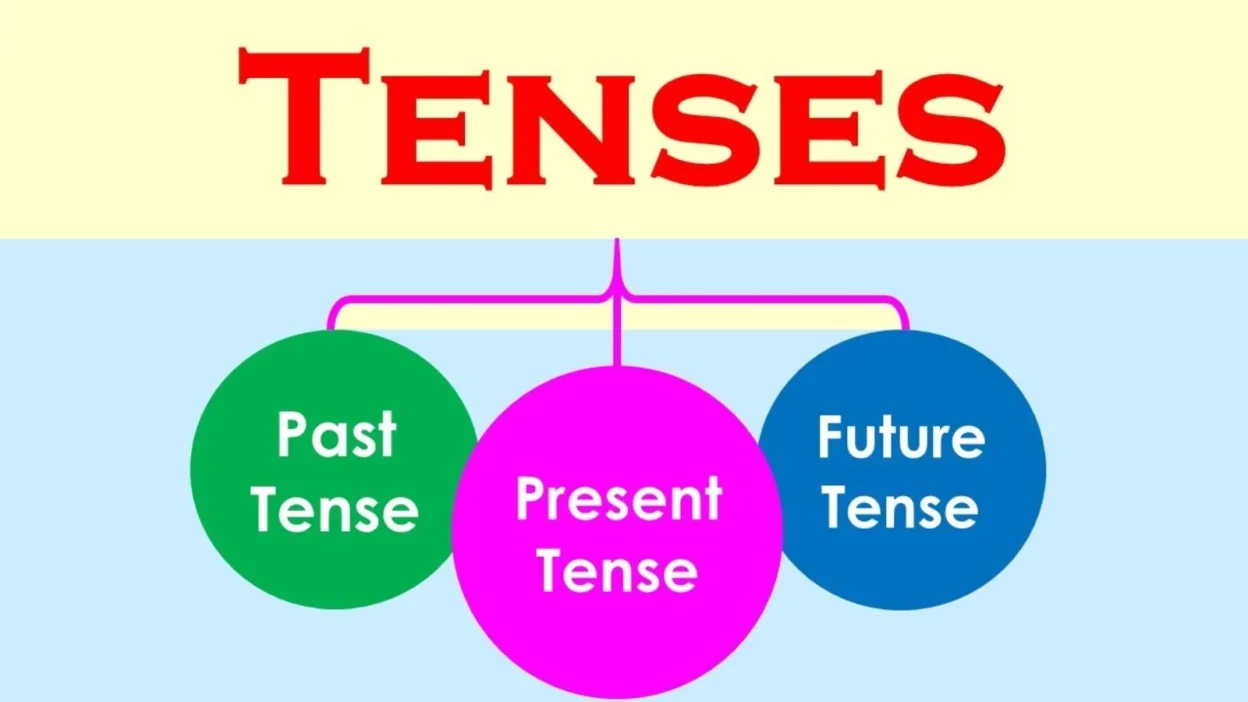
The present tense is one of the most important parts of English grammar. We use the present tense to talk about things that happen now, things that happen regularly, general facts, and sometimes even future plans.
If you are a beginner or an intermediate learner, understanding the present tense will help you:
- Speak English more confidently
- Write correct sentences
- Understand daily conversations
In this guide, you will learn the types of present tense, their rules, real-life examples, common mistakes, and practice sentences — all explained in simple, clear English.
What Is the Present Tense? (Simple Definition)
The present tense is used to describe:
- Actions happening now
- Actions that happen again and again
- Facts, habits, and daily routines
- Fixed schedules and timetables
👉 Example:
- I eat breakfast at 8 a.m.
- She is reading a book now.
Types of Present Tense in English
There are four main types of present tense:
- Present Simple
- Present Continuous (Present Progressive)
- Present Perfect
- Present Perfect Continuous
Each type has a different use, even though all talk about the present.
1. Present Simple Tense
When Do We Use the Present Simple?
We use the present simple tense for:
- Daily habits
- Repeated actions
- General truths
- Permanent situations
Structure of Present Simple
| Subject | Verb (base form) |
| I / You / We / They | play |
| He / She / It | plays |
👉 For he, she, it, add -s or -es.
Examples (Real-Life)
- I wake up early every day.
- She works in a bank.
- We live in Pakistan.
- The sun rises in the east.
Negative Sentences
Structure:
Subject + do/does not + base verb
- I do not like coffee.
- He does not watch TV at night.
Questions
Structure:
Do/Does + subject + base verb?
- Do you play cricket?
- Does she know your name?
2. Present Continuous Tense
When Do We Use the Present Continuous?
We use the present continuous tense for:
- Actions happening right now
- Temporary situations
- Trends or changing situations
Structure of Present Continuous
Subject + am/is/are + verb + ing
Examples (Real-Life)
- I am studying English now.
- She is cooking dinner.
- They are playing outside.
- We are working on a new project.
Negative Sentences
- I am not watching TV.
- He is not sleeping right now.
Questions
- Are you listening to me?
- Is she learning English?
Present Simple vs Present Continuous (Quick Comparison)
| Present Simple | Present Continuous |
| Daily habits | Happening now |
| I work daily | I am working now |
| Permanent | Temporary |
| Facts | Current actions |
👉 Example:
- I live in Lahore. (permanent)
- I am living in Lahore these days. (temporary)
3. Present Perfect Tense
When Do We Use the Present Perfect?
The present perfect tense connects the past with the present. We use it for:
- Actions completed at an unknown time
- Life experiences
- Actions that still affect the present
Structure of Present Perfect
Subject + has/have + past participle
Examples (Real-Life)
- I have finished my homework.
- She has visited Dubai.
- We have learned English grammar.
👉 Time words often used:
- already
- yet
- just
- ever
- never
Negative Sentences
- I have not seen this movie.
- He has not completed the task.
Questions
- Have you eaten lunch?
- Has she called you?
4. Present Perfect Continuous Tense
When Do We Use the Present Perfect Continuous?
We use this tense to show:
- An action that started in the past and is still continuing
- Focus on duration of time
Structure
Subject + has/have been + verb + ing
Examples (Real-Life)
- I have been studying for two hours.
- She has been working here since 2022.
- They have been waiting for a long time.
Common Time Expressions
- for
- since
- all day
- lately
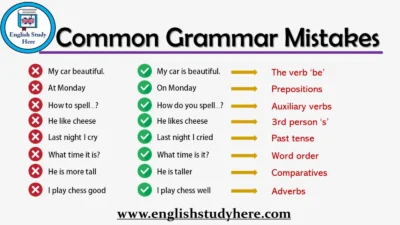
Common Mistakes with Present Tense (Very Important)
❌ Mistake 1: Forgetting -s / -es
Many learners forget to add -s or -es to verbs with he, she, or it in the present simple.
❌ She work hard.
✅ She works hard.
❌ Mistake 2: Using the wrong tense for “now”
When an action is happening right now, the present continuous tense is usually needed.
❌ I eat food now.
✅ I am eating food now.
❌ Mistake 3: Confusing present perfect and past simple
If the time is finished (yesterday, last week, in 2020), use the past simple, not the present perfect.
❌ I have seen him yesterday.
✅ I saw him yesterday.
Practice Sentences (Try Yourself)
Fill in the blanks:
- She _____ (read) a book now.
- We _____ (play) football every evening.
- I _____ (finish) my work already.
- They _____ (wait) for you since morning.
👉 Answers:
- is reading
- play
- have finished
- have been waiting
Present Tense Example Block (Featured Snippet Style)
Example:
- I study English every day. (habit)
- I am studying English right now. (current action)
- I have studied English for five years. (experience)
- I have been studying English since 2020. (duration)
Present Tense in Daily Life (Real Situations)
- At home:
- My mother is cooking food.
- At work:
- I work in an office.
- At school:
- Students are learning grammar.
- Online:
- People use English on social media.
FAQ: Present Tense (People Also Ask)
What is present tense in simple words?
The present tense shows actions happening now, daily habits, or general facts.
How many types of present tense are there?
There are four types: present simple, present continuous, present perfect, and present perfect continuous.
When should I use present simple tense?
Use it for habits, routines, facts, and repeated actions.
What is the difference between present simple and present continuous?
Present simple shows habits, while present continuous shows actions happening now.
Can present tense talk about the future?
Yes. We sometimes use present tense for fixed future plans, like schedules and timetables.
Key Takeaways: Present Tense
- The present tense is essential for daily English
- There are four types, each with a clear use
- Practice helps avoid common mistakes
- Use real-life examples to remember rules
- Start simple, then move to advanced forms
Final Words (Soft CTA)
Mastering the present tense is the first big step in learning English grammar. It helps you speak confidently about your daily life, habits, and experiences.
Start small. Practice daily. Speak without fear.
If you found this guide helpful, explore more grammar lessons and continue improving your English skills step by step.