

Sorry Generator
Introduction: Why Spoken Grammar Matters
English grammar spoken examples help you understand how grammar works in real life, not just in books. Many learners know grammar rules but feel nervous when speaking. The reason is simple: spoken English is different from written English.
In daily conversations, people use short sentences, simple tenses, and natural expressions. This guide will help beginner to intermediate learners understand English grammar through spoken examples, so you can speak confidently in real situations.
In the first few minutes, you will see how grammar rules change when we speak, how native speakers really talk, and how you can practice the same way.
What Is Spoken English Grammar?
Spoken English grammar means using grammar naturally while talking. It is:
- Simple
- Clear
- Flexible
- Based on real-life situations
In spoken English:
- Sentences are often shorter
- Some words are skipped
- Meaning is more important than perfect structure
Example:
Written:
I am going to the market because I need to buy vegetables.
Spoken:
I’m going to the market. Need to buy some vegetables.
Both are correct, but spoken English sounds more natural.
Basic Sentence Structure in Spoken English
Most spoken sentences follow a simple pattern:
Subject + Verb + Object
Spoken Examples:
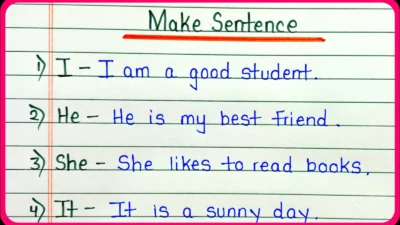
- I like coffee.
- She works here.
- They live nearby.
- We need help.
Common Mistake:
❌ Like coffee I
✅ I like coffee
Present Simple Tense (Daily Use)
We use the present simple tense for habits, routines, and facts.
Spoken Examples:
- I wake up early.
- He works in an office.
- She teaches English.
- We play cricket on Sundays.
Negative Spoken Examples:
- I don’t like tea.
- He doesn’t smoke.
- She doesn’t watch TV much.
Common Mistake:
❌ He don’t like coffee
✅ He doesn’t like coffee
Present Continuous Tense (Talking About Now)
We use this tense to talk about actions happening right now.
Spoken Examples:
- I’m eating lunch.
- She’s talking on the phone.
- They’re waiting outside.
- We’re studying English.
Short Spoken Form:
- I am → I’m
- She is → She’s
- They are → They’re
Common Mistake:
❌ I eating food
✅ I’m eating food
Past Simple Tense (Talking About the Past)
Use the past simple tense to talk about finished actions.
Spoken Examples:
- I met him yesterday.
- She called me last night.
- We watched a movie.
- They moved here last year.
Negative Spoken Examples:
- I didn’t understand.
- She didn’t come.
- We didn’t know about it.
Common Mistake:
❌ I didn’t understood
✅ I didn’t understand
Future Tense in Spoken English (Will vs Going To)
In spoken English, future plans are often simple.
Using “Going To” (Plans):
- I’m going to travel tomorrow.
- She’s going to start a job.
- We’re going to eat out.
Using “Will” (Instant Decisions):
- I’ll help you.
- Don’t worry, I’ll call him.
- I’ll explain later.
Common Mistake:
❌ I will going tomorrow
✅ I’m going tomorrow / I will go tomorrow
Questions in Spoken English
Questions in spoken English are often short and direct.
Yes/No Questions:
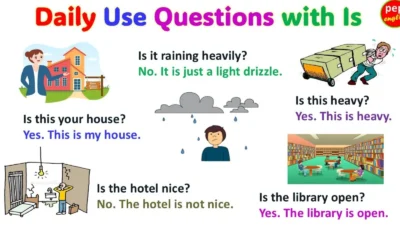
- Are you free?
- Do you work here?
- Is she coming?
- Did you understand?
WH-Questions:
- What are you doing?
- Where do you live?
- Why are you late?
- How was your day?
Common Mistake:
❌ Where you are going?
✅ Where are you going?
Short Answers in Spoken English
People rarely answer with full sentences when speaking.
Examples:
- Are you tired? → Yes, I am / Yeah.
- Did you call him? → No, not yet.
- Is she your sister? → Yes.
- Do you like English? → Yes, a lot.
Articles in Spoken English (A, An, The)
Articles are important but often spoken quickly.
Spoken Examples:
- I bought a phone.
- She has an idea.
- The bus is late.
- I saw a movie yesterday.
Common Mistake:
❌ I bought phone
✅ I bought a phone
Prepositions in Daily Spoken English
Prepositions show time, place, and direction.
Spoken Examples:
- I’m at home.
- She’s in the office.
- We’ll meet on Monday.
- The keys are on the table.
Common Mistake:
❌ I am in home
✅ I am at home
Modal Verbs in Spoken English
Modal verbs are very common in conversation.
Can / Could:
- Can you help me?
- I can’t hear you.
- Could you repeat that?
Should:
- You should rest.
- We should leave now.
Must / Have To:
- I have to go.
- You must try this food.
Common Spoken English Grammar Mistakes
Here are mistakes many learners make while speaking:
| Wrong Sentence | Correct Sentence |
| She don’t know | She doesn’t know |
| I am agree | I agree |
| He is more taller | He is taller |
| I didn’t went | I didn’t go |
| Discuss about it | Discuss it |
Real-Life Spoken English Conversations
At a Shop:
- Shopkeeper: Can I help you?
- You: Yes, I’m looking for a shirt.
- Shopkeeper: What size?
- You: Medium, please.
At Work:
- Boss: Are you free now?
- You: Yes, what’s up?
- Boss: Can you finish this today?
- You: Sure, I’ll try.
Practice Sentences (Speak Aloud)
Try saying these sentences loudly:
- I’m learning English grammar.
- I use English every day.
- I’m getting better at speaking.
- I made a mistake, but it’s okay.
- Practice makes me confident.
Tips to Improve Spoken Grammar Faster
- Listen more than you read
- Copy native speaker sentences
- Speak daily, even alone
- Focus on clarity, not perfection
- Learn common sentence patterns
FAQ: English Grammar Spoken Examples (People Also Ask)
What is spoken grammar in English?
Spoken grammar is the way English is used in daily conversation. It is simpler and more flexible than written grammar.
Is spoken English grammar different from written grammar?
Yes. Spoken English uses shorter sentences, contractions, and sometimes incomplete structures.
How can I improve my spoken grammar?
Practice speaking daily, listen to conversations, and use simple grammar structures often.
Is grammar important for speaking English?
Yes, but basic grammar is enough. Clear communication is more important than perfect grammar.
Can I speak English without perfect grammar?
Yes. Many fluent speakers make small grammar mistakes, but they speak confidently and clearly.
Key Takeaways
- Spoken English grammar is simple and practical
- Focus on daily-use sentences
- Learn from real-life spoken examples
- Avoid common mistakes
- Practice speaking every day
Final Thoughts (Soft CTA)
Learning English grammar spoken examples is the fastest way to improve your speaking skills. Start small, practice daily, and don’t fear mistakes. Explore more grammar topics, practice real conversations, and speak English with confidence every day.