
Sorry Generator
Introduction
Endurance training is a type of exercise that helps your body stay active for a longer time without getting tired quickly. It improves your stamina, heart health, breathing, energy, and overall fitness.
If you are a beginner, endurance training can sound serious or difficult. But it does not have to be complicated. Walking, cycling, swimming, jogging, dancing, and hiking can all be part of endurance training.
For example:
Walking for 30 minutes five days a week is a simple form of endurance training.
The goal is not to become an athlete overnight. The goal is to slowly train your heart, lungs, muscles, and mind to handle activity for longer periods.
Health organizations such as the CDC recommend adults get at least 150 minutes of moderate-intensity physical activity each week, plus muscle-strengthening activities on two days per week. Endurance exercise, also called aerobic exercise, includes activities that raise your heart rate and breathing, such as brisk walking, jogging, swimming, biking, and jumping rope.
In this guide, you will learn what endurance training means, how it works, its benefits, beginner workouts, real-life examples, and common mistakes to avoid.
What Is Endurance Training?
Endurance training is exercise that improves your ability to continue physical activity for a longer time. It mainly trains your cardiovascular system, which includes your heart, lungs, blood vessels, and muscles.
In simple words:
Endurance training helps your body use oxygen better so you can move longer with less fatigue.
It is also called:
- aerobic training
- cardio training
- stamina training
- cardiovascular endurance training
Simple Example
Imagine two people climbing stairs.
One person feels tired after one floor.
Another person can climb three floors and still breathe normally.
The second person likely has better endurance.
This does not mean they were born that way. Endurance can improve with regular practice.
Why Endurance Training Matters
Endurance training is not only for runners, cyclists, or athletes. It is useful for everyday life.
Good endurance can help you:
- walk longer without feeling tired
- climb stairs more easily
- play with children or pets
- carry groceries with less effort
- feel more energetic during the day
- improve mood and reduce stress
- support heart and lung health
- manage body weight more effectively
The American Heart Association explains that endurance exercise helps keep the heart, lungs, and circulatory system healthy and improves overall fitness.
Real-Life Example
A beginner named Sara starts walking for 15 minutes after dinner. At first, she feels tired quickly. After four weeks, she can walk 30 minutes at a steady pace. She does not change everything in her life. She simply stays consistent.
That is endurance training in action.
How Endurance Training Works in the Body
When you do endurance exercise, your body needs more oxygen and energy. Your heart beats faster to send oxygen-rich blood to your muscles. Your lungs work harder to bring in oxygen. Your muscles learn to use that oxygen more efficiently.
Over time, your body adapts.
Your Body Becomes Better At:
- pumping blood
- using oxygen
- controlling breathing
- storing and using energy
- recovering after exercise
- handling longer workouts
This is why a workout that feels hard today may feel easier after a few weeks.
Endurance Training vs Strength Training
Endurance training and strength training are both important, but they are different.
| Training Type | Main Goal | Examples | Main Benefit |
|---|---|---|---|
| Endurance training | Move for longer | Walking, running, cycling, swimming | Improves stamina and heart health |
| Strength training | Build muscle strength | Squats, push-ups, weights, resistance bands | Builds muscle and supports joints |
| Flexibility training | Improve movement range | Stretching, yoga | Helps mobility |
| Balance training | Improve control | Single-leg stands, tai chi | Helps stability |
A complete fitness routine often includes both endurance and strength training.
For beginners, this could mean walking three to five days a week and doing simple bodyweight exercises two days a week.
Types of Endurance Training
There are different ways to build endurance. You do not need to do all of them. Choose what matches your fitness level and goals.
1. Low-Intensity Endurance Training
This is easy, steady exercise. You can speak in full sentences while doing it.
Examples:
- slow walking
- easy cycling
- light swimming
- gentle dancing
Best for:
- complete beginners
- people returning after a break
- active recovery days
- building consistency
2. Moderate-Intensity Endurance Training
This is a little harder. Your breathing becomes faster, but you can still talk.
Examples:
- brisk walking
- steady cycling
- swimming laps
- hiking
- light jogging
Best for:
- improving general fitness
- supporting heart health
- building weekly activity habits
3. High-Intensity Endurance Training
This is harder exercise. You may only speak a few words at a time.
Examples:
- running
- fast cycling
- hill climbs
- jump rope
- interval training
Best for:
- intermediate learners
- people with a fitness base
- improving speed and performance
Beginners should not start with high intensity every day. It is better to build a base first.
Best Endurance Training Exercises for Beginners
You do not need expensive equipment. Start with simple activities.
1. Brisk Walking
Walking is one of the best beginner endurance exercises. It is low-cost, easy to start, and gentle on the body.
Beginner example:
Walk for 10 minutes after breakfast and 10 minutes after dinner.
As you improve, increase the time to 30 minutes.
2. Cycling
Cycling is good for people who want low-impact exercise. It is easier on the knees than running for many people.
Beginner example:
Cycle at an easy pace for 15–20 minutes, three times per week.
3. Swimming
Swimming trains the whole body and is gentle on the joints.
Beginner example:
Swim slowly for 10 minutes, rest when needed, then repeat.
4. Jogging
Jogging is more intense than walking. Beginners can use a walk-jog method.
Example:
- walk 2 minutes
- jog 30 seconds
- repeat for 15–20 minutes
5. Dancing
Dancing is fun and useful for endurance. It can be done at home.
Example:
Dance to three songs without sitting down.
6. Hiking
Hiking builds endurance and leg strength. Start with flat or easy trails before trying hills.
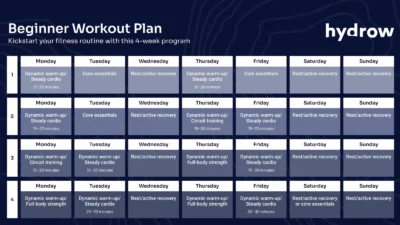
Beginner Endurance Training Plan
Here is a simple four-week plan for beginners.
| Week | Goal | Example Workout |
|---|---|---|
| Week 1 | Build the habit | Walk 15 minutes, 3 days per week |
| Week 2 | Add time | Walk 20 minutes, 4 days per week |
| Week 3 | Improve consistency | Walk 25 minutes, 4 days per week |
| Week 4 | Reach steady endurance | Walk 30 minutes, 5 days per week |
Beginner Tip
Do not worry about speed at first. Focus on showing up and finishing the session.
A good rule:
First build time. Then build speed.
Example Block: Simple Endurance Training Routine
This example can help beginners understand what to do.
Monday: Brisk walk for 20 minutes
Tuesday: Rest or gentle stretching
Wednesday: Brisk walk for 25 minutes
Thursday: Simple strength exercises for 15 minutes
Friday: Brisk walk for 20 minutes
Saturday: Easy cycling or dancing for 20 minutes
Sunday: Rest
This routine is simple, flexible, and realistic for many beginners.
How Hard Should Endurance Training Feel?
A helpful method is the talk test.
Talk Test Guide
| Intensity | How It Feels | Talking Ability |
|---|---|---|
| Easy | Comfortable | You can sing or talk easily |
| Moderate | Breathing faster | You can talk but not sing |
| Hard | Challenging | You can say only a few words |
For most beginners, moderate intensity is enough.
Example:
If you are walking fast and can talk but not sing, you are probably doing moderate-intensity endurance training.
How Often Should You Do Endurance Training?
A good beginner goal is:
- 3 days per week to start
- 20–30 minutes per session
- slowly build toward 150 minutes per week
You can divide your activity into smaller sessions.
Examples:
- 10 minutes in the morning + 10 minutes in the evening
- 15 minutes before work + 15 minutes after work
- 30 minutes once per day
Small sessions still count when they help you move more consistently.
How to Progress Safely
Many beginners make the mistake of doing too much too soon. This can lead to soreness, tiredness, or injury.
Use slow progress.
Safe Progress Tips
- Add 5 minutes at a time.
- Increase only one thing at once: time, speed, or difficulty.
- Keep easy days in your routine.
- Rest when your body feels very tired.
- Wear comfortable shoes.
- Warm up before harder workouts.
Simple Progress Example
Week 1: Walk 15 minutes
Week 2: Walk 20 minutes
Week 3: Walk 25 minutes
Week 4: Walk 30 minutes
This is safer than jumping from 10 minutes to 60 minutes in one week.
Warm-Up and Cool-Down for Endurance Training
A warm-up prepares your body for exercise. A cool-down helps your body return to normal.
Simple Warm-Up
Do this for 5 minutes:
- slow walking
- shoulder rolls
- arm swings
- gentle leg movements
Simple Cool-Down
Do this for 5 minutes:
- slow walking
- deep breathing
- light stretching
Example:
Before jogging, walk slowly for 5 minutes. After jogging, walk slowly again until your breathing feels normal.
What to Eat Before Endurance Training
You do not need a special diet for basic endurance training. But food can affect your energy.
Before Exercise
For short workouts, you may not need a meal. For longer sessions, eat something light.
Examples:
- banana
- oatmeal
- toast
- yogurt
- fruit smoothie
After Exercise
After training, focus on a balanced meal with:
- protein
- carbohydrates
- vegetables
- water
Example meal:
Eggs, whole-grain toast, and fruit
Chicken with rice and vegetables
Lentils with potatoes and salad
Hydration Tip
Drink water before and after exercise. If you sweat a lot or train for a long time, you may need more fluids.
Common Mistakes in Endurance Training
1. Starting Too Fast
Many beginners start with high speed because they feel motivated. Then they get tired quickly.
Better approach:
Start slower than you think you need to.
2. Training Every Day Without Rest
Rest is part of training. Your body improves during recovery.
Better approach:
Add rest days or easy days each week.
3. Ignoring Pain
Normal tiredness is okay. Sharp pain is not.
Stop and rest if you feel:
- sharp pain
- dizziness
- chest pain
- unusual shortness of breath
- pain that gets worse
For medical concerns, speak with a qualified healthcare professional.
4. Comparing Yourself to Others
Your fitness level is personal. A beginner should not compare their progress to someone who has trained for years.
Better approach:
Compare today’s effort with your own starting point.
5. Skipping Warm-Ups
Starting hard exercise with cold muscles can feel uncomfortable and may increase injury risk.
Better approach:
Warm up for 5 minutes before training.
Practice Sentences Using “Endurance Training”
These sentences can help English learners use the keyword naturally.
- Endurance training helps me walk longer without getting tired.
- I started endurance training with short daily walks.
- Swimming is a good endurance training exercise.
- Beginners should increase endurance training slowly.
- My endurance training plan includes walking, cycling, and rest days.
- Good sleep helps my body recover after endurance training.
- I use the talk test during endurance training.
- Endurance training can improve heart and lung fitness.
Real-Life Endurance Training Examples
Example 1: Busy Office Worker
Ahmed works at a desk all day. He does not have time for the gym. He starts walking for 10 minutes during lunch and 15 minutes after dinner.
After one month, he walks 30 minutes most days.
Result:
- better energy
- less stiffness
- improved walking stamina
Example 2: Beginner Runner
Maria wants to run but gets tired quickly. She starts with walk-jog intervals.
Her plan:
- walk 2 minutes
- jog 30 seconds
- repeat for 20 minutes
After six weeks, she can jog for longer without stopping.
Example 3: Parent at Home
Lina stays home with children and cannot follow a strict gym plan. She dances for 15 minutes while the children play and walks on weekends.
Result:
- more movement
- better mood
- realistic routine
The best endurance plan is one you can actually follow.
Featured Snippet: What Is the Best Way to Start Endurance Training?
The best way to start endurance training is to choose an easy activity, such as walking, and do it regularly. Begin with 10–20 minutes, three days per week. Increase your time slowly each week. Keep the pace comfortable, use the talk test, and include rest days.
Endurance Training Tips for Better Results
Choose Activities You Enjoy
You are more likely to continue if you enjoy the exercise.
Good choices include:
- walking with a friend
- cycling outdoors
- dancing at home
- swimming
- hiking
- playing a sport
Track Simple Progress
You do not need advanced apps. You can track:
- minutes walked
- distance covered
- number of sessions per week
- how tired you feel after exercise
Example:
| Date | Activity | Time | Feeling |
|---|---|---|---|
| Monday | Walk | 20 minutes | Easy |
| Wednesday | Walk | 25 minutes | Moderate |
| Friday | Cycle | 20 minutes | Good |
Keep Your Plan Flexible
Some weeks will be busy. That is normal.
Instead of quitting, reduce the workout.
Example:
If you cannot walk 30 minutes, walk 10 minutes.
Consistency matters more than perfection.
Beginner Endurance Training Checklist
Use this checklist before you start.
- Choose one activity.
- Start with 10–20 minutes.
- Train three days per week.
- Warm up for 5 minutes.
- Use the talk test.
- Drink water.
- Add time slowly.
- Take rest days.
- Track your progress.
- Stay patient.
Who Should Be Careful With Endurance Training?
Most healthy adults can start with gentle activity like walking. However, some people should speak with a healthcare professional before starting or increasing exercise.
This includes people who have:
- heart problems
- chest pain during activity
- breathing problems
- dizziness or fainting
- serious joint pain
- recent surgery
- uncontrolled blood pressure
- medical conditions that affect exercise safety
This does not mean you cannot exercise. It means you may need a safer, personalized plan.
FAQ: Endurance Training
What is endurance training in simple words?
Endurance training is exercise that helps you stay active for a longer time. It improves stamina, breathing, heart health, and energy.
Is walking endurance training?
Yes. Brisk walking is a simple and effective form of endurance training, especially for beginners.
How long should beginners do endurance training?
Beginners can start with 10–20 minutes, three days per week. Then they can slowly build up to 30 minutes or more.
Can endurance training help with weight loss?
Yes, endurance training can help burn calories and support weight loss when combined with healthy eating and consistent habits.
What is the best endurance exercise?
The best endurance exercise is one you enjoy and can do regularly. Walking, cycling, swimming, and jogging are all good choices.
Should I do endurance training every day?
Beginners do not need to train hard every day. Three to five days per week is a good start. Rest days help recovery.
What is the difference between cardio and endurance training?
Cardio and endurance training are closely related. Cardio focuses on heart and lung activity, while endurance training focuses on doing activity for longer periods.
How do I know if my endurance is improving?
You may notice that you can walk, jog, cycle, or swim longer with less tiredness. Your breathing may also feel easier during exercise.
Can I do endurance training at home?
Yes. You can walk in place, dance, climb stairs, use a stationary bike, or follow low-impact cardio workouts at home.
Is endurance training good for beginners?
Yes. Endurance training is very beginner-friendly when started slowly. Walking is one of the easiest ways to begin.
Quick Summary: Key Takeaways
- Endurance training helps improve stamina, heart health, breathing, and energy.
- It includes walking, cycling, swimming, jogging, dancing, hiking, and other aerobic activities.
- Beginners should start slowly with 10–20 minutes, three days per week.
- The talk test helps you understand exercise intensity.
- Increase time, speed, or difficulty gradually.
- Rest days are important for recovery.
- Walking is one of the best beginner endurance exercises.
- A balanced plan includes endurance training and strength training.
- Consistency is more important than perfection.
Final Thoughts
Endurance training is one of the simplest ways to improve your fitness and daily energy. You do not need to start with running, hard workouts, or expensive equipment. You can begin with a short walk, a bike ride, a swim, or a few minutes of dancing at home.