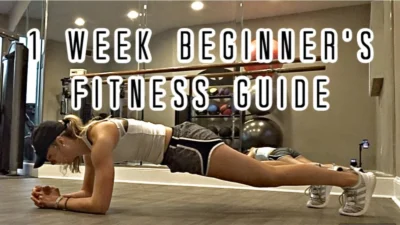

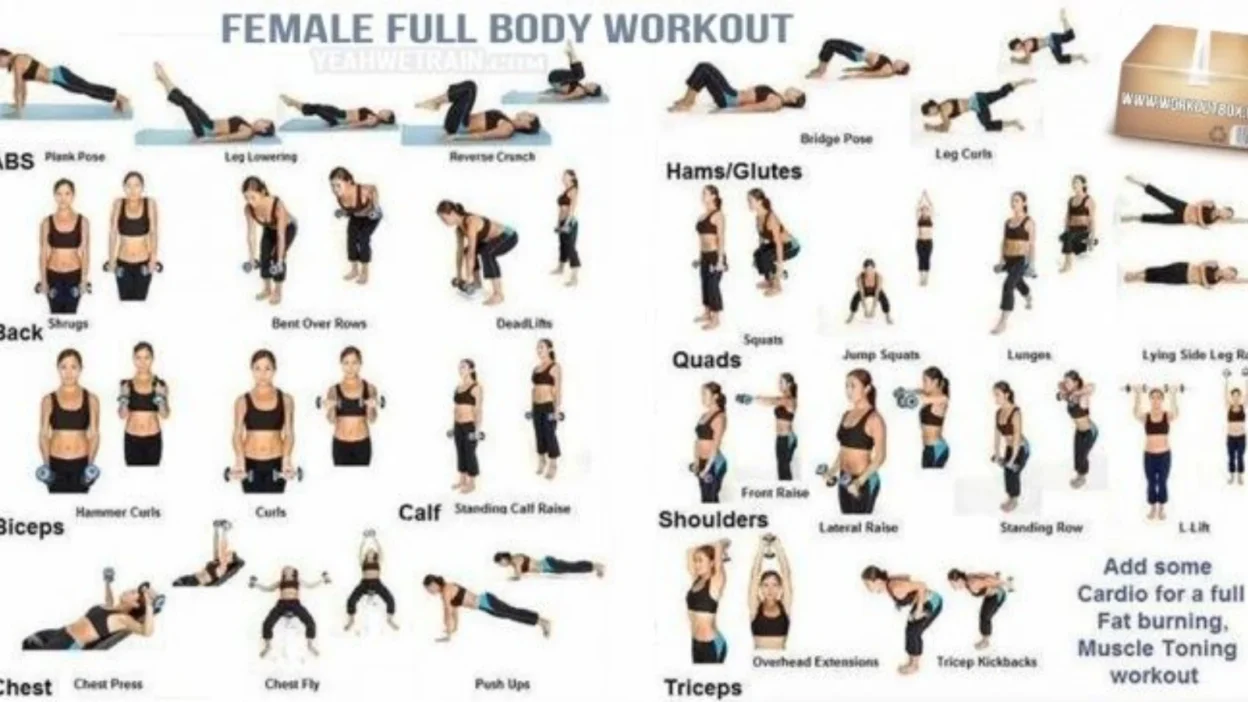
A full body workout is one of the easiest and smartest ways to train your whole body in one session. It is popular with beginners because it is simple, time-saving, and effective. It is also useful for intermediate learners who want to build strength, improve fitness, and stay consistent without spending hours in the gym.
In a full body workout, you train all major muscle groups in one workout. That means your legs, chest, back, shoulders, arms, and core all get attention. You do not need a very complex plan. You only need the right exercises, good form, and a schedule that fits your life.
If you are new to exercise, this guide will help you understand how a full body workout works, why it is effective, and how to start safely.
Sorry Generator
What Is a Full Body Workout?
A full body workout is a training session that works your entire body instead of focusing on only one area.
For example:
- A leg day focuses mainly on the lower body
- An arm workout focuses mainly on biceps and triceps
- A full body workout trains both upper body and lower body in the same session
Most full body workout plans include:
- One lower-body movement
- One upper-body pushing exercise
- One upper-body pulling exercise
- One core exercise
- Sometimes a cardio or mobility finisher
This structure helps create a balanced routine. It is especially good for people who train 2 to 4 times per week.
Why Is a Full Body Workout Good for Beginners?
Beginners often do better with simple plans. A full body workout is easy to follow and gives quick results when done regularly.
Main benefits of a full body workout
- Saves time: You train everything in one session
- Builds balanced strength: No body part is ignored
- Improves movement: You learn basic patterns like pushing, pulling, squatting, and hinging
- Supports fat loss: More muscles work at the same time, which increases energy use
- Allows enough recovery: You can rest between sessions
A beginner does not usually need six days of training each week. In many cases, 3 full body workouts per week are enough to improve strength, energy, and confidence.
What Muscles Does a Full Body Workout Train?
A full body workout targets major muscle groups across the body.
| Muscle Group | Example Exercises |
|---|---|
| Legs | Squats, lunges, step-ups |
| Glutes | Glute bridges, deadlifts, squats |
| Chest | Push-ups, chest press |
| Back | Rows, pull-downs, superman holds |
| Shoulders | Shoulder press, lateral raises |
| Arms | Bicep curls, tricep dips |
| Core | Planks, dead bugs, mountain climbers |
This is one reason full body routines are so practical. You do not need separate workout days for each muscle group when you are just starting.
How Many Days a Week Should You Do a Full Body Workout?
For most people, this is a good starting point:
Beginner plan
- 2 to 3 days per week
- Rest at least one day between hard sessions
Intermediate plan
- 3 to 4 days per week
- You can change exercise intensity and volume across the week
A simple example:
- Monday: Full body workout
- Wednesday: Full body workout
- Friday: Full body workout
This plan gives your muscles time to recover and grow stronger.
Best Full Body Workout Exercises for Beginners
The best exercises are not always the most advanced ones. Good beginner exercises are safe, simple, and easy to learn.
Lower body exercises
- Bodyweight squats
- Reverse lunges
- Glute bridges
- Step-ups
Upper body push exercises
- Wall push-ups
- Knee push-ups
- Dumbbell shoulder press
- Chest press
Upper body pull exercises
- Dumbbell rows
- Resistance band rows
- Lat pull-downs
- Assisted pull-ups
Core exercises
- Plank
- Dead bug
- Bird-dog
- Heel taps
These exercises teach basic movement skills that you will use in many workout plans later.
Sample Full Body Workout for Beginners
Here is a simple beginner-friendly routine you can do at home or in the gym.
Full body workout example
Warm-up: 5 minutes
- March in place
- Arm circles
- Hip circles
- Bodyweight squats
- Light stretching
Workout
- Bodyweight squats – 3 sets of 10
- Wall push-ups – 3 sets of 8
- Dumbbell rows – 3 sets of 10 each side
- Glute bridges – 3 sets of 12
- Shoulder press – 2 sets of 10
- Plank – 3 rounds of 20 seconds
Cool down: 5 minutes
- Slow walking
- Stretch your legs, chest, shoulders, and back
Featured snippet style answer: What is a good beginner full body workout?
A good beginner full body workout includes one leg exercise, one push exercise, one pull exercise, one core exercise, and short rest periods. A simple example is squats, push-ups, dumbbell rows, glute bridges, shoulder press, and plank done 2 to 3 times per week.
Sample Full Body Workout for Intermediate Learners
If you already know the basics, you can increase the challenge by adding weights, more sets, or more difficult exercise variations.
Intermediate full body workout
Warm-up: 5 to 8 minutes
- Light cardio
- Dynamic stretches
- Mobility work
Workout
- Goblet squats – 4 sets of 8
- Push-ups or bench press – 4 sets of 8 to 10
- Bent-over rows – 4 sets of 8 to 10
- Romanian deadlifts – 3 sets of 10
- Dumbbell shoulder press – 3 sets of 10
- Walking lunges – 2 sets of 12 each leg
- Plank with shoulder taps – 3 sets of 20 taps
This type of full body workout can help improve strength, muscle control, and stamina.
Full Body Workout at Home vs Gym
Both options can work well. The best choice depends on your schedule, budget, and comfort level.
Full body workout at home
Good for:
- Busy people
- Beginners who feel shy in a gym
- People with limited time
Useful equipment:
- Resistance bands
- Dumbbells
- Yoga mat
- Chair or bench
Full body workout at the gym
Good for:
- People who want more equipment choices
- Those who enjoy a fitness environment
- Intermediate learners who want progressive overload
Useful gym tools:
- Dumbbells
- Barbells
- Cable machines
- Leg press
- Lat pull-down machine
You do not need a perfect gym setup to get results. Many people make strong progress with a home full body workout routine.
How Long Should a Full Body Workout Be?
A full body workout does not need to be very long.
A good session can be:
- 20 to 30 minutes for beginners
- 30 to 45 minutes for most people
- 45 to 60 minutes for more advanced training
What matters most is not workout length. It is consistency, exercise quality, and gradual progress.
How to Progress in a Full Body Workout
To keep improving, you need to make your workouts a little harder over time. This is called progressive overload.
You can progress by:
- Adding more reps
- Adding more weight
- Improving exercise form
- Reducing rest time slightly
- Adding one more set
- Using a harder variation
Real-life example
Week 1:
- 3 sets of 8 bodyweight squats
Week 3:
- 3 sets of 12 bodyweight squats
Week 5:
- 3 sets of 10 goblet squats with a dumbbell
This is smart progress. It is slow, safe, and effective.
Common Mistakes in a Full Body Workout
Many beginners feel motivated at the start, but they make a few simple mistakes.
1. Doing too much too soon
Some people train hard every day in the first week. Then they feel very sore and stop.
Better idea: Start with 2 to 3 days per week.
2. Ignoring form
Bad form can reduce results and increase injury risk.
Better idea: Learn the movement first. Speed can come later.
3. Skipping warm-up
Cold muscles do not move as well.
Better idea: Spend 5 minutes preparing your body.
4. Changing the workout every day
A new routine every session may look exciting, but it makes progress harder to measure.
Better idea: Follow the same plan for 4 to 6 weeks before making big changes.
5. Forgetting recovery
Muscles need rest, water, sleep, and proper food.
Better idea: Train hard, then recover well.
Practice Sentences You Can Use
These sentences are useful for learners who want to talk about fitness in English.
- I do a full body workout three times a week.
- My full body workout includes squats, push-ups, and planks.
- I started with bodyweight exercises at home.
- I am trying to improve my strength and balance.
- I rest for one minute between sets.
- I use light dumbbells because I am still learning proper form.
- A full body workout helps me save time.
- I feel stronger after following a simple weekly routine.
Simple Weekly Full Body Workout Plan
Here is a beginner-friendly weekly example.
| Day | Plan |
|---|---|
| Monday | Full body workout |
| Tuesday | Walk or light stretching |
| Wednesday | Full body workout |
| Thursday | Rest or mobility work |
| Friday | Full body workout |
| Saturday | Easy cardio or yoga |
| Sunday | Rest |
This plan gives you structure without making exercise feel too difficult.
Full Body Workout and Fat Loss
Many people ask if a full body workout is good for weight loss. The answer is yes, especially when combined with healthy eating and regular movement.
A full body workout can support fat loss because:
- It uses many muscle groups in one session
- It helps build lean muscle
- It can improve metabolism over time
- It supports daily energy and activity levels
Still, exercise alone is not the full answer. Nutrition, sleep, and stress also matter.
Featured snippet style answer: Is a full body workout good for fat loss?
Yes, a full body workout is good for fat loss because it trains many muscles in one session, supports muscle growth, and helps increase calorie use. It works best when combined with healthy eating and regular weekly activity.
What Should You Eat Before and After a Full Body Workout?
You do not need a perfect diet, but a few smart habits help.
Before workout
Choose something light and easy to digest:
- Banana
- Yogurt
- Oats
- Toast with peanut butter
After workout
Try to eat protein and carbohydrates:
- Eggs and toast
- Chicken and rice
- Greek yogurt with fruit
- Smoothie with milk and banana
Drink water before and after exercise.
How Do You Know If Your Full Body Workout Is Working?
Look for simple signs of progress:
- Exercises feel easier
- You can do more reps
- You can lift more weight
- Your posture improves
- Your energy increases
- You feel more confident
- Your clothes fit differently
- You recover faster after workouts
Results do not always appear in the mirror first. Performance improvements are also important.
Key Takeaways
- A full body workout trains all major muscle groups in one session
- It is ideal for beginners and useful for intermediate learners
- Most people can start with 2 to 3 sessions per week
- Focus on basic movements like squats, push-ups, rows, and planks
- Good form, rest, and consistency matter more than fancy exercises
- You can do a full body workout at home or in the gym
- Small, steady progress leads to better long-term results
FAQ: Full Body Workout
What is a full body workout?
A full body workout is a training session that works your legs, chest, back, shoulders, arms, and core in one workout.
Is a full body workout better than a split workout?
For beginners, a full body workout is often better because it is simpler and easier to follow. Split workouts can be useful later.
How many times a week should I do a full body workout?
Beginners can do a full body workout 2 to 3 times a week. Intermediate learners often do it 3 to 4 times a week.
Can I build muscle with a full body workout?
Yes. You can build muscle with a full body workout if you train consistently, increase difficulty over time, and eat well.
Can I do a full body workout at home?
Yes. You can use bodyweight exercises, dumbbells, or resistance bands to do a full body workout at home.
How long should a full body workout take?
A full body workout usually takes 20 to 45 minutes for most people, depending on fitness level and exercise choice.
Should beginners lift weights in a full body workout?
Yes, beginners can use light weights if they learn proper form first. Starting with bodyweight exercises is also fine.
Do I need rest days between full body workouts?
Yes. Rest days help your muscles recover and grow stronger. Many people train on alternate days.
FAQ Schema-Ready Content
Question: What is a full body workout?
Answer: A full body workout is a routine that trains all major muscle groups in one session, including the legs, chest, back, shoulders, arms, and core.
Question: How often should beginners do a full body workout?
Answer: Beginners should usually do a full body workout 2 to 3 times per week with rest days between sessions.
Question: Can I do a full body workout without equipment?
Answer: Yes. You can do a full body workout with bodyweight exercises such as squats, push-ups, lunges, glute bridges, and planks.
Question: Is a full body workout good for weight loss?
Answer: Yes. A full body workout can help with weight loss because it trains many muscle groups and supports higher calorie use when combined with healthy habits.
Question: How long should a full body workout be?
Answer: A full body workout can be effective in 20 to 45 minutes, depending on your fitness level and workout intensity.
A full body workout is one of the best ways to start exercising because it is simple, practical, and effective. Keep your routine easy, focus on good form, and build slowly. Practice regularly, notice your progress, and explore more fitness and health topics step by step.