

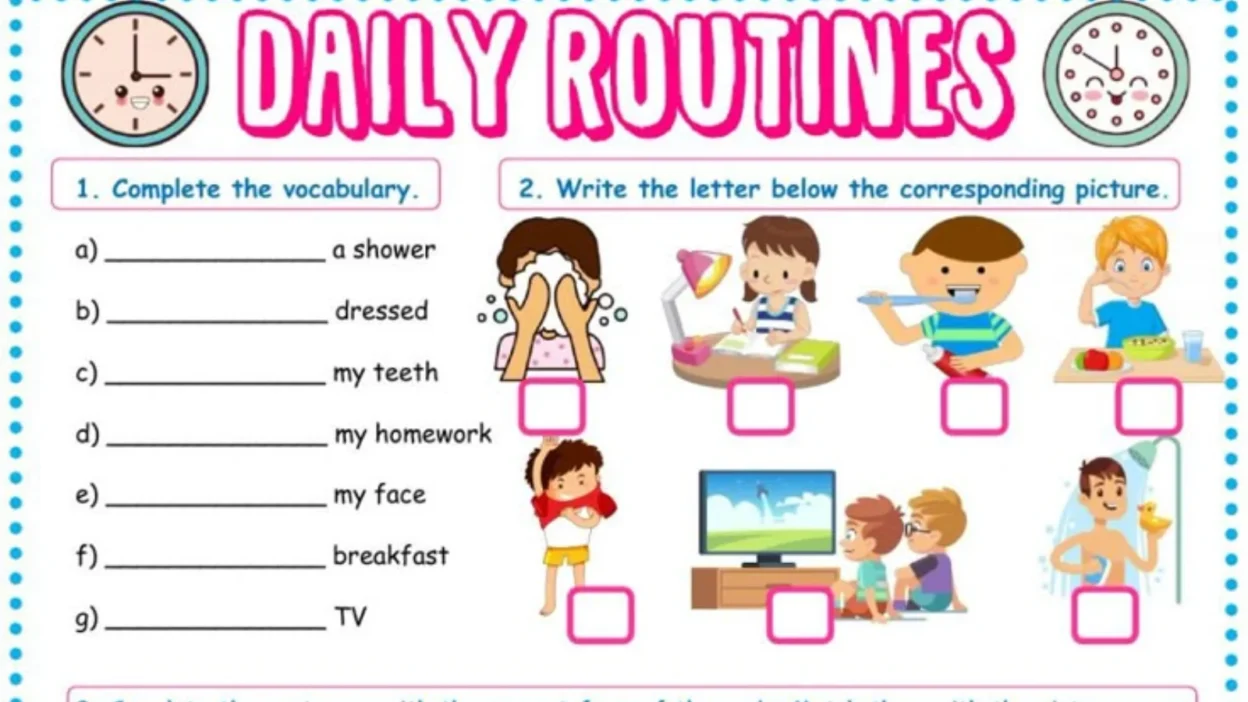
A daily exercise routine can help you feel stronger, healthier, and more active in everyday life. It does not mean you need hard workouts, expensive equipment, or hours at the gym. For most people, a simple plan done every day or most days of the week works best.
If you are a beginner or at an intermediate level, this guide will show you how to create a daily exercise routine in a simple and realistic way. You will learn what to do, how long to exercise, what mistakes to avoid, and how to stay consistent even on busy days.
Exercise is not only about losing weight or building muscle. It can also improve your mood, sleep, posture, energy, and confidence. The best routine is the one you can follow again and again.
Sorry Generator
Why a Daily Exercise Routine Matters
A daily exercise routine gives structure to your day. When movement becomes a habit, it feels more natural and less difficult. You do not need to ask yourself, “Should I work out today?” You already know the answer.
Here are some common benefits of regular daily exercise:
- Better heart health
- Stronger muscles and bones
- Improved flexibility and balance
- More energy during the day
- Better focus and mental clarity
- Lower stress and better mood
- Improved sleep quality
For beginners, the biggest benefit is often consistency. A short walk, light stretching, or a basic home workout done daily can create a strong base for long-term fitness.
What Is a Good Daily Exercise Routine?
A good daily exercise routine is simple, balanced, and realistic. It should match your current fitness level, your schedule, and your goal.
A balanced routine often includes:
- Warm-up: 5 to 10 minutes
- Cardio: walking, jogging, cycling, or dancing
- Strength training: bodyweight or light resistance exercises
- Flexibility work: stretching or mobility exercises
- Cool-down: 5 minutes to relax your muscles
You do not have to do all parts at a high level every day. Some days can focus on walking and stretching. Other days can focus on strength or core exercises. The goal is regular movement, not perfection.
How to Start a Daily Exercise Routine as a Beginner
Starting is usually the hardest part. Many people fail because they begin with a plan that is too difficult. A better idea is to start small and grow slowly.
Step 1: Choose a Clear Goal
Ask yourself what you want from exercise. Your goal can be simple.
Examples:
- “I want to feel more active.”
- “I want to lose some weight.”
- “I want to improve my stamina.”
- “I want to reduce back pain from sitting too much.”
A clear goal helps you choose the right routine.
Step 2: Start with 15 to 20 Minutes
You do not need one full hour in the beginning. Even 15 to 20 minutes a day can help you build the habit.
A beginner plan may look like this:
| Day | Activity | Time |
|---|---|---|
| Monday | Brisk walk + stretching | 20 minutes |
| Tuesday | Bodyweight workout | 20 minutes |
| Wednesday | Easy walk | 15–20 minutes |
| Thursday | Strength + core | 20 minutes |
| Friday | Walk or light cycling | 20 minutes |
| Saturday | Full-body home workout | 25 minutes |
| Sunday | Gentle stretching or yoga | 15 minutes |
This is simple, manageable, and easy to repeat.
Step 3: Pick a Time You Can Follow
A routine works best when you connect it to your daily life.
Common times include:
- Early morning before work or school
- Afternoon break
- Evening after work
- After a daily habit like breakfast or prayer
For example:
“I will do my daily exercise routine at 7:00 a.m. after I drink water.”
That sentence is simple, clear, and easy to remember.
Step 4: Use Easy Exercises First
Your first routine should include basic, safe movements.
Good beginner exercises include:
- Marching in place
- Walking
- Bodyweight squats
- Wall push-ups
- Glute bridges
- Step-ups
- Plank hold
- Arm circles
- Gentle stretching
These exercises help you learn good form and build confidence.
A Simple Daily Exercise Routine You Can Follow
Here is a beginner-friendly daily exercise routine that works well at home.
Warm-Up (5 Minutes)
Do each movement for 30 to 45 seconds:
- March in place
- Shoulder rolls
- Arm circles
- Hip circles
- Light knee lifts
- Gentle side steps
The warm-up prepares your body and lowers the risk of injury.
Main Workout (15 to 20 Minutes)
Try this easy full-body circuit:
- 10 bodyweight squats
- 8 wall push-ups
- 10 glute bridges
- 20 seconds plank
- 10 step-ups on a low step
- 20 jumping jacks or march in place
Rest for 30 to 45 seconds, then repeat 2 to 3 rounds.
Cool-Down (5 Minutes)
End with simple stretches:
- Hamstring stretch
- Calf stretch
- Chest stretch
- Shoulder stretch
- Deep breathing
This helps your body relax after exercise.
Daily Exercise Routine for Intermediate Learners
If you already exercise sometimes, you can make your daily exercise routine a little more challenging.
Try this weekly structure:
Day 1: Cardio
Fast walking, jogging, cycling, or skipping for 25 to 30 minutes.
Day 2: Lower Body
Squats, lunges, glute bridges, calf raises, and wall sits.
Day 3: Core and Mobility
Planks, bird-dog, dead bug, side planks, and stretching.
Day 4: Upper Body
Push-ups, chair dips, shoulder taps, resistance band rows, and arm exercises.
Day 5: Cardio Intervals
Walk fast for 1 minute, walk slow for 1 minute, repeat for 20 minutes.
Day 6: Full Body Workout
Mix cardio and strength in one short circuit.
Day 7: Active Recovery
Yoga, mobility work, easy walking, or light stretching.
This type of structure gives variety while keeping the habit daily.
How Long Should a Daily Exercise Routine Be?
This depends on your level and schedule. For many people, 20 to 30 minutes is enough to see progress.
Here is a simple guide:
- Beginner: 15 to 20 minutes
- Intermediate: 20 to 40 minutes
- Busy day: 10 minutes is still helpful
A short workout is always better than no workout. Some days, your daily exercise routine may only be a walk and a few stretches. That still counts.
Real-Life Examples of a Daily Exercise Routine
Example 1: Office Worker
Sara sits at a desk for most of the day. She started with a 15-minute walk in the morning and 5 minutes of stretching at night. After three weeks, she added bodyweight squats and wall push-ups three times a week.
Example 2: College Student
Ali has a busy class schedule. He does a 20-minute home workout after lunch on weekdays and a longer walk on weekends. Because his plan is simple, he follows it more often.
Example 3: Busy Parent
Nadia exercises while her children play nearby. She does step-ups, lunges, and light stretching for 15 to 20 minutes in the evening. Her goal is not perfection. Her goal is consistency.
These examples show an important truth: a daily exercise routine should fit your real life.
Practice Sentences You Can Use
These sentences are useful for speaking and writing about fitness in simple English:
- I follow a daily exercise routine every morning.
- My workout is short, but it helps me stay active.
- I start with stretching and then do cardio.
- Walking is an easy part of my daily routine.
- I exercise at home because it saves time.
- I am trying to build a healthy habit.
- Some days I feel tired, but I still move my body.
- A simple routine is easier to follow than a hard one.
Common Mistakes to Avoid
Many people stop exercising not because they are lazy, but because they make the routine too hard.
1. Starting Too Fast
Doing intense exercise on day one can cause soreness or injury. Begin with easy workouts.
2. Skipping Warm-Up and Cool-Down
These parts may seem small, but they help your body prepare and recover.
3. Expecting Fast Results
Fitness takes time. You may feel better before you look different. That is normal.
4. Doing the Same Hard Workout Every Day
Your body needs balance. Mix cardio, strength, and recovery.
5. Ignoring Form
Correct movement is more important than speed or repetition. Slow and controlled is better.
6. Missing a Day and Quitting
One missed day is not failure. Just start again the next day.
What to Eat and Drink with a Daily Exercise Routine
You do not need a perfect diet, but basic healthy habits support exercise.
Helpful tips:
- Drink water before and after exercise
- Eat balanced meals with protein, vegetables, fruit, and whole grains
- Do not exercise on a very heavy meal
- A light snack like a banana or yogurt can help before a workout
Your daily exercise routine works better when your body has enough fuel and hydration.
Featured Snippet: What Is the Best Daily Exercise Routine for Beginners?
The best daily exercise routine for beginners includes 15 to 20 minutes of simple movement such as walking, bodyweight exercises, and stretching. A good plan starts with a warm-up, includes light cardio and basic strength exercises, and ends with a cool-down. The routine should be easy enough to follow consistently.
How to Stay Consistent with Your Exercise Habit
Consistency is more important than motivation. Motivation changes, but habits stay.
Try these simple strategies:
- Keep your workout clothes ready
- Exercise at the same time each day
- Use a checklist or calendar
- Start with only 10 minutes when you feel lazy
- Track small wins, not only body changes
- Choose exercises you enjoy
A daily exercise routine becomes easier when it feels like a normal part of life.
Signs Your Routine Is Working
Your progress may appear in small ways first.
You may notice:
- Walking feels easier
- You have more energy
- You sleep better
- Your posture improves
- Your mood is more stable
- Simple exercises feel less difficult
These signs matter. They show your body is adapting.
Quick Summary / Key Takeaways
A daily exercise routine does not need to be difficult. It needs to be regular and realistic.
Key points to remember:
- Start small with 15 to 20 minutes a day
- Use simple exercises like walking, squats, wall push-ups, and stretching
- Include warm-up, movement, and cool-down
- Focus on habit first, not perfection
- Increase time or intensity slowly
- Missing one day is normal; continue the next day
- Choose a routine that fits your real schedule
The best daily exercise routine is the one you can keep doing.
FAQ: Daily Exercise Routine
What is the best time for a daily exercise routine?
The best time is the time you can follow consistently. Morning works well for some people, while others prefer afternoon or evening.
Can I do a daily exercise routine at home?
Yes. Many effective exercises, such as squats, push-ups, planks, and stretching, can be done at home without equipment.
How many minutes should I exercise every day?
Beginners can start with 15 to 20 minutes. Intermediate learners may do 20 to 40 minutes depending on their goals.
Is walking enough as a daily exercise routine?
Walking is an excellent start. It improves heart health, supports weight control, and is easy for most people. You can add strength exercises later.
Should I exercise every day without rest?
You can move every day, but not every day needs to be intense. Some days can be light, such as walking or stretching.
How do I stay motivated to exercise daily?
Make your routine simple, choose activities you enjoy, and track your progress. Small goals are easier to follow than big ones.
What if I miss a workout day?
Missing one day is normal. Do not quit. Return to your routine the next day.
Can beginners do strength training every week?
Yes. Beginners can safely do basic strength exercises two to four times per week with correct form and enough recovery.
FAQ Schema-Ready Content
Question: What is a good daily exercise routine for beginners?
Answer: A good daily exercise routine for beginners includes a short warm-up, 15 to 20 minutes of walking or bodyweight exercises, and a cool-down with stretching.
Question: Can I build a daily exercise routine without going to the gym?
Answer: Yes. You can build a daily exercise routine at home using walking, squats, push-ups, lunges, planks, and stretching.
Question: How long should a daily workout be?
Answer: A daily workout can be 15 to 40 minutes depending on your level, schedule, and goals. Beginners should start short and increase slowly.
Question: Is it okay to exercise every day?
Answer: Yes, if you balance hard and easy days. Light walking, stretching, or mobility work can be done daily.
A daily exercise routine is one of the simplest ways to improve your health, energy, and confidence. Start small, stay patient, and keep moving. Practice this routine for one week, notice how you feel, and then explore more fitness and healthy lifestyle topics step by step.