

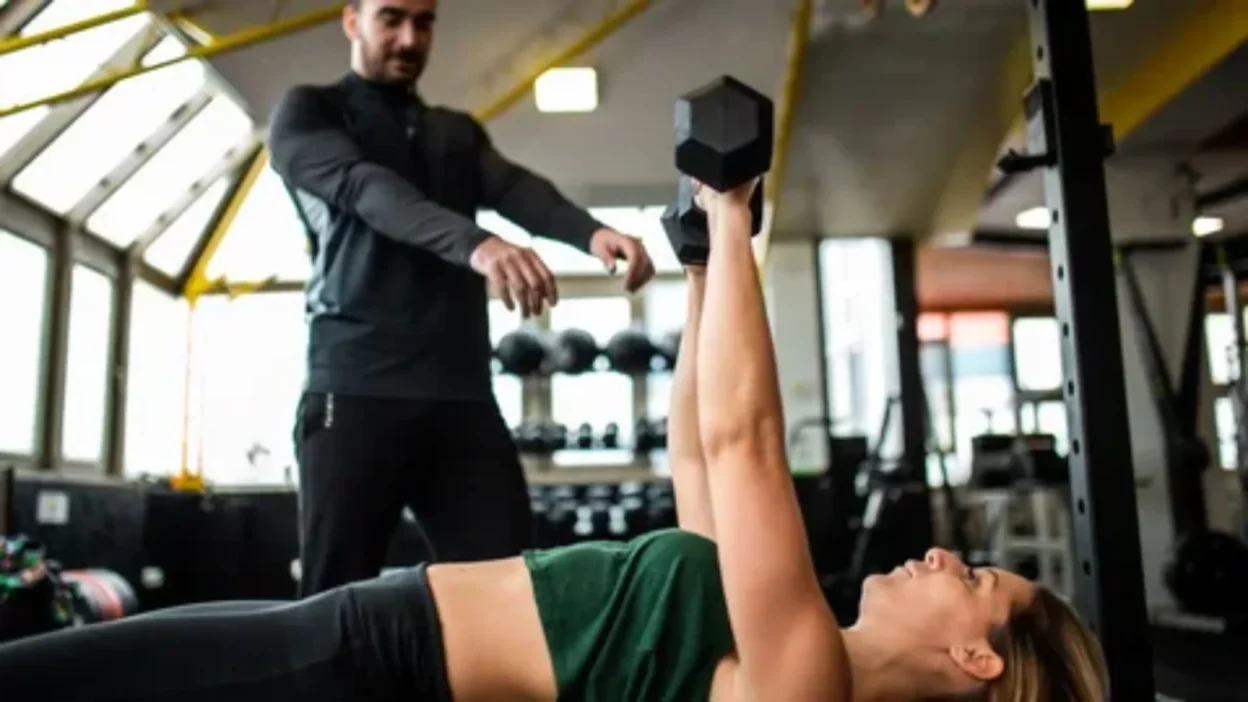
Strength training is one of the best ways to improve your health, build muscle, and feel stronger in daily life. It is not only for bodybuilders or athletes. In fact, beginners, older adults, busy workers, and students can all benefit from strength training.
If you are new to exercise, this guide will help you understand strength training in a simple way. You will learn what it means, why it matters, how to start, and what mistakes to avoid. You will also see real-life examples, practice sentences, and a basic routine you can try.
Sorry Generator
What Is Strength Training?
Strength training is a type of exercise that makes your muscles work against resistance. This resistance can come from:
- Your body weight
- Dumbbells
- Resistance bands
- Barbells
- Gym machines
- Kettlebells
The goal is to make your muscles stronger over time. This process is often called progressive overload, which means you slowly increase the difficulty as your body adapts.
Simple definition
Strength training is exercise that helps your muscles become stronger by working against resistance.
For example:
- Squats use your body weight to train your legs
- Push-ups train your chest, shoulders, and arms
- Dumbbell rows train your back
- Deadlifts train your legs, hips, and back
Strength training is also called:
- resistance training
- weight training
- muscle training
These terms are similar, although people may use them in slightly different ways.
Why Strength Training Is Important
Strength training does much more than improve how you look. It helps your whole body.
Main benefits of strength training
- Builds muscle strength
- Improves balance and posture
- Supports joint health
- Helps protect bones
- Boosts metabolism
- Makes daily activities easier
- Supports fat loss when combined with good nutrition
- Improves confidence and energy
Real-life examples
Here are some everyday benefits:
- Carrying grocery bags feels easier
- Climbing stairs becomes less tiring
- Lifting a backpack or suitcase is safer
- Sitting and standing with good posture feels more natural
- Playing with children becomes easier
Featured snippet example
Why is strength training important?
Strength training is important because it builds muscle, supports healthy bones and joints, improves posture, and makes daily activities easier. It can also increase confidence, support fat loss, and improve long-term health.
Who Should Do Strength Training?
Almost everyone can benefit from strength training when it is done correctly.
It is helpful for:
- Beginners who want better fitness
- Office workers who sit for long hours
- Adults who want more energy
- Older people who want to stay active
- People who want to improve sports performance
- Those who want to support healthy body composition
You do not need to be “fit enough” before you start. Many people begin with simple bodyweight exercises at home.
If you have an injury, a medical condition, or long-term pain, speak to a qualified health professional before starting.
Strength Training for Beginners: How to Start
Starting strength training does not need to be complicated. Many beginners fail because they try to do too much in the first week.
The best approach is simple, safe, and steady.
Step 1: Start with basic movement patterns
Focus on a few important movement types:
| Movement pattern | Example exercise | Main muscles used |
|---|---|---|
| Squat | Bodyweight squat | Legs, glutes |
| Push | Wall push-up or push-up | Chest, shoulders, arms |
| Pull | Dumbbell row or band row | Back, arms |
| Hinge | Hip hinge or deadlift variation | Glutes, hamstrings, back |
| Core | Plank or dead bug | Core muscles |
These basic patterns help you build a strong foundation.
Step 2: Train 2 to 3 times per week
For most beginners, this is enough. Your muscles need time to recover and grow stronger.
A simple schedule:
- Monday: Strength training
- Wednesday: Strength training
- Friday: Strength training
Step 3: Focus on good form first
Before using heavy weights, learn how to move well. Good technique helps you:
- stay safe
- train the correct muscles
- build better habits
Step 4: Keep workouts short and consistent
A 20 to 40-minute session is enough for many beginners. You do not need a perfect workout. You need a workout you can repeat.
Best Strength Training Exercises for Beginners
Here are beginner-friendly exercises that work well at home or in the gym.
Lower body exercises
Bodyweight squat
A squat strengthens your legs and glutes.
How to do it:
- Stand with feet about shoulder-width apart
- Bend your knees and hips
- Lower your body as if sitting in a chair
- Stand back up slowly
Glute bridge
This is great for the hips and glutes.
Step-ups
Use a low step or strong box. Step up, then step down with control.
Upper body exercises
Wall push-up
A great starting point if floor push-ups feel too hard.
Dumbbell shoulder press
This helps build strength in your shoulders and arms.
Dumbbell row
This improves back strength and posture.
Core exercises
Plank
A simple core exercise that also trains stability.
Dead bug
This helps beginners learn core control safely.
Featured snippet example
What are the best strength training exercises for beginners?
The best strength training exercises for beginners include squats, push-ups, rows, glute bridges, planks, and step-ups. These exercises train major muscle groups and help build a strong foundation.
Sample Beginner Strength Training Routine
Here is a simple full-body routine for beginners.
Workout A
- Bodyweight squats – 2 to 3 sets of 8 to 12 reps
- Wall push-ups or incline push-ups – 2 to 3 sets of 8 to 12 reps
- Dumbbell rows – 2 to 3 sets of 8 to 12 reps per side
- Glute bridges – 2 to 3 sets of 10 to 15 reps
- Plank – 2 sets of 20 to 30 seconds
Workout B
- Step-ups – 2 to 3 sets of 8 to 10 reps per leg
- Dumbbell shoulder press – 2 to 3 sets of 8 to 12 reps
- Resistance band rows – 2 to 3 sets of 10 to 12 reps
- Hip hinge drill or light deadlift variation – 2 to 3 sets of 8 to 10 reps
- Dead bug – 2 sets of 8 reps per side
Alternate these workouts across the week.
Example:
- Week 1: A / B / A
- Week 2: B / A / B
Rest 45 to 90 seconds between sets.
How Much Weight Should You Use?
This is a common beginner question.
Use a weight that feels challenging but still allows good form. At the end of a set, you should feel that you could maybe do 1 to 3 more reps with correct technique.
If the weight is too light, you may not improve much. If it is too heavy, your form may break down.
Simple rule
Choose a weight that is:
- not too easy
- not too heavy
- safe and controlled
For bodyweight exercises, you can make them harder later by increasing reps, slowing down the movement, or using a more difficult version.
Common Strength Training Mistakes
Beginners often make the same mistakes. Knowing them early can save time and reduce frustration.
1. Starting too heavy
Many people try to lift heavy weights too soon. This can lead to poor form and possible injury.
2. Skipping warm-ups
A short warm-up prepares your body and mind.
Try:
- arm circles
- bodyweight squats
- light marching
- hip circles
3. Training without a plan
If every workout is random, progress becomes hard to measure.
4. Doing too much too soon
More is not always better. Muscles need recovery.
5. Ignoring technique
Good form matters more than heavy weight, especially at the beginning.
6. Comparing yourself to others
Your progress is your own. Social media can create unrealistic expectations.
Common mistakes example block
Common beginner mistakes in strength training:
lifting too heavy, skipping warm-ups, poor form, inconsistent training, and expecting fast results.
How to Make Progress in Strength Training
Progress does not only mean lifting heavier weights. There are many ways to improve.
You can progress by:
- adding one or two reps
- increasing weight slightly
- improving form
- taking shorter rest times
- doing an extra set
- using a harder exercise variation
Real-life example
In week one, Sara does 8 bodyweight squats with effort.
In week three, she does 12 squats with better balance and control.
That is progress.
In week five, she holds light dumbbells while squatting.
That is also progress.
Strength Training at Home vs. Gym
Both options can work well.
Strength training at home
Good for:
- busy people
- beginners who feel shy in gyms
- those with limited time
Useful equipment:
- resistance bands
- a pair of dumbbells
- a mat
- a sturdy chair or bench
Strength training at the gym
Good for:
- people who want more equipment
- those who enjoy a workout environment
- people with specific muscle or strength goals
There is no single “best” choice. The best option is the one you can follow consistently.
What Should You Eat for Strength Training?
Food supports your training, recovery, and energy.
Basic nutrition tips
- Eat enough protein
- Drink enough water
- Include fruits, vegetables, and whole foods
- Do not skip meals if it leaves you weak or tired
- Sleep well to support recovery
Protein sources include:
- eggs
- chicken
- fish
- yogurt
- beans
- lentils
- tofu
You do not need a complicated diet to begin. Start with balanced meals and regular eating habits.
Practice Sentences for Learners
These simple sentences help non-native English learners understand and use the topic naturally.
- I do strength training three times a week.
- Strength training helps me feel stronger.
- Squats are a good exercise for beginners.
- I use light dumbbells at home.
- Good form is more important than heavy weight.
- I am getting stronger little by little.
- My legs feel tired after squats.
- I need rest days between workouts.
Useful vocabulary
| Word | Simple meaning |
|---|---|
| Strength | The power of your muscles |
| Resistance | Something your muscles push or pull against |
| Reps | How many times you do an exercise |
| Sets | A group of reps |
| Form | The way you do the movement |
| Recovery | Time for your body to rest and improve |
Quick Summary: Key Takeaways
- Strength training means exercising against resistance to build stronger muscles.
- It helps with muscle strength, posture, daily movement, and long-term health.
- Beginners should start with simple full-body exercises.
- Train 2 to 3 times a week with good form.
- Progress slowly and stay consistent.
- Avoid common mistakes like lifting too heavy or skipping rest.
- Home workouts and gym workouts can both work well.
FAQ About Strength Training
What is strength training in simple words?
Strength training is exercise that makes your muscles stronger by using resistance, such as body weight, bands, or weights.
Is strength training good for beginners?
Yes. Strength training is excellent for beginners when they start with simple exercises, proper form, and a manageable schedule.
How many days a week should I do strength training?
Most beginners can start with 2 to 3 days a week. This gives enough time for both exercise and recovery.
Can I do strength training at home?
Yes. You can do strength training at home with bodyweight exercises, resistance bands, or dumbbells.
Does strength training help with weight loss?
It can support weight loss by helping you build muscle and stay active. It works best with balanced nutrition and regular exercise.
How long does it take to see results from strength training?
Some people feel stronger in a few weeks. Visible changes may take longer, depending on training, food, sleep, and consistency.
What is the best age to start strength training?
There is no single best age. Many people can start safely when the exercises match their age, ability, and health needs.
Do I need heavy weights to get stronger?
No. Beginners can get stronger with bodyweight exercises, resistance bands, or light weights if they train consistently.
Schema-Ready FAQ Content
Question: What is strength training?
Answer: Strength training is a form of exercise that improves muscle strength by making the body work against resistance like weights, bands, machines, or body weight.
Question: How often should beginners do strength training?
Answer: Beginners should usually do strength training 2 to 3 times per week with rest days between sessions.
Question: Can I start strength training at home?
Answer: Yes. Many beginners start strength training at home using bodyweight exercises, resistance bands, or dumbbells.
Question: What are the best beginner strength training exercises?
Answer: Good beginner exercises include squats, push-ups, rows, glute bridges, step-ups, and planks.
Question: Why is strength training important?
Answer: Strength training helps build muscle, improve posture, support joints and bones, and make daily activities easier.
Final Thoughts
Strength training does not need to be confusing or scary. Start small, use simple exercises, and focus on consistency. Even short workouts can make a real difference over time.
The most important step is to begin and keep going. Practice regularly, learn proper form, and explore more fitness and health topics as your confidence grows.